
Intro
Hydration is a practical form of support during labor, birth, and the early postpartum period. Adequate fluid intake can help maintain circulating volume, support thermoregulation, and reduce the physical burden of dehydration when sweating, vomiting, diarrhea, prolonged labor, or limited oral intake is present. Yet not every drink marketed as hydrating is appropriate, and some supplements may introduce excessive sugar, caffeine, sodium, herbs, or other ingredients that are poorly studied around birth.
This guide explains how foods, beverages, and oral electrolyte solutions may fit into a birth hydration plan, what commonly used products are best limited or avoided, and when professional assessment is needed. Individual recommendations depend on gestational age, medical history, labor circumstances, kidney and cardiac function, blood pressure, medications, and whether oral intake is clinically permitted.
Highlights
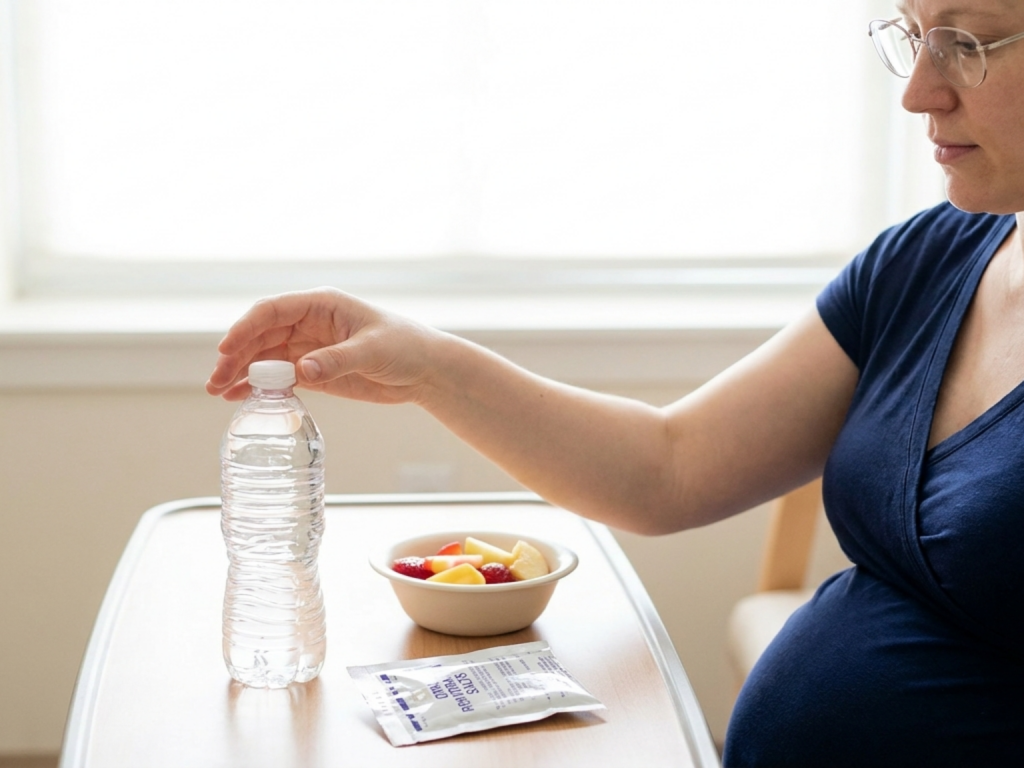
Water and ordinary fluid-containing foods are often useful for routine hydration when oral intake is allowed.
Oral rehydration solutions contain a carefully balanced combination of glucose and electrolytes and are different from many sports drinks or wellness beverages.
Alcohol, excess caffeine, highly carbonated drinks, and very sugary beverages are poor choices when the goal is effective rehydration.
Persistent vomiting, confusion, fainting, reduced urination, or inability to drink requires prompt clinical assessment rather than self-treatment.
Hydration around labor, birth, and early recovery
Fluid needs are not identical throughout the perinatal period. In early labor, a person who is clinically well and permitted to drink may tolerate small, frequent amounts of water or other suitable fluids. As labor progresses, nausea, vomiting, sweating, rapid breathing, fever, or prolonged exertion can increase losses. After birth, hydration remains relevant because blood loss, perspiration, breastfeeding, sleep disruption, and limited access to drinks may all affect intake.
Hydration is more than simply consuming a large volume of water. The body maintains plasma osmolality and extracellular volume through coordinated regulation of water and electrolytes, particularly sodium. When fluid losses include gastrointestinal contents or substantial sweat, replacing only water may not fully address the loss. Conversely, excessive plain-water intake over a short period can contribute to dilutional hyponatremia, an uncommon but potentially serious electrolyte disturbance.
Birth plans should therefore describe practical access to drinks rather than prescribe a rigid target. A cup, bottle, straw, or support person can make regular sipping easier. If an epidural, cesarean birth, induction, intravenous medication, severe preeclampsia, significant hemorrhage, or another complication is present, the clinical team may modify oral intake and fluid management. IV fluids during labor may be appropriate in selected circumstances, but they are not interchangeable with routine drinking and can also require monitoring for fluid overload or electrolyte abnormalities.
Foods and ordinary beverages that can support fluid intake
For routine hydration, water is a reasonable foundation when a clinician has not restricted oral fluids. Many people find cool water, ice chips, or diluted non-caffeinated beverages easier to tolerate during contractions. The most useful choice is often the one that can be consumed comfortably and consistently, rather than a highly marketed product.
Fluid-containing foods can supplement drinks. Examples include soups with a moderate sodium content, yogurt, milk or fortified alternatives, smoothies, citrus and other fruits, melon, grapes, cucumber, tomatoes, and cooked vegetables. These foods also provide carbohydrate, protein, potassium, and other nutrients, although their electrolyte composition is variable and they should not be considered a substitute for a formulated oral rehydration solution when clinically significant dehydration is suspected.
During labor, smaller portions may be more practical than a full meal. Easily tolerated options can include fruit, applesauce, toast, crackers, yogurt, or a simple smoothie, subject to the person’s care plan and aspiration-risk assessment. Foods that are very fatty, heavily spiced, or unusually high in fiber may worsen nausea or gastrointestinal discomfort for some people. There is no requirement to consume a particular “birth food,” and cultural preferences can be incorporated safely in discussion with the maternity team.
After birth, pair fluids with regular meals and snacks when possible. This supports recovery more effectively than relying on sweet drinks alone. People who are breastfeeding may notice increased thirst, but thirst is not a precise prescription for fluid volume; drinking to comfort and avoiding forced overhydration is generally more sensible unless a clinician advises otherwise.
Oral electrolyte solutions: when they are different
Oral electrolyte solutions, sometimes called oral rehydration solutions or ORS, are designed to promote intestinal absorption of sodium and water. Their effectiveness depends on a relatively precise balance of glucose and electrolytes. Glucose facilitates sodium transport across the intestinal epithelium, and water follows osmotically. This mechanism is why a properly formulated ORS can be more effective for dehydration caused by diarrhea or vomiting than many ordinary beverages.
Commercial products vary substantially. A pharmacy oral rehydration product prepared according to its label is generally preferable to improvising a concentrated mixture. Powder should be dissolved in the specified volume of safe water; adding extra powder, sugar, salt, juice, or ice can change the intended osmolality and electrolyte concentration. Prepared solution should be stored and discarded according to product instructions, because contamination can occur.
ORS is not automatically needed by every person in labor. It may be considered when there are clinically meaningful gastrointestinal losses or concern about dehydration and the person can safely drink, but the choice should be discussed with a midwife, obstetric clinician, pharmacist, or other qualified professional. People with renal disease, heart failure, severe hypertension, diabetes, or disorders affecting sodium balance may need individualized advice because fluid and electrolyte loads are not universally benign.
In severe dehydration, shock, altered mental status, or inability to drink, oral therapy may be insufficient. The priority is urgent assessment, laboratory evaluation when indicated, and medically supervised treatment. An electrolyte beverage should never delay emergency care.
Hydration supplements and ingredients requiring caution
The word “supplement” covers a wide range of products, including electrolyte powders, hydration tablets, effervescent tablets, protein drinks, herbal teas, adaptogen blends, vitamins, and powdered drink mixes. Product labels may not communicate the clinical relevance of total sodium, potassium, magnesium, carbohydrate, caffeine, or stimulant content. Multi-ingredient products can also contain botanicals with limited pregnancy, labor, lactation, or neonatal safety data.
Electrolyte powders may be useful in selected situations, but more is not better. High sodium loads may be inappropriate for people with hypertension, preeclampsia, kidney disease, or certain cardiovascular conditions. High potassium or magnesium products can be hazardous in renal impairment or when combined with medications. Magnesium-containing products may cause diarrhea, which can worsen fluid loss, while concentrated carbohydrate products may aggravate nausea or produce large glucose excursions.
Herbal “labor tonics,” raspberry-leaf products, detox drinks, laxative teas, and proprietary blends deserve particular caution. “Natural” does not establish safety, purity, dose consistency, or absence of pharmacologic effects. Some ingredients may affect uterine activity, blood pressure, coagulation, sedation, or gastrointestinal motility. Avoid starting a new supplement late in pregnancy, during labor, or while breastfeeding without explicit review by a maternity clinician or pharmacist.
Read labels for serving size and cumulative exposure. If a product contains several servings per container, a person may unintentionally exceed the stated amount. Keep the packaging available for the care team if symptoms develop. Supplements should not replace prescribed treatment, blood products, IV therapy, or evaluation of an underlying cause of fluid loss.
Beverages and foods to avoid or limit
Several popular beverages are poorly suited to treating dehydration. Alcohol should be avoided during pregnancy and around birth; it is not a rehydration strategy and may impair judgment, sleep, and safe caregiving. Caffeinated coffee, energy drinks, highly caffeinated teas, and stimulant-containing powders should be limited according to pregnancy and postpartum guidance. Caffeine can contribute to palpitations, anxiety, gastrointestinal symptoms, and sleep disruption, while energy drinks may combine caffeine with taurine, guarana, sugars, and other stimulants.
Soft drinks, sweetened iced teas, and very sugary juices can provide fluid but may have a high osmotic load and little useful electrolyte balance. They can worsen gastrointestinal symptoms in some settings and should not be relied on for rehydration. Carbonated beverages may increase bloating, belching, or nausea. The CDC and clinical reviews specifically caution against using juice, soft drinks, and sports drinks as substitutes for oral rehydration salts when treating dehydration.
Sports drinks are formulated for exercise-related carbohydrate and electrolyte replacement, not necessarily for vomiting or diarrhea, and their sodium-to-glucose balance differs from medical ORS. Chicken broth may contain sodium and fluid, but its composition is inconsistent and it does not provide the standardized glucose-electrolyte formulation used in ORS. Very salty foods can intensify thirst and may be unsuitable when sodium restriction or hypertensive disease is relevant.
Avoid unpasteurized juices or dairy products, raw-egg drinks, and products with uncertain food-safety handling. During labor or postpartum recovery, foodborne illness can rapidly compound fluid loss. Refrigerated beverages should be stored safely, and shared bottles or cups should be avoided when infection control is a concern.
Recognizing dehydration and deciding when to seek care
Possible dehydration features include intense thirst, dry mouth, headache, weakness, dizziness on standing, reduced urination, dark urine, tachycardia, and worsening fatigue. These findings are nonspecific and can overlap with anemia, infection, hemorrhage, medication effects, hypertensive disease, hypoglycemia, or other conditions associated with birth. Urine color alone cannot determine hydration status, particularly when vitamins, medications, or urinary disease affect its appearance.
Contact the maternity team promptly if vomiting prevents fluid intake, diarrhea continues, urination becomes markedly reduced, dizziness persists, or oral fluids repeatedly trigger vomiting. Seek emergency care for fainting, confusion, severe weakness, chest pain, shortness of breath, inability to stay awake, severe abdominal pain, heavy postpartum bleeding, a racing heartbeat that does not settle, or signs of shock. Fever or suspected infection also warrants clinical advice rather than reliance on a supplement.
After birth, urgent review is especially important when fluid-loss symptoms occur with heavy bleeding, severe headache, visual changes, right-upper-quadrant pain, sudden swelling, or high blood pressure. These may indicate postpartum complications that hydration alone cannot correct. If a newborn is involved, feeding difficulty, lethargy, markedly fewer wet diapers, or other concerns should be discussed with the newborn’s clinician.
A useful preparation step is to identify who will provide individualized advice, where oral rehydration products are available, and which ingredients or medications should be avoided. Keeping water and suitable snacks within reach can support comfort, but professional assessment remains the safest approach when symptoms are significant, persistent, or atypical.
When hydration needs medical assessment
- Inability to keep fluids down or inability to drink safely
- Fainting, confusion, severe weakness, or unusual drowsiness
- Markedly reduced urination, rapid heartbeat, or signs of shock
- Heavy postpartum bleeding, fever, chest pain, or shortness of breath
- Severe headache, visual changes, or high blood pressure after birth
- Kidney, heart, hypertensive, or electrolyte disorders requiring individualized fluid advice
Tools & Assistance
- A labeled water bottle or cup with a straw for frequent small sips
- A pharmacy-supplied oral rehydration solution, used according to its preparation instructions
- A written list of medications, supplements, allergies, and relevant medical conditions
- A maternity triage number, midwife contact, or local urgent-care pathway
- A simple record of vomiting, diarrhea, urination, and fluid tolerance when illness is present
FAQ
Is water enough during labor?
Often it is suitable for routine intake when oral fluids are allowed and no substantial fluid loss is occurring. If vomiting, diarrhea, fever, or prolonged exertion is present, ask the clinical team whether an oral rehydration solution or another plan is more appropriate.
Can I drink a sports drink instead of an oral rehydration solution?
Sports drinks are not equivalent to medical oral rehydration solutions. Their sugar and electrolyte concentrations are designed for exercise and vary by product, so they should not be relied on to treat clinically significant dehydration.
Are herbal hydration teas safe before or after birth?
Safety depends on the specific ingredients, dose, gestational stage, medications, and breastfeeding status. Avoid proprietary or labor-promoting blends unless a qualified maternity clinician or pharmacist has reviewed them.
Should I force myself to drink large amounts of water?
No. Excessive rapid water intake can disturb sodium balance. When oral intake is allowed, modest, regular drinking guided by comfort and clinical advice is generally safer than forced overhydration.
What if I cannot drink because of vomiting or a procedure?
Contact the maternity team. Inability to drink may require assessment and, depending on the cause and severity, supervised antiemetic treatment, laboratory testing, or intravenous fluids.
Sources
- PubMed — Oral Electrolyte Solutions
- Centers for Disease Control and Prevention — Rehydration Therapy
- National Center for Biotechnology Information — Adult Dehydration - StatPearls
Disclaimer
This article provides general educational information and does not diagnose, treat, or replace advice from a qualified maternity clinician. Seek prompt professional or emergency care for severe, persistent, or concerning symptoms.
















Please log in to leave a comment.