
Intro
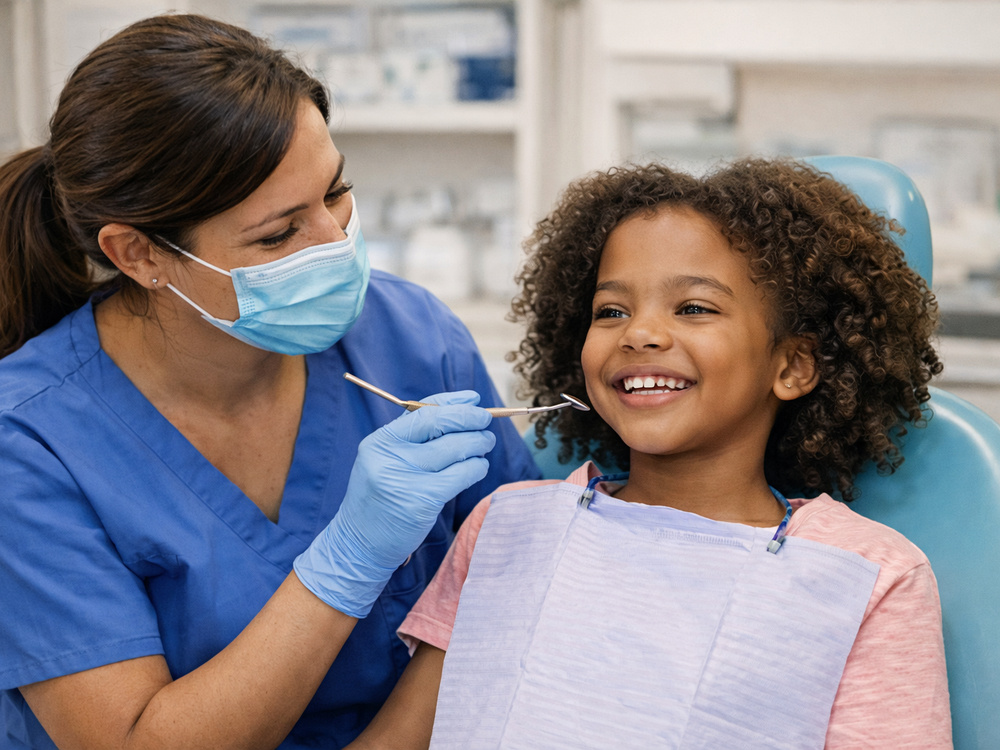
Regular dental visits help prevent cavities, infections, and long-term oral health problems in children. In the United States, there isn’t one single nationwide “child dental benefit,” but many families can get help through Medicaid, CHIP (Children’s Health Insurance Program), and Marketplace plans. Children’s dental coverage may be included in a health plan (or offered as a separate dental plan). If you don’t have insurance, community health centers and dental schools can often provide lower-cost care.
Highlights
- States must provide dental benefits for children covered by Medicaid and CHIP (details vary by state and plan).
- For children in Medicaid, EPSDT supports access to preventive and medically necessary care, including dental services.
- In the Marketplace, pediatric dental coverage is an Essential Health Benefit—it must be available for children, either embedded in a plan or as a stand-alone dental plan.
- You’ll usually save the most money by choosing an in-network dentist who accepts your plan.
- Many plans cover preventive care (checkups/cleanings), but coverage for major treatments can vary.
- Orthodontics (braces) and cosmetic dentistry are often limited or only covered when medically necessary, depending on the program and state rules.
Which U.S. programs help with children’s dental care
In the U.S., families usually get dental help through four main paths:
- Medicaid (for children)
A public health insurance program for low-income households. Children enrolled in Medicaid receive dental benefits, with specifics depending on the state and managed care plan. - CHIP (Children’s Health Insurance Program)
Designed for families who earn too much for Medicaid but still need help. CHIP includes pediatric dental coverage, with state-specific rules. - Marketplace (Health Insurance Marketplace / HealthCare.gov plans)
Pediatric dental coverage must be available for children under 19, either:
- built into a medical plan, or
- offered as a separate stand-alone dental plan.
Whether you must purchase it depends on your options and situation.
- If you’re uninsured or underinsured
- Community health centers (often offer sliding-fee discounts based on income)
- Dental schools (treatment by supervised students; typically lower cost)
Medicaid/CHIP eligibility and how it works
Eligibility rules differ by state, but generally depend on:
- household income,
- child’s age,
- residency and documentation/immigration rules (state-specific).
A key concept in Medicaid for children is EPSDT (Early and Periodic Screening, Diagnostic, and Treatment). In practice, this means children should have access to preventive services and medically necessary treatment—often including dental evaluation and care.
Practical tip: once your child is enrolled, confirm:
- which plan/network your child is in,
- which dentists are in-network,
- whether any procedures require prior authorization.
Medicaid/CHIP vs Marketplace: what to choose
If your child is eligible for Medicaid or CHIP
This is often the most affordable route. Many families pay little to nothing for preventive care, and copays (if any) are usually limited—but it varies by state and plan.
If you’re not eligible for Medicaid/CHIP
Marketplace plans may be the next best option. Pediatric dental must be available, but you’ll want to check:
- Is dental embedded in the plan, or do you need a separate dental plan?
- What are the premiums, deductibles, and copays for dental services?
- Is your preferred dentist in the plan’s network?
What’s typically covered (and where costs happen)
Coverage varies by state and plan, but pediatric dental benefits commonly include:
- exams and routine checkups
- cleanings
- X-rays
- fluoride treatments (often)
- sealants (often)
- fillings and basic restorative work
Where out-of-pocket costs can happen:
- the dentist is out of network
- you have a deductible (more common with private/Marketplace dental)
- a service needs prior authorization
- orthodontics/braces are considered non-covered unless medically necessary
- coverage limits (frequency caps, annual maximums on some plans)
Before treatment starts, ask for:
- a treatment plan,
- estimated covered amount,
- your estimated out-of-pocket cost.
How to find a dentist and avoid surprise bills
- Find an in-network dentist
- For Medicaid/CHIP, use your state plan directory or official find-a-dentist tools tied to your plan.
- For Marketplace dental plans, use the insurer’s provider directory.
- Confirm coverage before the appointment
Ask:
- “Do you accept my exact plan (name)?”
- “Are you in-network?”
- “Will there be any copays/deductible for this visit?”
- “Does this procedure require prior authorization?”
- If you don’t have insurance
Try:
- nearby community health centers (sliding-fee)
- dental school clinics
- local public health dental programs (county/city resources)
When to call a doctor / urgent care (clear red flags)
Seek urgent care (and consider emergency services/911 if severe) if your child has:
- fast-spreading swelling of the face, cheek, jaw, or neck
- fever plus severe tooth pain or signs of spreading infection
- trouble breathing or swallowing, drooling, or swelling near the throat
- inability to open the mouth (trismus)
- significant dental trauma with suspected jaw injury or uncontrolled bleeding
- bleeding that won’t stop after injury or a dental procedure
Tools & Assistance
- Your state Medicaid office or managed care plan member services (plan rules, directories)
- CHIP program information for your state (eligibility + enrollment)
- Marketplace/HealthCare.gov plan details (embedded vs stand-alone dental options)
- Community health center locator (sliding-fee clinics)
- Dental school clinics in your area (reduced-cost care)
FAQ
Q1: Does Medicaid cover dental for kids?
A: Yes—states must provide dental benefits for children enrolled in Medicaid, but details vary by state and plan.
Q2: What is CHIP?
A: CHIP is insurance for children in families who earn too much for Medicaid but still qualify for assistance. It includes pediatric dental coverage.
Q3: What is EPSDT?
A: EPSDT is a Medicaid benefit for children that supports access to preventive screening and medically necessary treatment—often including dental services.
Q4: Are braces covered?
A: Sometimes, but often only when medically necessary and depending on state rules and the plan.
Q5: How do I find a dentist who accepts my coverage?
A: Use your plan’s provider directory and confirm the dentist is in-network before scheduling.
Q6: What if we don’t have dental insurance?
A: Try community health centers with sliding-fee discounts or dental school clinics, which can be significantly cheaper.
Sources / references (3–5)
- Medicaid.gov — Dental Care (children’s dental benefits)
- Medicaid.gov — EPSDT overview
- HealthCare.gov — Dental coverage in the Marketplace
- InsureKidsNow.gov — Find a dentist / coverage information
- HHS resources — finding low-cost dental care (community clinics, dental schools)
Disclaimer (1–2 lines)
This article is for informational purposes only and isn’t a substitute for medical or dental advice. If your child has severe swelling, fever, breathing/swallowing difficulty, or trauma, seek urgent medical care immediately.

















Please log in to leave a comment.