
Intro
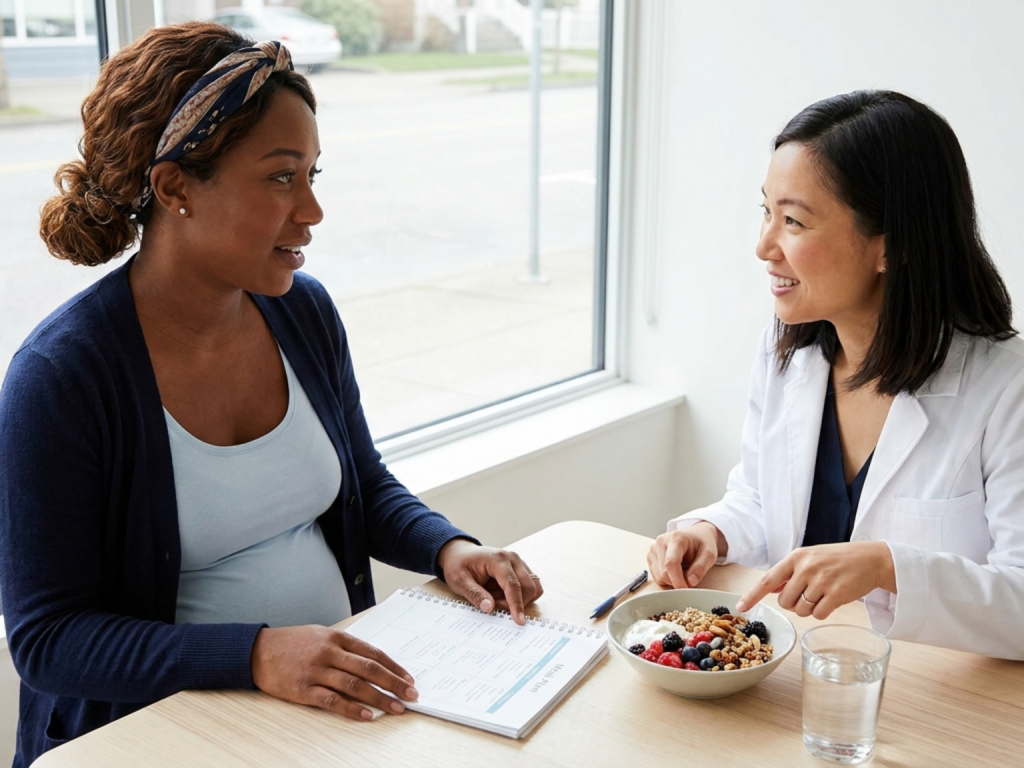
Planning for weight gain in pregnancy can feel emotionally loaded, especially if nausea, food aversions, prior weight concerns, or a history of disordered eating are part of your story. A supportive plan focuses less on “eating perfectly” and more on steady nourishment, adequate energy, and enough protein, micronutrients, and fluids to support maternal physiology and fetal growth.
Highlights
Healthy weight gain is usually gradual and individualized; rapid or inadequate gain should be discussed with a maternity clinician.
Nutrient-dense foods, frequent meals, and calorie-rich additions can increase intake without relying on sugary drinks or low-nutrient snacks.
Pregnancy-related nausea, reflux, constipation, and early satiety often require practical meal timing adjustments rather than willpower.
A registered dietitian, midwife, obstetrician, or maternal-fetal medicine clinician can tailor advice for underweight status, twins, diabetes, hyperemesis, gastrointestinal disease, or eating disorder history.
Start with individualized pregnancy weight-gain targets
Weight gain diet planning in pregnancy begins with context. A person who enters pregnancy with a lower body mass index, a twin pregnancy, persistent nausea, gastrointestinal disease, food insecurity, or a high activity level may need a different strategy from someone with average pre-pregnancy weight and uncomplicated appetite. Your clinician may use pre-pregnancy BMI, gestational age, fetal growth, edema, medical history, and dietary pattern to interpret whether weight gain is appropriate.
It is also helpful to distinguish maternal weight gain from fat gain alone. Pregnancy weight reflects fetal tissue, placenta, amniotic fluid, uterine and breast tissue, maternal blood volume expansion, extracellular fluid, and energy stores. This is why a healthy pregnancy weight-gain trajectory is not expected to be perfectly linear. Many people gain little in the first trimester because of nausea or aversions, then gain more consistently in the second and third trimesters.
If you were underweight before conception or have lost weight early in pregnancy, ask for individualized preconception nutrition counseling or prenatal nutrition support rather than simply trying to “eat more” without structure. A registered dietitian can estimate calorie and protein needs, screen for micronutrient gaps, and adapt the plan around cultural foods, budget, schedule, and symptoms. If weighing yourself increases anxiety or eating disorder thoughts, discuss alternatives such as clinician-only weights or symptom-focused nutrition goals.
Build meals around energy density and nutrient density
For healthy weight gain, the goal is usually a modest, sustainable calorie surplus, not a sudden high-sugar diet. General weight-gain guidance often suggests adding about 300 to 500 extra calories per day for adults who need to gain weight, but pregnancy needs depend on trimester, pre-pregnancy status, and clinical circumstances. Your maternity team can help align this with trimester calorie needs and fetal growth monitoring.
Energy-dense foods provide more calories in a smaller volume, which is useful when pregnancy causes early satiety. Nutrient-dense foods also deliver protein, iron, folate, calcium, iodine, choline, zinc, omega-3 fats, and other nutrients relevant to pregnancy. Practical additions include olive oil, avocado, nut or seed butters, full-fat yogurt, cheese, hummus, tahini, ground nuts, powdered milk, beans, eggs, tofu, lentils, and lower-mercury seafood choices if appropriate for your diet.
- Add olive oil, avocado, cheese, or tahini to grain bowls, soups, pasta, and roasted vegetables.
- Choose full-fat dairy or fortified soy alternatives if tolerated and medically appropriate.
- Use calorie-rich toppings such as nut butter, granola, seeds, dried fruit, or yogurt on oatmeal and smoothies.
- Pair carbohydrates with protein and fat: toast with eggs, rice with beans and avocado, or potatoes with Greek yogurt and cheese.
- Keep convenient snacks visible: trail mix, yogurt, hard-boiled eggs, hummus with pita, cheese and crackers, or fortified cereal with milk.
Sugary drinks, sweets, and fried foods can add calories quickly, but relying on them may worsen reflux, blood glucose variability, dental risk, or micronutrient gaps. They do not need to be forbidden, but they should not displace the foods that support placental function, blood volume expansion, and fetal tissue growth.
Use meal timing to work with pregnancy symptoms
Many pregnant people cannot comfortably meet energy needs in three large meals. Smaller, more frequent meals are often easier, especially with nausea, reflux, constipation, or shortness of breath later in pregnancy. Eating five to six times per day may reduce the pressure to “finish a big plate” and can help stabilize intake when appetite fluctuates.
If nausea is strongest in the morning, try a bland carbohydrate before getting out of bed, then add protein once tolerated. If reflux is prominent, smaller meals, slower eating, and avoiding lying down soon after meals may help. If early fullness is the main barrier, consider drinking most fluids between meals rather than immediately before or during meals, since large fluid volumes can reduce appetite. Smoothies or shakes may be useful when chewing feels exhausting or solid foods are unappealing.
A balanced weight-gain smoothie might include milk or fortified soy milk, Greek yogurt or silken tofu, banana, oats, nut butter, and ground flaxseed. For a savory option, blended soups can be enriched with olive oil, lentils, cream, coconut milk, cheese, or powdered milk. These strategies can increase energy and protein while preserving nutritional quality.
Food safety remains essential in pregnancy. Avoid unpasteurized dairy, high-risk raw foods, and unsafe seafood choices; reheat leftovers thoroughly and follow local guidance for listeria and mercury risk. If nausea and vomiting are severe, if you cannot keep fluids down, or if urine becomes very dark or infrequent, seek medical advice promptly because dehydration and hyperemesis gravidarum require clinical care.
Prioritize protein and key micronutrients
Protein supports expansion of maternal tissues, fetal growth, and placental development. A practical planning method is to include a protein source at every meal and most snacks. Options include eggs, poultry, meat, fish that is safe in pregnancy, dairy, soy foods, beans, lentils, peas, nuts, seeds, and protein-enriched grains. People following vegetarian or vegan diets can gain weight well, but vegan preconception nutrition planning and prenatal follow-up are especially important for vitamin B12, iodine, iron, calcium, vitamin D, omega-3 fats, and choline.
Iron needs rise in pregnancy because of increased red blood cell mass and fetal demands. Iron-rich foods include meat, poultry, seafood, beans, lentils, tofu, spinach, fortified cereals, and pumpkin seeds. Pairing plant iron with vitamin C-rich foods such as citrus, berries, peppers, or tomatoes improves absorption. Calcium and vitamin D support skeletal health; iodine supports thyroid hormone production; folate supports neural tube development; and choline contributes to fetal brain and nervous system development.
A prenatal supplement can help cover predictable gaps, but it does not replace enough food energy. If swallowing prenatal vitamins worsens nausea, ask your clinician about timing, formulation, or temporary alternatives. Do not add high-dose supplements, herbal products, or protein powders without professional input, especially in pregnancy, because quality, contaminants, vitamin A content, and medication interactions can matter.
For people with diabetes, kidney disease, bariatric surgery history, inflammatory bowel disease, celiac disease, or malabsorption, standard weight-gain advice may be unsafe or insufficient. These conditions often require lab monitoring, specialized supplementation, or modified macronutrient targets.
Create a realistic day plan
A weight-gain plan works best when it fits real life. Start by identifying the meals you already tolerate, then enrich them rather than replacing everything. If breakfast is toast, add avocado, egg, cheese, nut butter, or full-fat yogurt on the side. If lunch is soup, add lentils, cream, olive oil, rice, or shredded chicken. If dinner is pasta, add olive oil, beans, meat sauce, cheese, or tofu. Small changes repeated daily can create a meaningful energy surplus.
One example day might include oatmeal made with milk, topped with nut butter, banana, and seeds; a mid-morning yogurt with granola; a lunch of rice, beans, avocado, vegetables, and cheese; an afternoon smoothie; dinner with salmon or tofu, potatoes, roasted vegetables, and olive oil; and an evening snack such as cereal with milk or toast with hummus. This is only an illustration, not a prescription. Your plan should reflect allergies, food access, cultural preferences, medical needs, and appetite.
Batch preparation can reduce decision fatigue. Cook extra rice, pasta, lentils, roasted vegetables, or shredded chicken. Keep high-calorie add-ons available: olive oil near the stove, nut butter near breakfast foods, cheese or hummus in the refrigerator, and trail mix in a bag. If you work shifts or have long appointments, portable snacks can prevent long fasting periods that worsen nausea or reduce total intake.
Strength training or pregnancy-appropriate resistance exercise may support muscle mass, appetite, posture, and glucose regulation when cleared by your clinician. Exercise should not be used to “earn” food, and anyone with bleeding, cervical concerns, severe anemia, cardiopulmonary disease, or other obstetric complications should follow individualized activity guidance.
Monitor progress without losing compassion
Monitoring should help you and your care team respond early, not create shame. Weight is one data point. Clinicians also consider fundal height, fetal anatomy and growth scans when indicated, blood pressure, edema, symptoms, dietary intake, and laboratory results. If weight gain is lower than expected but fetal growth and maternal status are reassuring, the plan may be adjusted gradually. If there is weight loss, poor fetal growth, dehydration, or signs of malnutrition, more urgent support may be needed.
Red flags include ongoing inability to eat enough, vomiting multiple times per day, dizziness or fainting, palpitations, severe food restriction, fear of weight gain that interferes with eating, rapid swelling, severe headache, visual symptoms, or abdominal pain. Some of these may indicate conditions unrelated to diet and require medical evaluation. Avoid self-diagnosis or aggressive calorie loading without assessment.
Emotional safety matters. Pregnancy can activate body-image distress, especially for people with prior dieting, trauma, infertility treatment, athletic pressure, or eating disorder history before pregnancy. You deserve care that is respectful and weight-neutral while still medically attentive. Ask for clear, nonjudgmental goals such as “add one fortified snack daily,” “include protein at breakfast,” or “schedule a dietitian visit,” rather than vague instructions to gain weight.
If food insecurity is limiting intake, tell your clinician directly if you can. Many clinics can connect patients with nutrition assistance programs, social work, community food resources, or pregnancy-specific support. Adequate nutrition is a medical need, not a personal failure.
When to seek medical advice promptly
- Persistent vomiting, inability to keep fluids down, dark urine, or signs of dehydration.
- Unintentional weight loss after the first trimester or very low intake for more than a few days.
- Rapid swelling, severe headache, visual changes, chest pain, or shortness of breath.
- Known eating disorder history, current food restriction, or intense fear of pregnancy weight gain.
- Diabetes, kidney disease, bariatric surgery history, multiple pregnancy, or suspected fetal growth restriction.
Tools & Assistance
- Ask your obstetric clinician or midwife for a personalized weight-gain target.
- Request referral to a registered dietitian with prenatal nutrition experience.
- Keep a short symptom and meal-timing log for one week before your appointment.
- Use nutrient-dense snacks and calorie-rich add-ons rather than relying only on sweets.
- Seek local food assistance, social work, or community nutrition support if food access is a barrier.
FAQ
How fast should I gain weight in pregnancy?
It depends on pre-pregnancy BMI, gestational age, singleton versus multiple pregnancy, and clinical factors. Your maternity team can interpret your pregnancy weight-gain trajectory alongside fetal growth and symptoms.
What if I cannot eat large meals?
Try smaller meals and snacks every few hours, use calorie-dense additions, and consider smoothies or fortified soups. If poor intake persists, ask for medical and dietitian support.
Are high-calorie sweets the easiest solution?
They can add calories, but relying on them may leave protein and micronutrient gaps. A healthier strategy emphasizes full-fat dairy or fortified alternatives, nuts, seeds, oils, legumes, grains, eggs, tofu, and safe protein foods.
Can I use protein powder while pregnant?
Do not start protein powders or supplement shakes without discussing them with a clinician or dietitian. Product quality, contaminants, vitamin levels, and medical conditions can affect safety.
Should I exercise if I am trying to gain weight?
If your clinician says exercise is safe, pregnancy-appropriate resistance activity may support muscle mass and appetite. Avoid using exercise to compensate for eating, and follow individualized advice for obstetric complications.
Sources
- NHS — Healthy ways to gain weight
- Mayo Clinic — Underweight? See how to add pounds healthfully
- EatRight.org — Healthy Weight Gain
Disclaimer
This article is for general educational purposes and is not a diagnosis or individualized nutrition prescription. Always consult your obstetric clinician, midwife, or registered dietitian for pregnancy-specific advice.
















Please log in to leave a comment.