

Intro
Choosing products for teenagers is not only a matter of taste, trends, or price. Adolescence is a developmental period marked by increasing autonomy, identity formation, peer influence, rapid physical change, and heightened exposure to digital marketing. A supportive approach respects a teenager’s growing decision-making capacity while still protecting safety, health, privacy, and family finances.
This article is written for medically literate readers who want a practical framework rather than a rigid shopping list. It focuses on how to evaluate teen products across daily life, including food, personal care, technology, sports, school, sleep, and wellness-related items, while knowing when professional guidance is appropriate.
Highlights
Teenagers are active consumers, not passive recipients. Their choices are shaped by identity, peers, social media, brand loyalty, price, and perceived values.
Safety screening should include physical injury risk, chemical exposure, digital privacy, body image effects, and the possibility that a product makes unverified health claims.
The most effective product conversations are collaborative. Teens are more likely to accept limits when adults explain the reasoning and invite comparison, budgeting, and critical evaluation.
Food, supplement, skin care, sleep, and fitness products deserve extra caution because marketing can blur the line between lifestyle preference and health intervention.
Start with adolescent development, not just the product
Teen product choices often carry more emotional meaning than adult purchases. A backpack, phone case, snack, acne product, sports drink, or pair of headphones may signal belonging, competence, maturity, or independence. Research in consumer behavior describes adolescence as a period when brand awareness, product evaluation skills, and consumer socialization become more sophisticated. Teens may also influence household purchases, especially in categories such as food, technology, entertainment, clothing, and personal care.
This does not mean adults should surrender product decisions to marketing pressure. It means the conversation works better when it acknowledges the developmental task underneath the request. A teenager may be asking, “Can I choose for myself?” or “Will I be accepted by my peers?” rather than simply demanding an item. A supportive response separates the valid need for autonomy from the adult responsibility to assess safety and cost.
A useful framework is to ask three questions: Does the product support a real function? Does it fit the teen’s developmental stage, health needs, and family values? Does it introduce avoidable risk? This approach is consistent with age-based child product choices: the right item for a 13-year-old may be inadequate, embarrassing, or unnecessarily restrictive for a 17-year-old, while a product designed for adults may exceed a younger teen’s needs or expose them to adult-oriented content, substances, or claims.
Evaluate safety across physical, chemical, digital, and emotional domains
For teenagers, safety is broader than choking hazards or sharp edges. Physical safety still matters, especially for sports equipment, e-bikes, scooters, helmets, resistance bands, cosmetic devices, piercing tools, and bedroom furniture. Check product recalls, age and weight limits, certification marks where relevant, and whether the item will be used in the real environment of the teen’s life. For example, a helmet that is technically appropriate but uncomfortable is less protective if it sits unused.
Chemical and dermatologic safety also deserve attention. Teens may experiment with fragrances, hair dyes, acne treatments, exfoliating acids, whitening products, adhesives, nail products, and cosmetics. Labels such as “clean,” “natural,” or “dermatologist inspired” do not guarantee low irritancy or medical appropriateness. Products used on inflamed skin, mucous membranes, or near the eyes require particular caution. A clinician or pharmacist can help if a teen has eczema, acne requiring treatment, allergies, photosensitivity, or is using prescription medications.
Digital safety is increasingly central. Apps, connected devices, gaming products, wearable trackers, and educational tools may collect location, biometric, sleep, mood, or menstrual-cycle data. Families should review privacy settings, data-sharing practices, in-app purchases, advertising exposure, and whether the product encourages compulsive use. Emotional safety is equally important. Products that intensify body surveillance, promote unrealistic appearance goals, or frame normal puberty as a defect can contribute to distress, especially in teens vulnerable to anxiety, disordered eating, depression, or body dysmorphic concerns.
A practical safety screen includes:
- Check child product recall checks or safety notices before buying secondhand or high-risk items.
- Read active ingredients, warnings, age limits, and contraindications.
- Look for independent safety standards when available rather than relying only on influencer endorsement.
- Ask how the product will affect sleep, mood, privacy, physical activity, and family conflict.
Recognize how marketing shapes teenage choices
Teenagers are frequently marketed to through social media, short-form video, gaming platforms, streaming content, peer sharing, creator sponsorships, and algorithmic recommendations. Participatory research on teen food marketing has shown that young people can identify persuasive tactics across multiple platforms, including humor, music, influencers, limited-time offers, gamified content, and claims that connect products with status, pleasure, or convenience. These mechanisms are not limited to food; they also apply to skin care, fitness, technology, fashion, and wellness products.
Marketing is most powerful when it feels like peer culture rather than advertising. A teen may not experience an influencer demonstration as a commercial message, even when it is designed to drive sales. Families can help by teaching media literacy without shaming the teen. Questions such as “Who benefits if you buy this?” “Is the claim measurable?” and “Would you still want it if your friends never saw it?” invite critical thinking without turning the conversation into a lecture.
Current youth consumer trend analyses also suggest that price remains a major driver, while inclusivity, sustainability, health, and social values increasingly influence choices. These priorities can be constructive, but they may also be used superficially by brands. Encourage teens to distinguish evidence from branding. For example, a product that claims sustainability should provide specific information about materials, repairability, packaging, or supply chain practices. A product that claims to be “healthy” should be evaluated by nutrition facts, ingredients, serving size, and fit within the overall diet, not by package color or social media popularity.
Choose food, supplements, and body-related products with extra caution
Food and beverage products are among the most marketed items to adolescents. Energy drinks, protein bars, flavored coffees, electrolyte drinks, snack foods, and diet-branded products may be framed as performance enhancers, mood boosters, or lifestyle accessories. Adults should avoid moralizing food, but it is reasonable to evaluate caffeine content, added sugars, portion size, ultra-processed ingredients, and whether the product is replacing meals or sleep.
Dietary supplements require particular caution. Many products marketed for muscle gain, weight loss, skin, hair, focus, immunity, or “hormone balance” have limited evidence in adolescents and may contain stimulants, high-dose vitamins, botanicals, contaminants, or undeclared substances. Supplements can interact with medications or affect medical conditions. Families should consult a pediatrician, pharmacist, or registered dietitian before a teen uses supplements for performance, weight change, fatigue, concentration, menstrual symptoms, or mood.
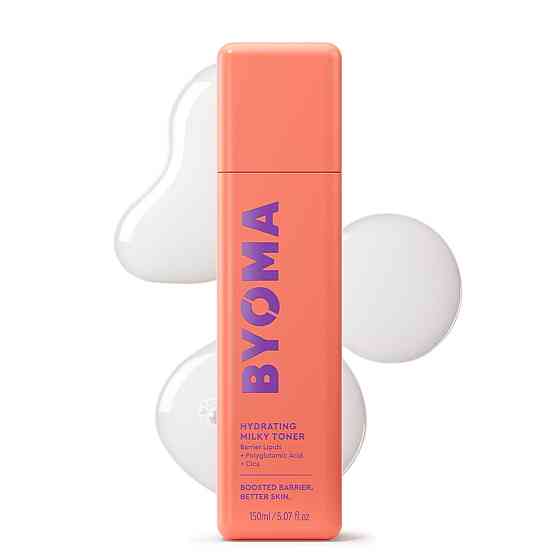
Skin care and appearance-related products can be helpful when chosen thoughtfully. Sunscreen, gentle cleansers, moisturizers, menstrual products, deodorants, and evidence-based acne care can support comfort and confidence. However, aggressive routines with multiple actives, at-home peels, tanning products, unregulated cosmetic devices, or products promoted as “fixing” normal adolescent bodies can cause irritation or reinforce shame. If acne, sweating, hair growth, menstrual symptoms, weight concerns, or body image distress is significant, the product aisle should not replace clinical assessment.
For teens who are athletes or highly active, products should match the actual training context. Most recreational athletes do not need complex supplements. Proper footwear, protective gear, hydration, adequate energy intake, sleep, and injury prevention often matter more than branded performance products. Pain, recurrent injuries, dizziness, menstrual irregularity, unexplained weight change, or excessive exercise warrants professional evaluation rather than another product purchase.
Support autonomy with shared decision-making and budgeting
Teenagers benefit from practicing consumer decisions while the stakes are still manageable. Shared decision-making teaches risk assessment, delayed gratification, financial literacy, and self-advocacy. Rather than saying only yes or no, adults can define non-negotiables and negotiables. Non-negotiables might include safety standards, privacy protections, no counterfeit products, no unverified medical claims, and no purchases that undermine treatment plans. Negotiables might include color, brand, style, feature preferences, or whether the teen contributes part of the cost.
One practical method is the “compare three” rule. Ask the teen to compare three options by price, durability, safety, evidence, reviews, return policy, and long-term usefulness. This works for headphones, school supplies, personal care items, clothing, sports gear, and technology. It shifts the discussion from control to competence. Teens who learn to compare products become less dependent on impulsive recommendations and more able to resist manipulative marketing.
Budgeting is not only about affordability. It also helps teens understand opportunity cost. A more expensive product may be reasonable if it is safer, repairable, durable, or genuinely important to the teen. A cheaper item may be appropriate when trends change quickly or when the risk of loss is high. Family transparency is helpful: “We can spend this amount, and if you want the upgraded version, let’s discuss whether you want to save, wait, or choose differently.”
For families with younger and older children, it can help to explain that age-based child product choices are not favoritism. Different privileges and products may reflect maturity, medical needs, school demands, transportation, or privacy considerations. This is especially relevant for phones, social media access, menstrual products, shaving products, sports equipment, and independent shopping.
Know when a product decision is really a health question
Some product requests are straightforward; others are signals that a teen may need support. Repeated purchases of weight-loss products, laxatives, detox teas, appetite suppressants, extreme fitness plans, skin-lightening products, or high-stimulant energy products should prompt a calm conversation and possibly clinical input. Similarly, a teen seeking products for sleep, concentration, panic symptoms, chronic pain, menstrual suppression, sexual health, gender dysphoria, or persistent fatigue may need confidential, developmentally appropriate healthcare rather than consumer advice alone.
Parents and caregivers do not need to diagnose the underlying issue. The goal is to notice patterns and open a door. A helpful statement is: “I’m not upset that you’re looking for help. I just want to make sure the help is safe and actually fits what you’re dealing with.” This stance reduces shame and increases the likelihood that the teen will disclose symptoms, peer pressure, or online influences.
Adolescent health literacy tools can support this process. These include symptom diaries, medication lists, credible health education resources, privacy-aware tracking apps, and structured question lists for medical visits. They should empower the teen rather than monitor them excessively. For example, a teen with migraines might track sleep, hydration, menstrual timing, and triggers before a clinician visit; a teen with acne might bring photos and a list of products used; a teen with suspected food reactions might document timing and symptoms without starting restrictive diets unless advised by a professional.
Respect confidentiality where clinically appropriate. Adolescents may be more honest with healthcare professionals when they can speak privately for part of the visit. Product choices related to sexual health, substance use, mental health, eating behaviors, and identity may require sensitive, nonjudgmental care. If there is immediate danger, self-harm risk, abuse, severe restriction, intoxication, or medical instability, seek urgent professional help.
Product choices that need extra caution
- Avoid using supplements, stimulant products, or hormone-related products for a teen without guidance from a qualified healthcare professional.
- Seek medical advice if a product is being used to manage persistent pain, fatigue, sleep problems, mood symptoms, weight change, or menstrual concerns.
- Be cautious with products promoted by influencers that make rapid body transformation, detox, immunity, focus, or cure-like claims.
- Check privacy and data-sharing settings before a teen uses health, location, wearable, or social media-linked apps.
- Take urgent action if product use is connected with self-harm, eating disorder warning signs, intoxication, abuse, or severe psychological distress.
Tools & Assistance
- Create a family product checklist covering safety, privacy, evidence, cost, and return policy.
- Use recall databases and manufacturer safety notices before buying secondhand gear or electronics.
- Ask a pharmacist about active ingredients, interactions, and age appropriateness for over-the-counter products.
- Bring product labels, photos, or app screenshots to pediatric or adolescent health visits when concerns arise.
- Teach teens to compare three options before buying a trend-driven item.
FAQ
Should parents let teenagers choose their own products?
Yes, when the product is low risk and within budget, choice builds autonomy. Adults should still set boundaries for safety, privacy, medical claims, and family values.
Are products labeled natural or clean safer for teens?
Not automatically. These labels are often marketing terms. Ingredients, concentration, route of exposure, allergy risk, and the teen’s medical history matter more.
When should a teen product be discussed with a doctor?
Consult a clinician when a product relates to supplements, weight change, sleep, mood, pain, menstrual symptoms, skin disease, sexual health, chronic illness, or medication interactions.
How can families reduce social media pressure to buy products?
Use media literacy questions, compare alternatives, set waiting periods for impulse purchases, and discuss how influencers, algorithms, and sponsorships shape desire.
What is the best approach if a teen wants an expensive brand?
Acknowledge the social importance, then compare function, durability, safety, and cost. Consider shared payment, saving, waiting, or choosing a safer lower-cost alternative.
Sources
- Journal of Consumer Research — Children and Adolescent Consumer Behavior Insights from the Marketing Discipline
- Journal of Human Nutrition and Dietetics — Tracking teen food marketing: Participatory research to examine persuasive power and platforms of exposure
- Opeepl — Youth Consumer Trends: Key Insights for Brands
Disclaimer
This article is for informational purposes only and does not replace medical advice, diagnosis, or treatment. Consult a qualified healthcare professional for concerns about a teenager’s health, medication, supplements, mental wellbeing, or safety.














Please log in to leave a comment.