
Intro
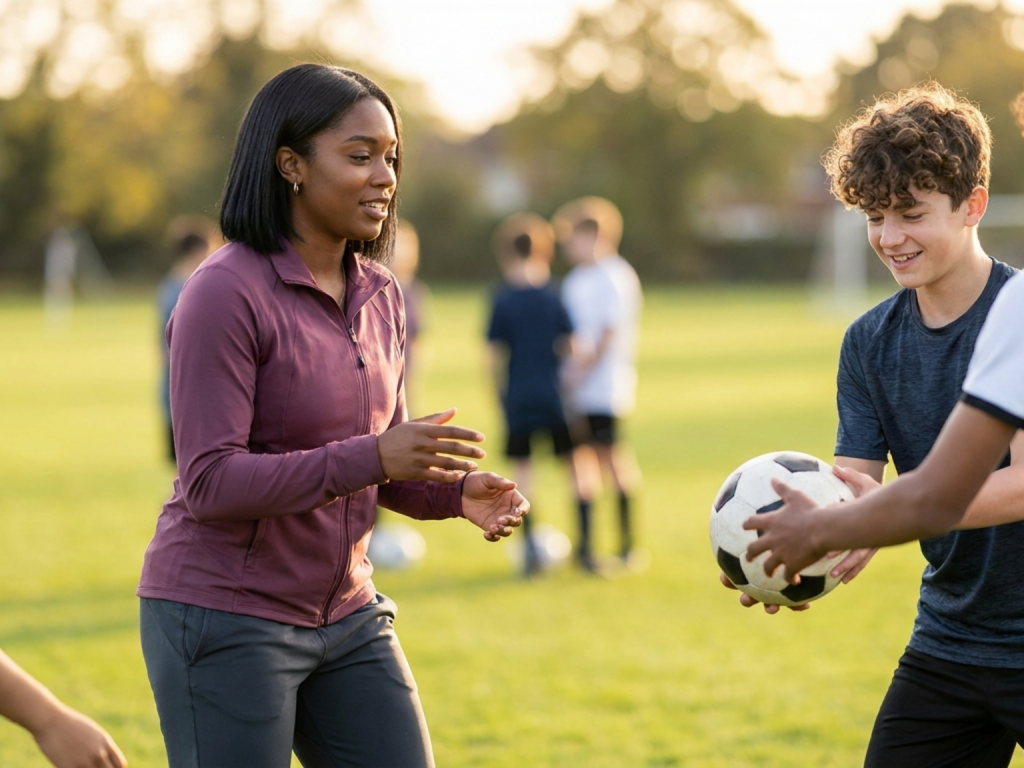
Adolescence is a period of rapid neurobiological, physical, and social change. Sports and structured social activities can give teenagers a safe arena to practice cooperation, autonomy, emotional regulation, leadership, and belonging while also supporting cardiovascular, musculoskeletal, and metabolic health.
Not every teen wants the same kind of activity, and not every family has the same access to time, transport, money, or safe spaces. A supportive approach focuses less on producing elite athletes and more on helping each teen find consistent, enjoyable, developmentally appropriate ways to move, connect, and feel valued.
Highlights
Sports can strengthen peer connection, reduce loneliness, and provide a built-in social network when the environment is safe and inclusive.
Team sports often offer especially strong opportunities for cooperation, communication, and social integration, but individual and noncompetitive activities can also be valuable.
Teen participation is healthiest when adults monitor injury risk, sleep, nutrition, emotional pressure, and signs of burnout.
A balanced schedule should protect school responsibilities, family time, recovery, and adolescent autonomy.
Why sports and social activities matter in adolescence
Teenagers are not simply smaller adults. During adolescence, the prefrontal cortex, limbic reward pathways, hypothalamic-pituitary-gonadal axis, and musculoskeletal system are all changing. This developmental window makes peer acceptance, status, novelty, and autonomy especially powerful. Well-run sports and social activities can channel these drives into positive risk taking: trying out for a team, learning a new skill, performing in front of others, or committing to a shared goal.
Research on youth sports consistently links participation with higher physical activity, stronger peer relationships, improved self-esteem, and lower loneliness. The benefit is not only the exercise dose. Practices, games, clubs, rehearsals, volunteer groups, and outdoor programs create repeated contact with peers and adults outside the classroom. That repetition helps teens practice social development through turn-taking, conflict repair, shared responsibility, and emotional regulation after success or disappointment.
For many adolescents, these settings also support identity formation. A teen may begin to see themselves as a teammate, runner, dancer, referee, mentor, organizer, or reliable friend. Those roles can be protective when school stress, body changes, family conflict, or social media comparisons feel overwhelming. The goal is not to make every teen competitive; it is to help them experience competence, relatedness, and agency.
Social benefits: belonging, communication, and resilience
Sports provide frequent, structured opportunities for high-quality peer relationships. Adolescents learn to read facial expressions, anticipate group dynamics, negotiate roles, and recover from interpersonal friction. These are forms of adolescent social cognition: the ability to understand other people’s intentions, emotions, and perspectives while regulating one’s own response.
Team environments can be particularly powerful because success depends on coordination. A volleyball player learns timing, trust, and communication; a soccer player learns spatial awareness, role flexibility, and emotional control when the match shifts quickly. A recent scientific study of adolescents found that sports participation was associated with better social integration, with team sports such as soccer and volleyball showing stronger effects than some individual sports. This does not mean individual sports are inferior for every teen. Rather, it suggests that shared goals and repeated cooperative tasks may intensify social learning.
Sports may also reduce isolation by creating a built-in social network. A teen who struggles to initiate friendships in unstructured settings may find it easier to connect when there is a clear activity, routine, and shared language. Coaches, activity leaders, and older peers can become additional supportive adults, especially when they model respect, inclusion, and calm problem-solving.
Resilience grows when teens encounter manageable stress with support. Losing a game, sitting on the bench, missing a personal record, or receiving corrective feedback can be painful. When adults respond with perspective rather than shame, teens learn that frustration is tolerable and temporary. That lesson can transfer to exams, friendships, work, and family challenges.
Choosing the right activity for a teen
The best activity is usually one the teen can repeat safely and with enough enjoyment to sustain. Some adolescents thrive in competitive school teams. Others prefer recreational leagues, martial arts, swimming, dance, climbing, cycling, theater, debate, robotics, community service, scouting, faith-based youth groups, or informal park activities. Social activities do not have to be athletic to be developmentally valuable, and sports do not have to be elite to improve health.
Families can start by asking what the teen wants from the activity. Is the priority friendship, fitness, mastery, stress relief, leadership, cultural connection, college preparation, or simply time away from screens? A teen who dislikes direct competition might enjoy yoga, hiking, strength training with supervision, or a noncompetitive dance class. A teen who needs more social structure may benefit from a team with predictable practices and adult guidance.
Participation in more than one sport or activity may be beneficial for many teens. Educational reports from the Women’s Sports Foundation describe stronger outcomes among teens involved in two or more sports, including better psychological health, academic performance, physical health, and lower loneliness compared with nonparticipants or those in only one sport. Variety may reduce repetitive strain, broaden peer groups, and prevent identity from becoming too dependent on a single performance domain.
Practical barriers matter. Cost, transportation, equipment, disability access, cultural expectations, and safety of facilities can determine whether a teen can participate. Schools, community centers, libraries, parks departments, adaptive sports programs, and nonprofit organizations may offer lower-cost options. A compassionate plan respects the family’s real constraints rather than treating participation as a simple matter of motivation.
Health and safety: supporting the whole adolescent
Sports can improve cardiorespiratory fitness, bone mineral accrual, neuromuscular coordination, insulin sensitivity, and mood. However, growing bodies need protection. Growth plates, changing limb proportions, relative muscle tightness, and rapid training increases can raise the risk of overuse injuries such as apophysitis, stress reactions, tendinopathy, and patellofemoral pain. Persistent pain, limping, swelling, night pain, chest pain, syncope, or neurologic symptoms should be assessed by a qualified healthcare professional.
Concussion deserves special caution. Any suspected head injury with headache, dizziness, confusion, visual disturbance, nausea, balance problems, memory changes, or unusual behavior requires removal from play and medical evaluation. Return to sport should follow a graduated protocol supervised by appropriately trained clinicians or school health staff. Teens should never be encouraged to “tough it out” after a possible concussion.
Nutrition, hydration, and sleep are not extras; they are part of injury prevention and adaptation. Teen athletes need enough energy for growth, puberty, school demands, and training. Restrictive dieting, pressure to “make weight,” missed periods, recurrent injuries, fatigue, or preoccupation with body composition may signal low energy availability or disordered eating risk. Families may need guidance on teen athlete nutrition, especially during growth spurts or intense training blocks.
Heat illness and asthma also require planning. Coaches and caregivers should consider temperature, humidity, acclimatization, breaks, fluids, and access to emergency care. Teens with chronic conditions such as diabetes, epilepsy, congenital heart disease, asthma, inflammatory bowel disease, or juvenile arthritis can often participate, but individualized medical advice is important. The aim is inclusion with appropriate safeguards, not automatic exclusion.
Mental health, pressure, and healthy motivation
Sports can protect mental health, but they can also become a source of distress if the environment is harsh, humiliating, overly performance-based, or unsafe. Teens may internalize adult expectations, compare bodies and rankings, or feel trapped because quitting would disappoint parents, coaches, or peers. Watch for irritability, sleep disruption, loss of enjoyment, avoidance, panic symptoms, persistent sadness, declining school performance, social withdrawal, or statements of hopelessness.
Healthy motivation combines structure with autonomy. Parents can ask, “What felt good today?” or “What do you want to work on next?” rather than leading with scores, playing time, weight, or scholarships. Praise effort, teamwork, courage, preparation, and kindness. This approach supports self-control and academic motivation without making the teen’s worth dependent on outcomes.
Confidential adolescent health screening can be important when risk behaviors, mood symptoms, bullying, substance use, self-harm thoughts, or unsafe relationships are concerns. Research summaries from youth sports organizations report associations between sports participation and lower rates of some risky behaviors, but participation does not make a teen immune. In some environments, hazing, substance exposure, harassment, or coercive coaching can occur. Teens need to know they can report concerns without being blamed.
Burnout is another clinical concern. A teen who trains year-round in a single sport, has little recovery time, or feels chronic pressure may develop emotional exhaustion, reduced performance, and loss of identity outside the sport. Scheduled rest, cross-training, social time, and periodic reassessment of goals help preserve both health and enjoyment.
Making activities inclusive and socially safe
Inclusion is not just allowing a teen to attend; it means creating conditions where they can participate with dignity. Teens who are shy, neurodivergent, disabled, chronically ill, new to the language, economically stressed, or exploring gender and sexual identity may need thoughtful accommodations. These might include predictable routines, modified equipment, sensory breaks, adaptive coaching, buddy systems, transportation help, or clear anti-bullying policies.
Adults should pay attention to social hierarchies. A team can be supportive on the surface while still tolerating exclusion in group chats, locker rooms, buses, or parties. Digital communication in teens often extends the social life of a team beyond practice, which can be positive or harmful. Clear expectations about respectful messaging, photo sharing, privacy, and bystander behavior are part of modern safeguarding.
For teens who have experienced trauma or bullying, gradual entry may work better than immediate full participation. Watching a practice, meeting the coach privately, attending with one trusted peer, or starting in a recreational group can reduce threat perception. A medically literate approach recognizes that avoidance may reflect anxiety physiology, not laziness.
Families can also broaden the definition of success. A teen who volunteers as a junior coach, keeps score, manages equipment, photographs events for the school paper, or helps organize a community tournament may gain belonging even if they do not want to compete. Social contribution is a valid developmental outcome.
How parents and caregivers can support participation
Support begins with listening. Ask the teen what they enjoy, what feels stressful, and what kind of role adults should play. Some teens want parents at every game; others feel less pressure when family members attend occasionally. Respecting these preferences can strengthen family communication with teenagers.
Practical support includes transportation planning, checking equipment fit, encouraging sleep, providing regular meals, and helping the teen balance schoolwork. It also includes knowing the coach or activity leader, understanding emergency procedures, and ensuring there is a safe way to report injury, bullying, or misconduct. Parents do not need to micromanage; they do need to remain available and observant.
A balanced weekly schedule protects recovery and academic responsibilities. Adolescents commonly need 8 to 10 hours of sleep, yet late practices, early classes, homework, screens, and social obligations often compress sleep. If participation causes chronic exhaustion, recurrent injury, or major conflict, the schedule may need adjustment.
Finally, keep the relationship bigger than the activity. Celebrate the teen’s effort, friendships, leadership, and courage, not only their performance. If they want to stop an activity, explore the reasons calmly. Sometimes quitting reflects a healthy boundary; sometimes it reflects anxiety, bullying, depression, pain, or unrealistic expectations. When in doubt, involve appropriate professionals such as a pediatrician, adolescent medicine clinician, sports medicine physician, mental health professional, school counselor, or physical therapist.
When to seek help promptly
- Possible concussion symptoms after a head impact require removal from play and medical evaluation.
- Chest pain, fainting, unexplained shortness of breath, palpitations, or collapse during exercise need urgent clinical assessment.
- Persistent pain, swelling, limping, night pain, or repeated injuries should be evaluated before continuing intense activity.
- Rapid weight loss, restrictive eating, missed menstrual periods, or fear of weight gain may indicate a serious health risk.
- Bullying, hazing, coercion, harassment, self-harm thoughts, or severe mood changes require immediate adult and professional support.
Tools & Assistance
- Schedule a preparticipation physical evaluation with a pediatric or adolescent healthcare professional when appropriate.
- Ask schools or community centers about recreational leagues, adaptive sports, fee waivers, and transport support.
- Create a weekly schedule that includes sleep, homework, meals, recovery, family time, and social activity.
- Keep emergency contacts, medication plans, asthma inhalers, allergy action plans, and concussion protocols accessible.
- Encourage the teen to identify one trusted adult in each activity setting.
FAQ
Is a team sport better than an individual sport for social development?
Team sports often provide more built-in cooperation and peer interaction, but individual sports can still support confidence, discipline, mentoring, and friendships. The best choice depends on the teen’s temperament, goals, access, and safety.
How many activities should a teen do?
There is no universal number. Some teens benefit from variety, but the schedule should still protect sleep, schoolwork, recovery, family connection, and mental health.
What if my teen is not athletic?
They can still benefit from social activities such as theater, clubs, volunteering, outdoor groups, recreational movement, or team support roles. Belonging and consistent participation matter more than athletic talent.
When is sports pressure unhealthy?
Pressure is concerning when a teen feels trapped, ashamed, chronically anxious, injured, exhausted, or valued only for performance. A healthcare professional or counselor can help assess the situation.
Can teens with chronic medical conditions play sports?
Many can participate safely with individualized planning. Families should consult the teen’s healthcare team about activity type, medication timing, emergency plans, and necessary modifications.
Sources
- Nature — Contemporary prospects of youth sports and social integration among adolescents
- Women's Sports Foundation — The Real Impact of Youth Sports: What Research Shows
- Women's Sports Foundation — TEEN SPORT IN AMERICA: WHY PARTICIPATION MATTERS
Disclaimer
This article is for informational purposes only and does not diagnose, treat, or replace medical care. Consult a qualified healthcare professional for individualized advice about sports participation, injuries, mental health, or chronic conditions.
















Please log in to leave a comment.