
Intro
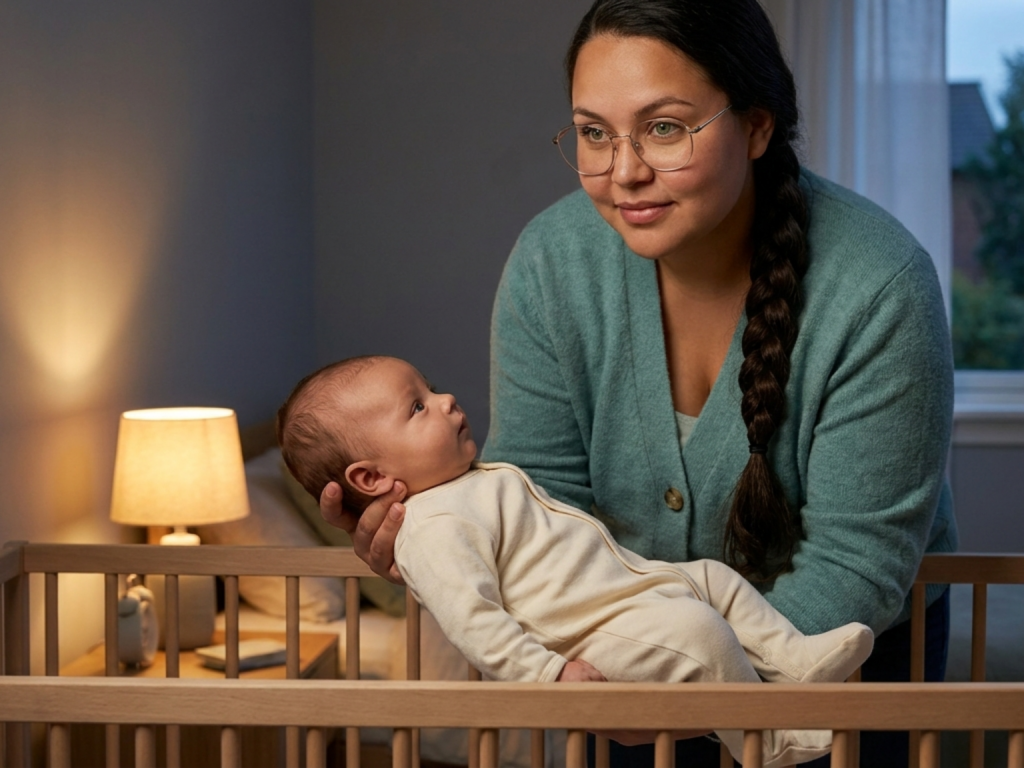
Helping a child learn to fall asleep independently can feel emotionally complex. Many parents want better sleep for the whole family, but they also want their child to feel safe, loved, and responded to. Independent sleep skills are not about ignoring a child’s needs; they are about gradually supporting the child’s ability to settle, re-settle, and connect sleep with predictable cues.
This article focuses on healthy, developmentally sensitive sleep learning in infants and young children. It uses medically cautious language because sleep patterns can be affected by feeding, neurodevelopment, reflux, respiratory symptoms, medications, anxiety, family stress, and other factors. When sleep problems are persistent, severe, or medically concerning, a pediatric clinician should guide the plan.
Highlights
Independent sleep is a learned self-regulation skill, not a sign that a child no longer needs comfort or attachment.
Most formal sleep-learning approaches are not recommended before about 4 months, when day-night rhythms are more established.
Consistency, a safe sleep environment, and predictable bedtime cues are often more important than any single method.
Crying can occur during sleep learning, but prolonged distress, medical symptoms, or parental overwhelm should prompt a pause and professional advice.
Sleep strategies should be adapted to age, temperament, feeding needs, and family values.
What independent sleep skills mean
Independent sleep skills refer to a child’s ability to fall asleep, and later return to sleep after normal night wakings, with less active help from a caregiver. This may include lying in a safe sleep space while drowsy but awake, calming with familiar cues, accepting brief parental check-ins, and linking bedtime with predictable steps. It does not mean that a baby or child never wakes, never cries, or never needs a parent.
All humans cycle through lighter and deeper sleep. Infants and toddlers often wake partially between sleep cycles, and what happens at those moments matters. If a child always falls asleep while being fed, rocked, driven, or held, they may look for the same condition when they wake later. Clinicians often call these sleep-onset associations. Some associations are manageable and meaningful for a family; others become exhausting when they must be repeated many times nightly.
A supportive goal is not perfect sleep, but flexible self-regulation. The child gradually learns, “My sleep space is safe, bedtime is predictable, and my caregiver will return if I truly need help.” For parents, this distinction is important: building independent sleep is compatible with warmth, attachment, and responsiveness.
Developmental readiness and realistic expectations
Sleep learning should match developmental readiness. Newborns have immature circadian rhythms, small stomach capacity, and frequent sleep-wake transitions. Regular day-night patterns typically become more organized after the early months, which is why many expert resources advise waiting until at least around 4 months before beginning structured sleep training. Even then, age, growth, feeding, prematurity, medical history, and parental mental health should shape the plan.
It is also useful to distinguish sleep consolidation from “sleeping through.” Infant sleep consolidation means longer stretches of sleep emerging over time, not a guaranteed uninterrupted night. Night feeding may still be appropriate for some babies, especially with concerns about weight gain, lactation, prematurity, or specific medical conditions. A pediatrician or lactation professional can help determine whether night feeds are still physiologically needed.
Older infants and toddlers have different challenges. Separation anxiety, motor milestones, teething discomfort, nap transitions, travel, illness, and changes in childcare can temporarily disrupt sleep. Parents may benefit from reviewing child sleep needs by age to avoid expecting a child to sleep more hours than their body can realistically manage. If the sleep schedule is biologically mismatched, even a thoughtful routine may fail.
Creating the foundation before changing bedtime
Before changing how a child falls asleep, build the conditions that make sleep biologically easier. Sleep is regulated by homeostatic sleep pressure, meaning the longer a child is awake, the stronger the drive to sleep becomes, and by the circadian system, the body’s internal day-night timing. Independent sleep is harder when either system is working against the child.
A strong foundation includes a reasonably consistent wake time, age-appropriate naps, daytime light exposure, and a calming bedtime rhythm. For many families, a routine of feeding if appropriate, bath or wash-up, pajamas, books or quiet song, brief cuddle, and into the sleep space works well. The routine should be repeatable on ordinary nights, not so elaborate that it becomes impossible to maintain.
The sleep environment also matters. For infants, follow current safe sleep guidance from the child’s healthcare team: a firm, flat sleep surface, appropriate temperature, and no unsafe loose items in the crib. For toddlers and preschoolers, reduce stimulating toys at bedtime, keep screens away from the pre-sleep period, and use predictable boundaries. A dim, calm room supports melatonin secretion, while bright light and screens can delay sleep onset.
Families should also consider whether bedtime is too early or too late. A child who is under-tired may protest because their sleep pressure is insufficient; an overtired child may become hyperaroused and dysregulated. A simple sleep diary for one to two weeks can reveal patterns better than memory alone.
Evidence-informed methods families may consider
There is no single correct method for every child. The best approach is one that is safe, developmentally appropriate, emotionally tolerable, and applied consistently. Research and pediatric sleep guidance commonly describe several structured options.
- Graduated checking: The parent places the child down awake, then checks at increasing intervals if the child cries. Check-ins are brief, calm, and reassuring, but do not fully recreate the old sleep association.
- Bedtime fading: Bedtime is temporarily moved closer to the time the child naturally falls asleep, then gradually shifted earlier once sleep onset becomes easier. This can reduce prolonged struggling in bed.
- Parental presence fading: The parent remains nearby at first, then gradually moves farther away over several nights. This may suit children who become highly distressed with abrupt separation.
- Chair method or gradual withdrawal: The caregiver sits near the sleep space, offering limited reassurance, and slowly reduces proximity and interaction.
Zero to Three notes that approaches such as graduated crying-it-out and bedtime fading have helped some babies fall asleep faster, while emphasizing that sleep learning is a new skill. The National Sleep Foundation similarly describes sleep training as helping a baby learn to fall asleep independently and self-soothe, often using routines and placing the baby down drowsy but awake.
For toddlers, methods often require clearer behavioral boundaries. Gradual fading for toddler sleep may involve returning the child to bed calmly, using a bedtime pass, or reducing the amount of parent presence over time. Parents dealing with Common toddler sleep problems may need to combine sleep skills with daytime connection, consistent limits, and careful attention to naps.
Responding to crying without losing responsiveness
Crying during sleep learning is one of the most difficult parts for many caregivers. A baby or child may protest because the pattern is changing, not necessarily because something is unsafe. Still, crying should never be interpreted automatically as harmless. Parents should remain attentive to the child’s age, cry quality, illness signs, feeding status, and their own capacity to cope.
A balanced response begins with a preplanned approach. Decide in advance how long to wait, what check-ins will look like, and what would make you stop. Brief, consistent reassurance can be more helpful than unpredictable cycles of waiting, entering, picking up, leaving, and returning. Inconsistent responses may accidentally intensify crying because the child learns that escalating distress eventually restores the old pattern.
Research on nighttime sleep-wake patterns in the first year has found associations between later self-soothing and factors such as decreasing time spent out of the crib, higher levels of quiet sleep at birth, and longer parental response times to awakenings. These findings do not mean parents should ignore distress, but they support the idea that giving a child small opportunities to resettle can be part of skill acquisition.
If crying feels unbearable, choose a gentler method or pause. A parent who is exhausted, depressed, anxious, or triggered by crying deserves support, not judgment. Sleep plans should protect both child safety and caregiver mental health.
When to pause and seek medical guidance
Not every sleep problem is behavioral. Independent sleep strategies are unlikely to succeed if a child has untreated pain, respiratory obstruction, significant feeding problems, uncontrolled eczema itching, medication effects, or an irregular schedule that does not match developmental needs. Medical assessment is especially important when sleep difficulty is new, severe, or accompanied by other symptoms.
Parents should consult a pediatric clinician if there is habitual loud snoring, pauses in breathing, gasping, persistent mouth breathing, poor growth, recurrent vomiting, chronic cough, suspected reflux complications, seizures, unusual movements, severe night sweats, or marked daytime sleepiness. Behavioral insomnia can coexist with medical conditions, so improvement may require more than routine changes.
It is also reasonable to ask for help when family functioning is suffering. Sleep deprivation can impair driving safety, mood regulation, work performance, and parent-child interactions. Pediatricians, health visitors, lactation consultants, behavioral sleep specialists, and pediatric sleep medicine clinicians may all play a role, depending on the situation.
Finally, sleep plans should be culturally and practically realistic. Some families room-share, some breastfeed overnight, some have multiple children in one room, and some parents work shifts. Independent sleep skills can be built within many family structures; the key is to make changes deliberately, safely, and compassionately.
Seek medical advice promptly if
- Your child has loud habitual snoring, gasping, pauses in breathing, or persistent mouth breathing.
- Sleep difficulty is associated with poor weight gain, feeding problems, recurrent vomiting, or suspected pain.
- There are seizure-like events, unusual rhythmic movements, or episodes that do not resemble typical night waking.
- A baby is younger than 4 months and you are considering structured sleep training.
- Parental exhaustion, anxiety, depression, or anger feels unsafe or unmanageable.
Tools & Assistance
- Keep a 1- to 2-week sleep diary including naps, bedtime, night wakings, feeds, and morning wake time.
- Discuss persistent sleep concerns with your child’s pediatrician or family doctor.
- Review safe sleep guidance before making changes to an infant’s sleep environment.
- Consider a pediatric sleep specialist evaluation for suspected sleep-disordered breathing or complex insomnia.
- Choose one sleep-learning method and apply it consistently for several nights unless safety concerns arise.
FAQ
Is independent sleep the same as leaving a child to cry alone?
No. Independent sleep means gradually helping a child learn to settle with less active assistance. Some methods involve brief crying, but plans can include reassurance, check-ins, and slower parental withdrawal.
When can parents start sleep training?
Many expert resources advise waiting until at least about 4 months, when day-night rhythms are more mature. Ask a pediatric clinician first if your baby was premature, has feeding or growth concerns, or has medical issues.
What if my child still needs night feeds?
Sleep learning and night feeding can sometimes coexist. A clinician or lactation professional can help determine whether night feeds are still needed and how to separate feeding from falling asleep when appropriate.
How long does it take to build independent sleep skills?
Some families see improvement within several nights, while others need a slower plan over weeks. Age, temperament, consistency, illness, travel, and schedule timing all affect progress.
Should I stop if my child cries?
Not always, but crying should be interpreted in context. Stop and reassess if the cry seems unusual, the child may be ill or in pain, you feel unable to respond safely, or the method conflicts with your family’s values.
Sources
- National Institutes of Health / PubMed Central — Nighttime sleep-wake patterns and self-soothing from birth to one year of age
- Zero to Three — Help Babies Learn to Fall Asleep On Their Own: What Research Says
- National Sleep Foundation — Sleep Training for Babies
Disclaimer
This article is for general educational purposes only and is not a diagnosis or individualized medical plan. Always consult a qualified healthcare professional about your child’s sleep, feeding, breathing, growth, or safety concerns.

















Please log in to leave a comment.