
Intro
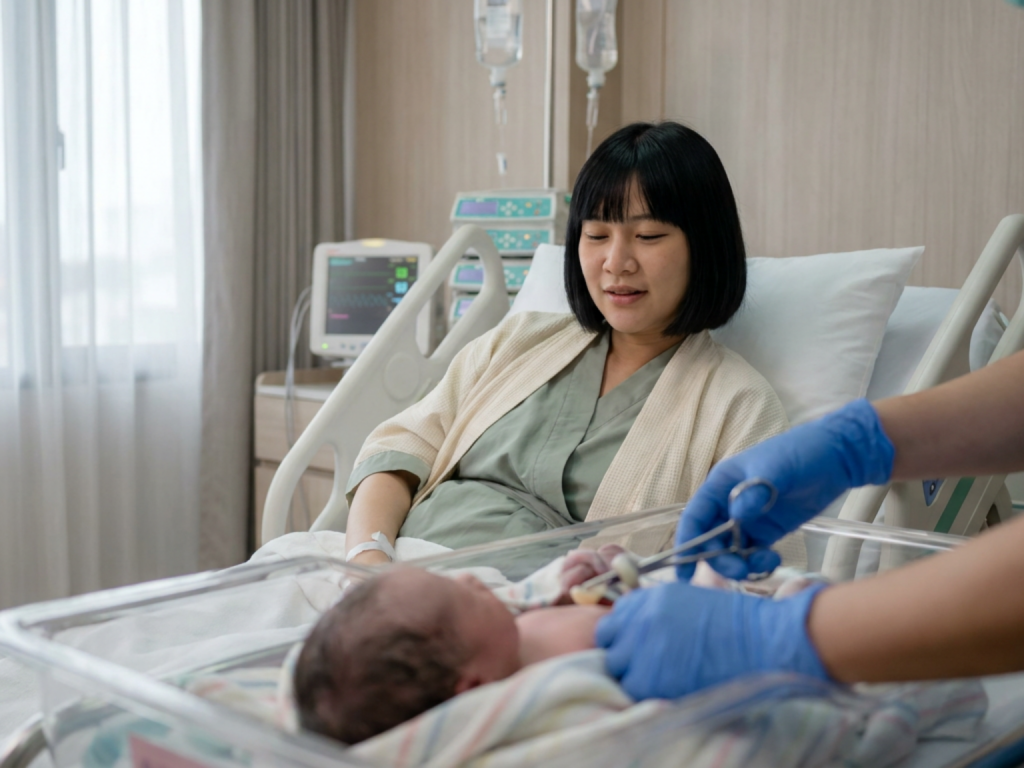
After a baby is born, attention often turns quickly to the newborn, but the birth is not physiologically complete until the placenta has separated and been delivered. This third stage of labor is usually brief, yet it can feel emotionally intense when it takes longer than expected or when bleeding, pain, or medical interventions enter the picture.
Delays in placenta delivery and recovery can have many causes, ranging from normal variation in uterine tone to retained placental tissue, excessive bleeding, medication effects, or the need to prioritize newborn care. Understanding the main factors can help you ask informed questions while still relying on your maternity team for assessment and safe management.
Highlights
Placenta delivery depends on uterine contraction, placental separation, and controlled bleeding from the placental bed.
A delay is not always an emergency, but persistent bleeding, severe pain, or retained tissue requires prompt clinical evaluation.
Cord clamping timing, newborn resuscitation needs, and maternal stability can affect the sequence of events immediately after birth.
Recovery may be slower when blood loss, infection risk, operative birth, anemia, or emotional stress are present.
How placenta delivery normally happens
The delivery of the placenta occurs during the third stage of labor, after the baby has been born and before the uterus begins the more sustained process of postpartum involution. In a typical vaginal birth, the uterus continues to contract, the placental attachment site shears away from the uterine wall, and the placenta moves down through the cervix and vagina. Clinicians look for signs of separation such as a gush of blood, lengthening of the umbilical cord, and a firmer, rising uterine fundus.
Many maternity units use active management of the third stage, which may include a uterotonic medication such as oxytocin, controlled cord traction when appropriate, and uterine tone assessment. Others may use a more physiologic approach in selected low-risk situations, allowing the placenta to separate with minimal intervention while monitoring bleeding and maternal condition. The safest approach depends on the clinical context, the birthing person’s preferences, and local protocols.
It is also normal for the immediate birth environment to feel busy. Skin-to-skin contact, newborn breathing assessment, uterine massage, blood-loss estimation, perineal evaluation, and placenta inspection may happen close together. A longer-than-expected third stage can feel unsettling, but the key clinical question is not time alone. The team is watching whether the uterus is firm, whether bleeding is controlled, whether the placenta appears complete, and whether the birthing person remains stable.
Uterine tone and contraction problems
One of the most important factors delaying placenta delivery is inadequate uterine contraction. The placenta separates most efficiently when the uterus contracts firmly and rhythmically. If the uterus is hypotonic or atonic, separation may be incomplete, bleeding may increase, and the placenta may not descend well. Uterine atony is also a leading contributor to postpartum hemorrhage, so teams respond quickly when tone is poor.
Several situations can make the uterus less responsive after birth. A very long labor, very rapid labor, prolonged oxytocin exposure, chorioamnionitis, multiple pregnancy, polyhydramnios, a large baby, magnesium sulfate therapy, or high parity can all be associated with reduced contractile efficiency. Exhaustion, dehydration, and significant pain may also complicate the immediate postpartum period, although they are not usually the sole cause of retained placenta.
Recovery may be slower when the uterus needs repeated massage, medications, or close monitoring to maintain tone. Uterine massage can be uncomfortable, especially after intense labor or perineal trauma, but it is often used to assess and encourage firmness. If bleeding is heavier than expected, clinicians may give uterotonic medications, check for retained tissue or genital tract lacerations, and monitor vital signs and blood loss closely.
For the patient, the practical takeaway is that uterine tone is not something to self-diagnose. If bleeding soaks pads rapidly, clots are large, dizziness develops, or the uterus feels persistently boggy when assessed by a clinician, medical evaluation is needed without delay.
Retained placenta and abnormal attachment
A retained placenta means the placenta has not delivered within the expected clinical timeframe or has delivered incompletely. Definitions vary by setting, but concern rises when the placenta remains undelivered after a prolonged third stage, particularly if bleeding is increasing. Retention can occur because the placenta has separated but is trapped, because separation has not occurred, or because placental tissue is abnormally adherent to the uterine wall.
Mechanical factors may include a closing cervix, a full bladder, uterine spasm, or a placenta that has detached but has not descended. Sometimes emptying the bladder, changing position, breastfeeding or nipple stimulation in appropriate settings, or carefully managed traction may assist, but these decisions belong to the birth team. Pulling on the cord without clinical guidance can be unsafe because it may increase the risk of cord avulsion or uterine inversion.
Another concern is placenta accreta spectrum, in which placental tissue attaches too deeply into the uterine wall. Risk is higher with prior cesarean birth, placenta previa, and previous uterine surgery, although it can occur without obvious risk factors. Accreta-related retention can be serious because attempts at separation may cause severe hemorrhage. When abnormal attachment is suspected, management may require senior obstetric involvement, blood-loss preparation, anesthesia, and sometimes operative care.
Even when the placenta delivers, the team usually examines it to see whether membranes and cotyledons appear complete. Small retained fragments can delay recovery by causing prolonged bleeding, cramping, fever, uterine tenderness, or subinvolution days to weeks later. Anyone with persistent heavy bleeding, foul-smelling lochia, fever, or worsening pelvic pain after birth should contact a healthcare professional promptly.
Cord clamping, newborn priorities, and timing
Umbilical cord management can influence the sequence of events before the placenta is delivered. Delayed cord clamping commonly means waiting at least 30 to 60 seconds after birth before clamping, when maternal and newborn conditions allow. Guidance from major professional organizations notes neonatal benefits, including improved blood volume and iron stores, and particular advantages for some preterm infants. Available guidance also indicates that delayed clamping does not appear to increase maternal risk of postpartum hemorrhage in typical circumstances.
However, timing must remain flexible. If the newborn needs immediate resuscitation away from the birth parent, or if there is maternal instability, heavy bleeding, placental abruption, cord problems, or other urgent circumstances, earlier clamping may be recommended. The goal is not to follow a rigid clock but to balance neonatal transition, maternal safety, and the realities of the birth.
Delayed clamping itself usually does not mean the placenta will be dangerously delayed. In many births, the baby can remain near the parent while placental separation begins naturally. The maternity team may still monitor uterine tone, bleeding, and signs of placental separation during this time. If the baby is vigorous and the birthing person is stable, immediate skin-to-skin contact may continue while the third stage progresses.
It is reasonable to discuss cord clamping preferences before birth, especially if there are known risk factors such as preterm birth, fetal growth restriction, placenta previa, multiple pregnancy, or a history of postpartum hemorrhage. A birth plan can express values, but the safest timing is ultimately determined by the clinical condition of both patient and baby.
Birth interventions, anesthesia, and physical exhaustion
The pathway through labor can affect both placenta delivery and recovery. Induction or augmentation, prolonged second stage of labor, operative vaginal birth, cesarean birth, extensive perineal repair, and significant intrapartum fever can all increase the complexity of the immediate postpartum period. These factors do not automatically cause placental delay, but they can increase monitoring needs and the likelihood that clinicians will intervene earlier.
Anesthesia and analgesia may also shape the experience. Epidural analgesia can reduce pain and conserve energy, but after birth it may make bladder fullness harder to perceive, and a full bladder can interfere with uterine contraction or placental descent. Spinal or general anesthesia during cesarean birth changes the entire context because the placenta is delivered surgically and recovery includes anesthesia effects, incision healing, and higher baseline blood-loss considerations compared with uncomplicated vaginal birth.
Physical exhaustion matters because recovery is not only about the uterus. A person who has labored for many hours, pushed for a long time, lost significant sleep, vomited, had limited oral intake, or experienced intense anxiety may feel shaky, weak, or emotionally overwhelmed even when the placenta delivers normally. These symptoms should still be taken seriously, particularly if they are accompanied by tachycardia, low blood pressure, pallor, shortness of breath, chest pain, or heavy bleeding.
Supportive recovery includes warmth, fluids when permitted, pain control, bladder care, help with infant feeding, and clear explanations from the care team. Feeling informed can reduce fear during a medically busy third stage, especially when interventions are needed quickly.
Bleeding, anemia, infection, and slower recovery
Postpartum recovery can be delayed even after the placenta has been delivered. Blood loss is a major factor. Some bleeding is expected as the placental site heals, but excessive bleeding can lead to symptomatic anemia, fatigue, dizziness, palpitations, shortness of breath with exertion, and difficulty caring for the newborn. Treatment decisions depend on severity and may include observation, laboratory testing, iron therapy, medications, procedures, or transfusion in urgent cases.
Infection is another reason recovery may not follow the expected course. Risk can rise after prolonged rupture of membranes, intrapartum fever, retained tissue, multiple vaginal examinations in certain contexts, cesarean birth, or manual removal of the placenta. Warning signs include fever, chills, worsening uterine tenderness, foul-smelling lochia, increasing pelvic pain, or feeling systemically unwell. These symptoms need clinical assessment because postpartum infections can progress quickly.
Recovery is also influenced by trauma to the birth canal. Perineal tears, episiotomy, cervical or vaginal lacerations, and hematomas can cause pain, pressure, urinary difficulty, or bleeding that may be confused with uterine bleeding. If pain is severe, one-sided, worsening, or associated with swelling or inability to pass urine, the care team should evaluate promptly.
Emotional recovery deserves equal respect. A delayed placenta, manual removal, hemorrhage response, neonatal resuscitation, or separation from the baby can feel frightening even when everyone is ultimately safe. Debriefing with a clinician, asking what happened, and seeking mental health support when intrusive memories, panic, guilt, or persistent distress appear are appropriate parts of postpartum care.
When to seek help and what to ask
Because placental complications can change quickly, the safest approach is to involve trained professionals early. During birth, ask the team what they are seeing: whether the uterus is firm, whether bleeding is within expected limits, whether the placenta appears separated, and what the next step would be if it does not deliver. In the postpartum days, ask how much bleeding is expected, which symptoms require urgent evaluation, and whether any risk factors from the birth should change follow-up.
Questions that may help include: Was the placenta complete? Was there any concern for retained membranes? How much blood loss was estimated? Did I receive uterotonic medication? Do I need iron testing or supplementation advice? Are there restrictions because of a manual removal, repair, or cesarean birth? Clear answers can make recovery feel less mysterious and help identify problems earlier.
Call emergency services or seek urgent maternity care for very heavy bleeding, fainting, chest pain, severe shortness of breath, confusion, severe abdominal pain, fever with feeling very unwell, or signs of shock. Contact your clinician promptly for persistent heavy lochia, clots larger than expected by your discharge instructions, foul odor, worsening uterine tenderness, increasing perineal pain, or symptoms of anemia. Trusting your instincts matters: if recovery feels wrong, it is appropriate to ask for assessment.
Seek urgent care
- Heavy bleeding that soaks a pad quickly or continues despite rest needs urgent evaluation.
- Fainting, severe dizziness, chest pain, shortness of breath, or confusion can signal serious blood loss or another emergency.
- Fever, chills, foul-smelling lochia, or worsening uterine pain may suggest infection.
- Severe one-sided perineal pain, swelling, or inability to urinate should be assessed promptly.
- Do not pull on the umbilical cord or attempt to manage a retained placenta without trained clinical care.
Tools & Assistance
- Ask your birth team to explain the third-stage plan before delivery when possible.
- Use postpartum discharge instructions to track bleeding, fever, pain, and warning signs.
- Contact labor and delivery triage or your maternity clinician if symptoms escalate.
- Request a birth debrief if the placenta delivery or recovery felt frightening or unclear.
- Seek emergency care for signs of hemorrhage, shock, or severe infection.
FAQ
How long should placenta delivery take?
Timing varies by setting and management approach. Clinicians become more concerned when the third stage is prolonged, bleeding increases, or the placenta appears trapped or incomplete.
Does delayed cord clamping cause retained placenta?
Delayed cord clamping is usually brief, often 30 to 60 seconds or longer when safe, and is not considered a typical cause of retained placenta. Maternal bleeding or newborn resuscitation needs may change the timing.
What is manual removal of the placenta?
Manual removal is a clinical procedure used when the placenta does not deliver safely on its own or bleeding requires action. It should only be performed by trained clinicians with appropriate pain control and monitoring.
Can retained tissue cause symptoms after going home?
Yes. Persistent heavy bleeding, fever, foul-smelling discharge, worsening cramping, or uterine tenderness after birth can occur with retained tissue or infection and should be assessed.
Is slow recovery always a sign something is wrong?
Not always. Fatigue, soreness, and emotional intensity are common after birth, but symptoms that are severe, worsening, or associated with heavy bleeding, fever, dizziness, or shortness of breath need medical review.
Sources
- American College of Obstetricians and Gynecologists — Delayed Umbilical Cord Clamping After Birth
- DONA International — Delayed Cord Clamping - Evidence & Resources for Doulas
- Mayo Clinic Health System — Delayed umbilical cord clamping
Disclaimer
This article is for general medical education only and does not diagnose or treat any condition. Always follow the advice of your obstetric, midwifery, or emergency care team.


















Please log in to leave a comment.