
Intro
An empowering birth story is not necessarily a story of an uncomplicated labor, a particular delivery method, or complete control over every event. It is often a story about being heard, understanding available options, receiving skilled support, and retaining a sense of dignity when plans change. The following composite narrative draws on themes described in published personal accounts and research about autonomy, trust, continuity of care, and respectful maternity support.
It is presented as a real-world example of how empowerment can develop during pregnancy, labor, birth, and early postpartum recovery. Every pregnancy is different, and an individual story should never be treated as a clinical template. Decisions about place of birth, monitoring, analgesia, induction, operative birth, and newborn care should be made with qualified healthcare professionals.
Highlights
Empowerment can coexist with pain, uncertainty, medical intervention, or an altered birth plan.
Clear explanations and informed consent help a laboring person remain an active participant in care.
Continuity of care and continuous labor support can strengthen trust and reduce isolation.
A positive birth experience is defined by the individual, not by whether birth followed an idealized script.
An empowering beginning: preparation without perfection
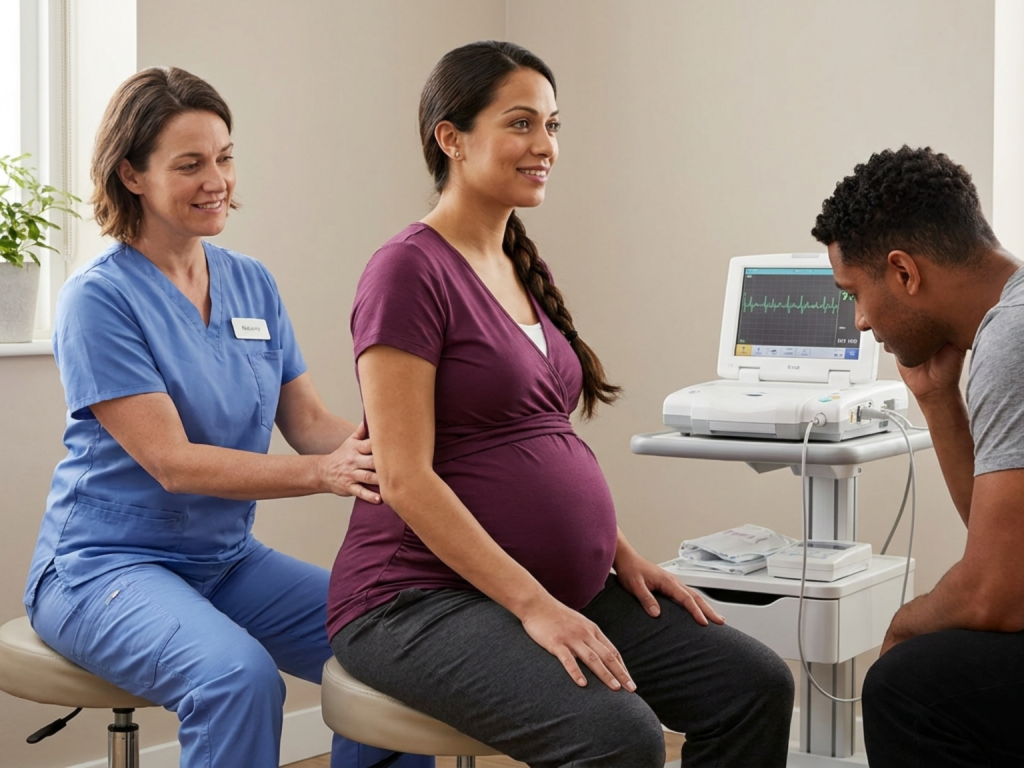
At 34 weeks of pregnancy, Maya began preparing for birth with a practical goal: she wanted to understand her choices well enough to participate in decisions. She did not define success as an unmedicated vaginal birth or as avoiding every intervention. Instead, she wrote a short list of preferences: she wanted explanations before nonurgent procedures, the opportunity to ask questions, freedom to change positions when clinically appropriate, and her support person included in discussions.
Her midwife reviewed the list alongside the medical record, including fetal growth, placental location, blood pressure, previous health conditions, and the planned place of birth. They discussed circumstances that could change the recommendation, such as concerning fetal heart rate patterns, significant bleeding, infection, hypertensive disease, or labor that was not progressing safely. This conversation helped Maya see that flexibility was not a failure of preparation. It was a safety strategy.
She also learned about pharmacologic and nonpharmacologic pain-management options. Breathing techniques, movement, water immersion where available, massage, focused attention, and positional changes could support coping, while systemic analgesia or neuraxial labor analgesia could be considered if pain became difficult to manage. The purpose was not to predict her response, but to prevent her from feeling that she had only one acceptable route.
For Maya, this preparation resembled the mindset behind a Natural birth story real experience: curiosity about physiology, respect for the body, and willingness to use medical care when indicated. The central question was not, “Can I endure everything?” It was, “How can I remain informed and supported as labor unfolds?”
Early labor and the value of being heard
Labor began at night with irregular contractions that gradually became stronger and more organized. Maya contacted her maternity team and described the timing, intensity, fetal movement, and absence of concerning symptoms. The midwife offered individualized guidance about when to come in and reviewed warning signs that required prompt assessment. This exchange mattered because Maya was treated as a reliable observer of her own experience rather than as someone who needed to prove that labor was “real.”
When she arrived for evaluation, the team assessed maternal vital signs, contraction pattern, fetal heart rate, cervical findings, and overall clinical context. The assessment was explained in plain language while retaining appropriate medical precision. Maya was told that cervical dilation was progressing, but that the findings represented one moment rather than a guaranteed timetable. She was encouraged to ask what each recommendation was intended to accomplish and what alternatives were reasonable.
This was respectful birth communication in practice. It included introductions, privacy, permission before examinations, and acknowledgment that labor can be emotionally overwhelming. The team did not promise that every preference would be possible. Instead, they explained which choices were compatible with the current clinical picture and which findings would require a different approach.
Research on positive birth narratives commonly identifies autonomy, trust, support, and continuity of care as important themes. Maya experienced these themes not as abstract principles but as small interactions: a pause before an examination, a response to her concern, and a clear explanation when monitoring was recommended. These moments reduced fear and made the clinical environment feel collaborative.
Coping with intensity while maintaining safety
As labor intensified, Maya moved between standing, leaning over a support surface, side-lying, and kneeling. Her partner applied counterpressure to her lower back, while the midwife offered brief cues for breathing and relaxation. The team used intermittent fetal heart rate monitoring when appropriate and reassessed maternal and fetal status at clinically indicated intervals. This allowed attention to remain on both physiologic labor and safety surveillance.
Maya had expected pain, but she had not expected the narrowing of her attention during contractions. Between contractions, she could discuss options; during contractions, she needed concise communication. The midwife adapted by explaining plans before the next contraction and asking one question at a time. A calm environment did not mean that labor was easy. It meant that Maya was not left to interpret every unfamiliar sensation alone.
After several hours, exhaustion became more prominent than fear. Maya requested an assessment and asked about analgesia. She initially considered an opioid medication but then asked whether neuraxial analgesia was available if she could no longer maintain effective coping. Her clinicians reviewed expected benefits, limitations, timing, monitoring requirements, and potential adverse effects. She chose an epidural after considering the information, and the decision was accepted without judgment.
This part of the story is clinically and emotionally significant. An empowering birth does not require refusing analgesia. Pain relief can be an informed choice, and changing a preference can represent accurate self-assessment. Maya still retained agency because the decision was hers, made with professional guidance and within the safety requirements of her setting.
When the birth plan changes
Following analgesia, Maya rested while the team continued maternal and fetal assessment. Later, the fetal heart rate tracing showed recurrent changes that prompted closer evaluation and a discussion among the obstetric and midwifery staff. The clinicians explained that some patterns can be transient, while persistent or worsening abnormalities may indicate that the fetus is not tolerating labor well. They described the immediate measures being considered and the possibility that operative birth could become necessary.
Maya felt frightened. Her original preference had been to push in an upright position and avoid operative intervention if possible. The team acknowledged that disappointment and fear could coexist with the need to act. They explained the proposed steps, answered questions, and confirmed that Maya understood the reason for escalation. Her partner remained present and helped her repeat the information back in her own words.
The tracing improved temporarily, allowing additional observation. However, during the second stage, the concerning pattern returned and the fetal head did not descend as expected. After reassessment, the obstetrician recommended an urgent cesarean birth. The recommendation was not presented as a personal failure or as punishment for choosing an epidural. It was framed as a response to the clinical situation. Maya consented after receiving a concise explanation of the indication, anesthesia, expected sequence, and immediate newborn assessment.
The cesarean birth was not the delivery Maya had imagined, yet she later described the experience as empowering because she understood why the plan changed. Empowerment is compatible with accepting advice, transferring care, or undergoing an intervention. The key issue is whether the person remains respected, informed, and involved to the extent the circumstances allow.
The first hours after birth
After birth, the neonatal team assessed the newborn at the operating table because of the intrapartum concerns. The clinicians communicated the findings and explained when the baby could be brought close to Maya. Skin-to-skin contact was initiated when medically appropriate, and feeding choices were discussed without pressure. Maya was also monitored for pain, blood loss, uterine tone, blood pressure, temperature, and other postoperative concerns.
The first hours were physically demanding. Maya experienced incisional pain, shivering, fatigue, and emotional release. Her partner received instructions about supporting the baby and alerting staff if Maya felt faint, developed worsening pain, had heavy bleeding, or seemed acutely unwell. The team reviewed mobility precautions, medication use according to the prescribed plan, hydration, and follow-up arrangements.
Postpartum empowerment often depends on whether care continues after the dramatic moment of delivery. Maya was invited to describe what she remembered and what remained confusing. A clinician explained the fetal heart rate concerns again, this time with more detail because Maya was no longer in active labor. This early birth debriefing helped her distinguish the emotional experience from the clinical rationale. She could feel grief about the cesarean and gratitude for the care at the same time.
Published narratives about transformative birth similarly show that the lasting meaning of birth may arise from being cared for as a whole person. Technical competence matters, but so do listening, reassurance, continuity, and recognition of the patient’s emotional reality.
What made the story empowering
Maya later identified several elements that shaped her experience. First, her preferences were discussed before labor and treated as useful information rather than a rigid contract. Second, clinicians explained assessments and recommendations in a way she could understand. Third, consent was sought for examinations and procedures whenever the situation allowed. Fourth, her partner and midwife provided continuous labor support, helping her cope and communicate when concentration was limited.
Fifth, the care team maintained a safety framework. Fetal surveillance, maternal assessment, anesthesia care, surgical readiness, and neonatal evaluation were not obstacles to empowerment. They were part of responsible maternity care. Empowerment did not mean that Maya independently interpreted a fetal heart rate tracing or made technical decisions outside her expertise. It meant she was included in decisions by professionals who explained the clinical reasoning.
Finally, Maya was allowed to tell a complicated story. She could call the birth positive without calling it painless. She could appreciate the cesarean as necessary while still mourning the loss of her anticipated labor. She could recognize the value of medical intervention while naming moments when communication felt rushed. Research on women’s positive birth stories suggests that these nuanced accounts can reassure others because they show that dignity and agency are possible even when events are unpredictable.
For another parent, an empowering story might involve spontaneous vaginal birth, planned cesarean birth, induction, assisted vaginal birth, home birth with appropriate screening and transfer planning, or a birth that required emergency intervention. The transferable lesson is not the method. It is the combination of informed participation, skilled care, emotional support, and respect for the individual’s values.
Using a birth story without turning it into a blueprint
Real birth stories can be valuable preparation, but they should be read as accounts of one person’s context rather than predictions. A labor described as calm may have involved hours of intense pain. A story described as natural may still have included monitoring, medication, repair, or transfer. A positive account may omit details that would matter clinically to someone with a different medical history.
When reading or sharing stories, it can help to ask: What support was available? Which decisions were discussed? What clinical factors influenced the plan? How did the person feel afterward? These questions shift attention from judging the delivery method to understanding the quality of care and the person’s experience.
Expectant parents can bring useful questions to prenatal visits. They may ask how their facility approaches informed consent, what pain-relief options are available, how fetal and maternal monitoring are performed, who will provide labor support, and how urgent changes are communicated. They can also ask about postpartum follow-up, mental health support, lactation support if desired, and how to request a review of the birth record.
A birth story should expand possibilities, not create a standard that someone must meet. Clinical recommendations are individualized, and urgent circumstances may limit discussion time. Even then, respectful explanations and compassionate follow-up can help a person understand what happened and recover a sense of ownership over the story.
When to seek urgent medical care
- Contact a maternity professional promptly for heavy vaginal bleeding, severe or persistent abdominal pain, or fainting.
- Seek urgent assessment for severe headache, visual changes, chest pain, shortness of breath, or sudden swelling after birth.
- Report fever, worsening wound pain, foul-smelling discharge, or feeling acutely unwell during postpartum recovery.
- During pregnancy or labor, follow local guidance for reduced fetal movement, fluid leakage, or regular painful contractions.
- Call emergency services for severe breathing difficulty, loss of consciousness, uncontrolled bleeding, or another immediate emergency.
Tools & Assistance
- A flexible birth preferences document reviewed with the maternity team
- A list of questions about monitoring, analgesia, induction, operative birth, and newborn care
- A trusted support person prepared to listen, take notes, and help clarify information
- Prenatal classes, midwifery services, obstetric care, and postpartum follow-up
- A postpartum birth debrief with a qualified clinician when questions or distress persist
FAQ
Does an empowering birth have to be unmedicated?
No. An empowering birth may include analgesia, induction, assisted birth, cesarean birth, or other interventions. The defining features are respectful care, informed participation, appropriate safety measures, and support.
What should I include in a birth preferences document?
Include communication preferences, support people, mobility and comfort measures, pain-relief options you want to discuss, feeding or skin-to-skin preferences, and circumstances in which you would want additional explanation. Keep it flexible and review it with your clinician.
Can I change my mind during labor?
Usually, yes, when the clinical situation permits. Labor can change rapidly, and a person may request or decline options after discussing benefits, risks, alternatives, and likely consequences with the healthcare team.
What if my birth experience felt both positive and traumatic?
Mixed feelings are valid. Consider requesting a postpartum birth debrief, reviewing the medical record with a clinician, and seeking mental health support if distress, intrusive memories, anxiety, or low mood interfere with daily life.
How can I support someone during labor?
Listen without imposing a preferred birth method, help the person communicate questions, offer practical comfort, and defer clinical decisions to the patient and healthcare team. Calm, continuous support can be valuable during stressful transitions.
Sources
- PubMed Central — The Transformative Power of Birth
- PubMed Central — Celebrate Birth!—The Empowered Pregnancy That Changed My Life
- BMC Pregnancy and Childbirth — Exploring Western Australian Women’s experiences of sharing positive birth stories
Disclaimer
This article is for general educational purposes and does not diagnose, treat, or replace advice from a qualified maternity or mental health professional. Seek individualized medical guidance for pregnancy, labor, birth, and postpartum concerns.


















Please log in to leave a comment.