
Intro
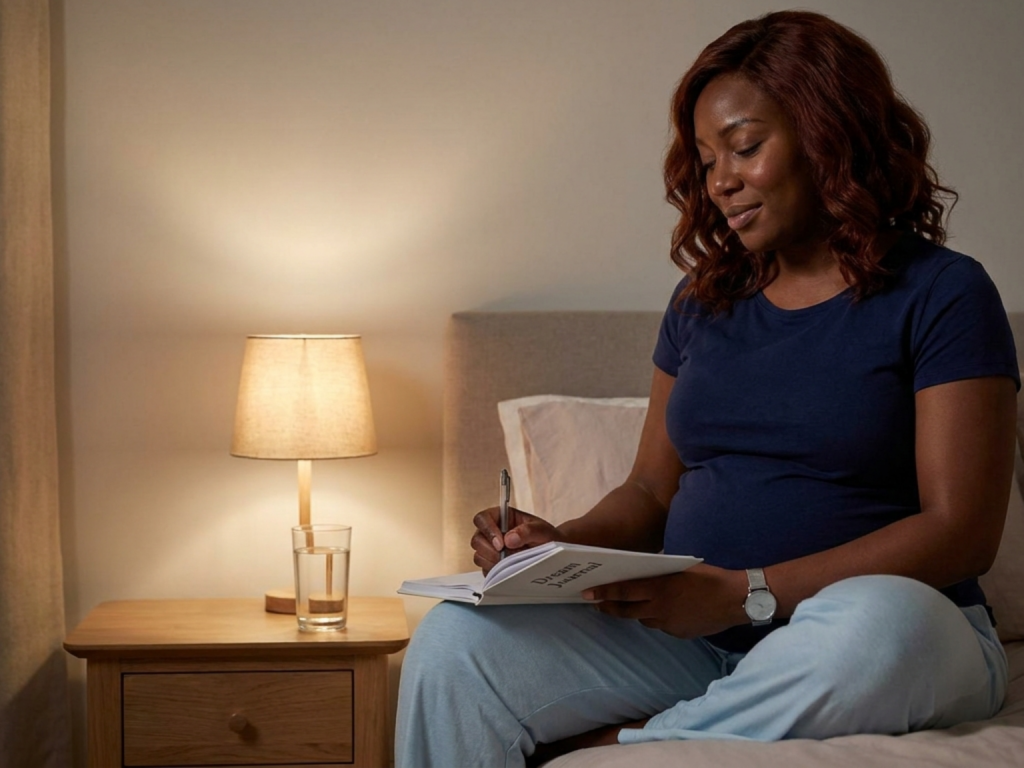
Many pregnant people notice that their dreams become more intense, stranger, or easier to remember and then wonder whether those dreams are trying to tell them something about the pregnancy. That question is understandable. Pregnancy brings real physiologic changes in sleep, mood, and memory, and dreams often feel emotionally vivid.
The short answer is that dreams can sometimes reflect sleep disruption or emotional stress, but they are not a reliable medical test for predicting pregnancy outcome. Research suggests associations between dream patterns and aspects of pregnancy, yet those associations are much weaker than a true predictive marker would need to be.
Highlights
Dreams often become more vivid in pregnancy because sleep is lighter, more fragmented, and emotionally charged.
Current research shows associations between dream content and mood or sleep quality, but not a dependable way to predict pregnancy outcome.
A single unsettling dream does not diagnose miscarriage risk, labor complications, or postpartum depression.
Recurring nightmares or severe sleep disruption may be a clue to stress, anxiety, or depression and deserve clinical attention.
Dreams are best used as a conversation starter, not as a substitute for prenatal monitoring or medical assessment.
What dreams can and cannot tell you
Dreams can feel uncannily specific, especially in pregnancy, when bodily changes, expectations, and fears are all active in the background. But feeling meaningful is not the same as being predictive. A dream is a subjective mental experience shaped by memory, attention, emotion, and sleep architecture. It can reveal what the brain is processing, but it cannot reliably forecast a pregnancy result such as miscarriage, preterm birth, labor duration, fetal wellbeing, or postpartum mood disorder.
In medical terms, prediction requires reproducible evidence that a sign or test meaningfully estimates a future outcome. Dream content has not met that standard. Pregnancy can produce vivid dreams in pregnancy for many reasons, including more nighttime awakenings and a lighter sleep state. A frightening dream may simply reflect that you were stressed, uncomfortable, or roused from REM sleep, the stage most associated with dreaming. It may be emotionally true without being medically informative.
That said, dreams are still worth noticing. They can point toward sleep loss, anxiety, grief, or body discomfort. The distinction is important: dreams may be a signal of your state of mind, but they are not a diagnostic tool and should not be used to self-assess pregnancy outcome.
What the research actually shows
The best overview comes from a recent systematic review of 17 studies on mental sleep activity during pregnancy. Across those studies, pregnancy was commonly associated with more dream recall, more nightmares, and more pregnancy-related dream content. That pattern is interesting, but it is not the same as proof of prediction. Most studies were observational, used small samples, and measured dream features and pregnancy variables at the same time or near the same time. That design can show association, but it cannot establish that dreams cause or reliably forecast an outcome.
One study looked specifically at whether dreams during pregnancy could predict postpartum depression. The findings were nuanced: dream content differed between groups, but the pattern did not support the simple idea that unpleasant dreams alone predict postpartum depression. In other words, dream tone may correlate with emotional state, yet it is not a stand-alone screening test.
Another observational study reported a relationship between dream activity, emotional state, and labor duration. The authors suggested that dream activity might help clinicians assess emotional state and possibly anticipate repercussions on labor. Even so, that is a far cry from saying a dream can predict how a pregnancy will end. The evidence is suggestive, not definitive, and it should be interpreted cautiously.
Why pregnancy can intensify dreams
Pregnancy changes sleep in ways that naturally make dreams more noticeable. Many people wake more often because of nocturia, reflux, pelvic pressure, fetal movement, or musculoskeletal discomfort. When awakenings occur during or soon after REM sleep, dream recall becomes more likely. That is one reason why dream recall after nighttime awakenings is so common in pregnancy.
Hormonal shifts may also contribute indirectly. Progesterone, estrogen, and changes in respiratory and autonomic regulation can alter sleep continuity and the subjective quality of rest. Fragmented sleep does not create prophecy; it simply gives the brain more opportunities to retain dream imagery. Emotional salience matters too. Pregnancy is a period of heightened anticipation, and the brain tends to work through concerns that are especially relevant to safety, attachment, identity, and birth. This is why dream themes may center on the baby, the body, the labor room, or loss of control.
In practical terms, vivid dreams can be an expected byproduct of sleep fragmentation in pregnancy. That does not make them meaningless, but it does mean they are often better understood as reflections of a changing sleep environment rather than messages about the future.
When dreams may reflect emotional strain
Although dreams do not reliably predict pregnancy outcome, they can sometimes flag emotional strain. Recurrent nightmares, disturbing imagery, or dream-related awakenings may accompany anxiety, depression, trauma reminders, or persistent worry about the pregnancy. If dreams are becoming a pattern and you are also feeling down, panicky, numb, or unable to rest, the dream content may be less important than the distress surrounding it.
This is where clinical caution matters. Mental health symptoms in pregnancy are common and treatable, and they deserve the same seriousness as physical symptoms. A clinician may ask about sleep quality, mood, intrusive thoughts, prior trauma, relationship stress, and safety. Those questions are not about judging the dream itself; they are about understanding the broader context.
It is also worth separating worry from prediction. A nightmare about bleeding does not mean bleeding will occur. A dream about a difficult birth does not mean the labor will be complicated. Yet if the dream keeps recurring and leaves you exhausted or fearful, it may be a useful prompt to seek support, because sleep disruption and untreated anxiety can affect wellbeing even when the dream content itself is not predictive.
How to think about your dreams without over-interpreting them
The most useful approach is to look for patterns rather than symbols. One vivid dream after a stressful appointment, a bad night of reflux, or a difficult conversation is usually not clinically meaningful. Repeated nightmares over several weeks, especially if paired with insomnia or daytime anxiety, may be more informative because they suggest ongoing arousal or stress.
If you want to track dreams, keep the record simple: note the date, how many times you woke up, how rested you felt, whether there was a major stressor, and whether the dream was emotionally intense. This kind of sleep diary can help you and your clinician see whether there is a pattern of poor sleep quality or escalating worry. It is not a test, and it should never replace prenatal surveillance such as blood pressure checks, symptom review, ultrasound when indicated, or fetal movement assessment in the later stages of pregnancy.
Try not to assign medical meaning to dream symbols in isolation. Pregnancy is a period when the brain naturally amplifies relevant concerns. The more useful question is not, What does this dream predict? but, What does my sleep and emotional state need right now?
Bottom line: meaningful, not predictive
Dreams in pregnancy are common, often vivid, and sometimes emotionally powerful. They can reflect fragmented sleep, hormonal change, or the mental load of preparing for birth and parenting. Research supports associations between dream features and sleep quality or emotional state, but it does not support dreams as a reliable way to predict pregnancy outcome.
If you notice vivid dreams in pregnancy, especially if they are paired with frequent awakenings, anxiety, low mood, or trauma-related thoughts, the dream itself may be less important than the fact that you are struggling. In that situation, bringing it up with an obstetric clinician, midwife, or mental health professional can be helpful. The goal is not to decode the dream; it is to support your sleep, emotional wellbeing, and prenatal care.
So, can dreams predict pregnancy outcome? In a medical sense, not reliably. In a human sense, they can still be valuable because they reveal what your mind and body are coping with. That information can guide support, but it should not be treated as a forecast.
When to seek medical advice
- Recurring nightmares that leave you unable to sleep or function.
- Dreams accompanied by persistent anxiety, panic, low mood, or hopelessness.
- Any intrusive thoughts about self-harm, harm to the baby, or feeling unsafe.
- Sleep problems together with bleeding, pain, fluid leakage, reduced fetal movement, or other obstetric warning signs.
Tools & Assistance
- Prenatal visit with your obstetric clinician or midwife
- Perinatal mental health screening through your maternity team
- Simple sleep and dream diary to track awakenings, mood, and triggers
- Urgent obstetric assessment if you have bleeding, pain, fluid leakage, or reduced fetal movement
FAQ
Can a dream tell me if my pregnancy is healthy?
No. Dreams may reflect stress or sleep disruption, but they cannot reliably tell you whether a pregnancy is healthy.
Do bad dreams mean miscarriage or labor problems are coming?
Not by themselves. A nightmare is not a medical predictor of miscarriage, preterm labor, or labor complications.
Are vivid dreams normal in pregnancy?
Yes, they are common. Fragmented sleep and emotional processing often make dreams more vivid and easier to remember.
Should I mention recurring dreams to my doctor or midwife?
Yes, if they disturb sleep, increase anxiety, or occur with low mood or trauma symptoms. The pattern may help guide support.
Sources
- Springer / Dreaming — Can Dreams During Pregnancy Predict Postpartum Depression?
- PubMed / Elsevier — A systematic review of mental sleep activity during pregnancy
- PubMed / Psychiatry Research — Emotional state and dreams in pregnant women
Disclaimer
This article is for general information only and is not a substitute for personalized medical advice, diagnosis, or treatment. If you have concerns about your pregnancy, sleep, mood, or fetal wellbeing, please contact a qualified healthcare professional.
















Please log in to leave a comment.