
Intro
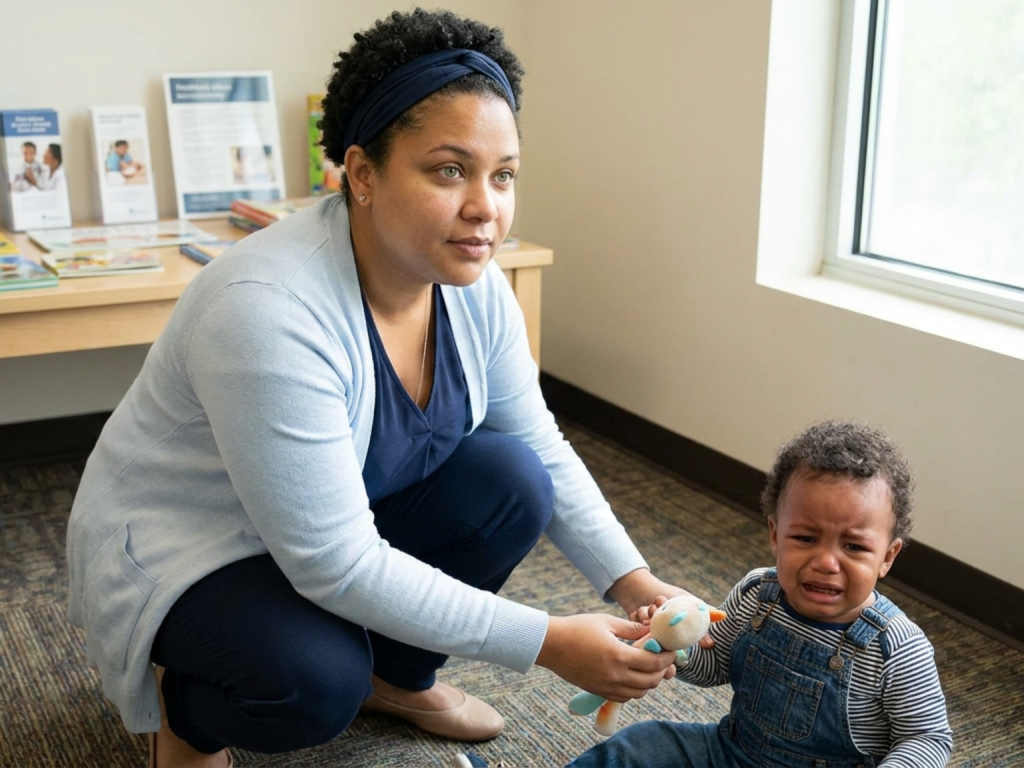
Toddler tantrums can be exhausting, public, loud, and emotionally painful for everyone involved. They are also one of the most common ways young children express overload before they have the language, impulse control, and cortical regulation needed to manage strong feelings reliably.
Most tantrums are part of typical early childhood development, not a sign of poor parenting or a child being intentionally difficult. Still, certain patterns, such as frequent aggression, self-injury, very long episodes, or loss of skills, deserve careful discussion with a pediatrician or qualified child mental health professional.
Highlights
Tantrums are usually a developmental expression of immature emotional regulation, limited language, fatigue, hunger, frustration, or sensory overload.
Research suggests tantrum patterns matter: frequent tantrums may relate more to externalizing behaviors, while prolonged tantrums may be more associated with internalizing difficulties.
Consistency, predictable routines, limited choices, and calm adult responses can reduce the intensity and frequency of many tantrums.
Aggressive, self-injurious, very frequent, or prolonged tantrums should prompt professional guidance, especially if they affect safety or daily functioning.
What a tantrum is developmentally
A toddler tantrum is an acute behavioral and emotional episode in which a young child loses the ability to regulate distress, anger, frustration, or overstimulation. It may include crying, screaming, stiffening, dropping to the floor, kicking, breath-holding, throwing objects, or refusing comfort. Although the behavior can look deliberate, the neurodevelopmental picture is usually more complex: the child’s limbic arousal is high, while the prefrontal systems responsible for inhibition, planning, flexible thinking, and emotional modulation are still immature.
Between about 1 and 3 years of age, children are developing autonomy faster than they are developing self-control. They want to choose, move, communicate, and influence their environment, but their language and executive function are limited. A toddler may know what they want but not have the words to explain it, the patience to wait, or the cognitive flexibility to tolerate a change in plan. This mismatch is one reason tantrums are so common in early childhood.
Tantrums are not automatically manipulative. A child may learn that certain behaviors change adult responses, but the initial episode is often a stress response. The practical goal is not to shame the child out of having feelings; it is to keep everyone safe, reduce reinforcement of unsafe behavior, and gradually teach more adaptive coping.
Why tantrums happen
Tantrums often arise from ordinary biological and environmental triggers. Hunger, fatigue, illness, pain, overstimulation, transition stress, and frustration can all lower a toddler’s threshold for dysregulation. Many episodes occur when a child is asked to stop a preferred activity, wait, share, leave a place, accept a limit, or manage disappointment. These are real regulatory demands for a young nervous system.
Language also matters. A child with limited expressive language may scream or hit because they cannot yet say, “I need help,” “That scared me,” or “I am not done.” Receptive language is important too: if a toddler does not fully understand an instruction, the adult’s expectation may feel sudden or unfair. Concerns about speech and language development are worth discussing with a pediatrician, especially when tantrums seem driven by persistent communication frustration.
Sensory processing can contribute as well. Bright lights, loud spaces, crowded stores, scratchy clothing, or unexpected touch may overwhelm some children. This does not mean every intense tantrum reflects a sensory disorder, but it does mean context is clinically useful. Patterns across time help: what happened before the tantrum, how long it lasted, what helped recovery, and whether the child returned to baseline afterward.
Caregiver stress is another part of the system, not a source of blame. Adults who are sleep-deprived, rushed, worried, or publicly embarrassed naturally find it harder to stay regulated. Because young children borrow regulation from adults, a calm, predictable response is often more effective than a long explanation during the peak of the episode.
What research suggests about tantrum patterns
Studies of tantrums in toddlers and preschoolers show that not all tantrums carry the same meaning. One research model describes tantrum behavior in terms of high anger, intermediate anger, low anger, distress, and coping style. In practical terms, a child’s episode may be dominated by rage, sadness, helplessness, avoidance, or attempts to regain control. Looking at the pattern is more informative than judging a single outburst in isolation.
Research also suggests that frequency and duration may point toward different types of difficulty. Higher tantrum frequency has been associated with more externalizing problems, such as aggression or disruptive behavior. Longer tantrum duration has been associated with more internalizing problems, such as anxiety-related distress. These associations do not diagnose a child, but they help explain why clinicians ask how often tantrums happen, how long they last, and what behaviors occur during them.
Another important finding is that aggressive or self-injurious tantrum profiles can predict more adjustment challenges later than low-intensity tantrums. Behaviors such as repeated hitting, biting, head banging, purposeful self-harm, or destruction of property deserve attention because they increase safety risk and may signal that the child needs more structured support.
Clinical research has proposed practical markers for potentially problematic tantrums, including aggressive physical behavior, episodes lasting more than 15 minutes, and tantrums occurring more than three times per week. These thresholds are not a substitute for clinical judgment. A pediatrician will consider age, developmental level, sleep, medical symptoms, family stressors, neurodevelopmental concerns, and whether the behavior interferes with childcare, preschool, family routines, or safety.
How to respond in the moment
During a tantrum, the first priority is safety. Move dangerous objects away, block hitting or biting calmly, and prevent the child from running into unsafe areas. Use fewer words than you think you need. A dysregulated toddler usually cannot process a lecture, a moral lesson, or a complex explanation. Short phrases such as “I will keep you safe,” “I won’t let you hit,” or “You are upset; I am here” are more useful.
Staying calm does not mean giving in. If the limit is necessary, keep it steady. For example, if the tantrum began because the child wanted to run into the street or skip a car seat, the answer remains no. If the issue is flexible, such as which shirt to wear, offering two acceptable choices may help the child regain a sense of control. The distinction matters: safety limits should be firm, while low-stakes preferences can often be negotiated.
Redirection can work best early, before the tantrum peaks. A change of activity, a snack, a quiet corner, or a simple job such as carrying a small item may help a toddler shift attention. Once the episode is intense, waiting nearby with a calm presence may be more effective. Some children want comfort; others need physical space. Follow the child’s cues while maintaining safety.
Timeouts can be appropriate when used as a brief, predictable pause from reinforcement, not as humiliation or isolation. They should be short, calm, and age-appropriate. For many toddlers, a “time-in” works better: the adult stays close while reducing stimulation and helping the child settle. After recovery, reconnect briefly. A simple statement such as “You were very mad. You wanted the toy. Hitting hurts. Next time, say help” teaches more than a long postmortem.
Prevention through routines and choices
Prevention does not eliminate tantrums, but it can reduce their frequency and intensity. Predictable sleep, regular meals, transition warnings, and realistic expectations protect a toddler’s limited regulatory capacity. Many difficult episodes occur during predictable pressure points: before meals, near nap time, during errands, at bedtime, or when adults are trying to hurry. Planning around these windows is often more effective than expecting a tired toddler to cope like an older child.
Daily routines help because they reduce uncertainty. A child who knows the sequence of events, such as breakfast, clothes, shoes, then daycare, has fewer surprises to resist. Visual routines, simple countdowns, and repeated phrasing can support transitions. The goal is not rigid control; it is making the day easier for an immature nervous system to predict.
Choices are powerful when they are limited and genuine. “Do you want the blue cup or the green cup?” is easier than “What do you want?” and safer than offering a choice where no choice exists. Toddlers often cooperate better when they can exercise autonomy inside adult-set boundaries.
Caregivers can also watch for early signs of escalation: whining, clinginess, refusal, frantic activity, or repeated demands. Intervening at this stage with food, rest, sensory reduction, help with language, or a change of pace may prevent a full tantrum. Over time, naming feelings in ordinary moments builds vocabulary: “You look frustrated,” “Waiting is hard,” or “You wanted more time.” These labels support emotional regulation, but they work best when practiced outside the peak of distress.
When to seek professional help
Most toddlers have tantrums, and many go through phases when they are more intense. Professional input is appropriate when episodes are unusually frequent, prolonged, aggressive, self-injurious, or disruptive to basic functioning. Consider speaking with a pediatrician if tantrums commonly last more than 15 minutes, occur more than three times per week in a severe form, involve repeated injury risk, or leave the child unable to recover for a long time afterward.
Medical factors can also amplify tantrums. Pain, constipation, sleep disorders, recurrent ear infections, medication effects, seizures, hearing or vision problems, and other health issues may affect behavior. Developmental factors may include language delay, autism spectrum traits, global developmental delay, anxiety, trauma exposure, attention-related difficulties, or sensory processing challenges. These possibilities require assessment, not assumptions.
It is also worth seeking help if caregivers feel afraid of the child’s behavior, are using harsh discipline they do not feel comfortable with, or feel unable to maintain safety. Support may include pediatric evaluation, developmental screening, parent-child interaction therapy, behavioral consultation, early intervention services, or referral to a child psychologist or developmental-behavioral pediatrician.
Keeping a brief tantrum log can make the clinical visit more useful. Note the child’s age, triggers, time of day, duration, behaviors, adult response, recovery time, sleep, meals, illness, and setting. Patterns often reveal modifiable triggers and help distinguish typical developmental tantrums from episodes that need more structured intervention.
Seek urgent guidance if
- A child repeatedly tries to seriously hurt themselves or others during tantrums.
- Tantrums are accompanied by loss of consciousness, seizure-like activity, or concerning breathing episodes.
- Episodes regularly last longer than 15 minutes or happen in severe form more than three times per week.
- There is loss of previously acquired language, motor, social, or adaptive skills.
- Caregivers feel unable to keep the child or others safe.
Tools & Assistance
- Keep a simple tantrum log with triggers, duration, behavior, and recovery.
- Discuss persistent or severe tantrums with the child’s pediatrician.
- Ask about developmental surveillance and screening when communication, social, or motor concerns are present.
- Use predictable routines, transition warnings, and limited choices.
- Seek parent-child behavioral support or early intervention services when recommended.
FAQ
Are toddler tantrums normal?
Yes. Many tantrums are a normal part of early childhood because toddlers have immature emotional regulation and limited communication skills. The pattern, severity, and safety risks matter.
Should I ignore a tantrum?
Selective ignoring may help for minor attention-seeking behavior, but safety and emotional support still matter. Stay calm, prevent harm, and avoid giving in to unsafe or unreasonable demands.
How long is too long for a tantrum?
Episodes lasting more than 15 minutes, especially if frequent or aggressive, are considered atypical in some clinical research and should be discussed with a healthcare professional.
Can tantrums mean anxiety or another condition?
Sometimes. Long, intense, or hard-to-recover tantrums can be associated with internal distress, communication difficulties, developmental concerns, or medical issues. A clinician can help evaluate the broader picture.
What should I say after a tantrum?
Keep it brief and concrete: name the feeling, restate the limit, and offer a better behavior for next time. Toddlers learn best from short, repeated messages after they are calm.
Sources
- National Institutes of Health (NIH) / PubMed Central — Temper Tantrums in Toddlers and Preschoolers
- Mayo Clinic — Temper tantrums in toddlers: How to keep the peace
- Korean Society of Pediatrics / Clinical and Experimental Pediatrics — Characteristics of temper tantrums in 1–6-year-old children and problematic tantrum definition
Disclaimer
This article is for general educational information and is not a diagnosis or treatment plan. Consult a pediatrician or qualified child health professional for concerns about a child’s behavior, development, or safety.


















Please log in to leave a comment.