
Intro
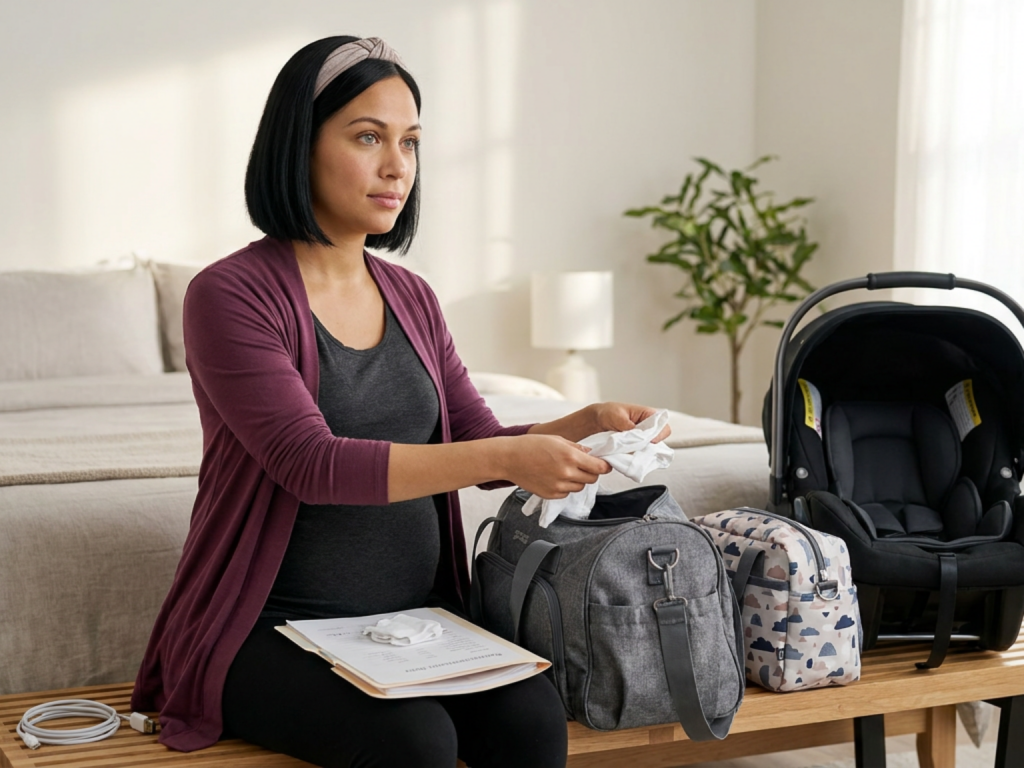
Packing a hospital bag is one of those practical birth preparations that can make the transition from home to labor ward feel calmer. You do not need to pack for every possible scenario, but having key documents, comfort items, postpartum supplies, newborn essentials, and partner support items ready can reduce decision fatigue when contractions, induction, or a planned admission begins.
This checklist is designed for a medically literate reader who wants both completeness and realism. Hospitals and birth centers vary in what they provide, so use this as a structured starting point and confirm details with your maternity unit, midwife, obstetrician, or pediatric care team.
Highlights
Pack the bag by around 36 weeks, or earlier if you have risk factors for preterm birth, live far from the hospital, or have a scheduled induction or cesarean birth.
Prioritize identification, maternity records, medication lists, comfortable clothing, postpartum hygiene items, and feeding supplies.
For the baby, the most important going-home item is a correctly installed infant car seat; many hospitals provide nappies, wipes, blankets, and basic newborn supplies during the stay.
The partner or support person needs their own practical kit, including snacks, toiletries, chargers, and items that help them stay present and rested.
Keep medical caution in mind: packing does not replace individualized advice from your maternity care team, especially for high-risk pregnancies or surgical births.
When to pack and how to organize the hospital bag
Aim to have your hospital bag mostly ready by 36 weeks of gestation. If you have a history of preterm labor, multiple pregnancy, placenta-related concerns, hypertensive disease, diabetes requiring closer surveillance, or a long journey to the birth unit, consider packing earlier after discussing timing with your healthcare team. For scheduled induction or planned cesarean birth preparation, confirm the admission time, fasting instructions if applicable, and what your unit recommends bringing.
Use two or three smaller bags rather than one overfilled suitcase. A labor bag can hold documents, comfort items, drinks, snacks, and immediate clothing. A postpartum bag can contain toiletries, feeding supplies, underwear, and going-home clothes. A baby bag can be kept simple and focused on the journey home. Label internal pouches so your partner can find items quickly without asking you during contractions.
Place the most time-sensitive items at the top: photo ID, insurance or hospital card if used in your system, maternity notes, birth preferences, medication list, and phone charger. If you have a hospital birth plan, keep it concise and clinically useful, including allergies, relevant obstetric history, preferences for analgesia, consent discussions, cord clamping, skin-to-skin contact, infant feeding, and newborn medications where local practice allows choice.
Documents, clinical information, and admission essentials
Your documents help the team confirm identity, review risk factors, and avoid delays. Bring photo identification, insurance information if relevant, hospital registration forms, maternity records, antenatal test results if held by you, and any referral or induction paperwork. If you have a written birth plan, include one or two printed copies, but remember that labor is dynamic and clinical recommendations may change if maternal or fetal status changes.
Pack a current medication list with doses, timing, and indication. Include prescribed medications only as directed by your care team; some hospitals prefer to dispense medications from their own pharmacy for safety and documentation. Note drug allergies, latex sensitivity, previous anesthetic complications, blood group concerns, anticoagulant use, insulin regimen, or significant medical conditions such as epilepsy, cardiac disease, asthma, or thrombophilia.
- Phone and long charging cable or power bank
- Glasses, contact lens supplies, and hearing aids if used
- Small amount of cash or a payment card for parking, vending machines, or cafeteria purchases
- Reusable water bottle, preferably with a straw or sports cap
- Copies of relevant hospital phone numbers and emergency contacts
If you are preparing a hospital bag for surgical birth, ask whether you need compression stockings, a specific postoperative binder, or nothing beyond standard postpartum clothing. Do not buy medical devices unless recommended; inappropriate compression or wound products can cause discomfort or skin problems.
What mom may need during labor
Labor items should support mobility, hydration, thermoregulation, and coping. Choose a loose nightdress, large T-shirt, or hospital gown depending on your preference and the unit’s monitoring needs. If you want to move around, pack non-slip socks or slippers with tread; wet floors, epidural-related leg weakness, and fatigue can increase fall risk. A lightweight robe or cardigan is useful for walking the corridors or transferring between rooms.
Comfort measures are highly individual. Some people appreciate a familiar pillow, lip balm, hair ties, a handheld fan, massage oil if permitted, heat packs approved by the facility, headphones, playlists, or a small speaker. If you are considering nonpharmacologic coping strategies, bring items that support breathing, positioning, counter-pressure, and relaxation, while staying flexible if continuous monitoring, intravenous access, or medical intervention becomes necessary.
- Labor clothing that allows abdominal access for fetal monitoring and back access if epidural analgesia is planned
- Non-slip footwear for walking and bathroom trips
- Hair ties, lip balm, tissues, and face wipes
- Approved snacks or glucose-containing drinks if your unit allows oral intake
- Comfort object such as pillowcase, eye mask, or headphones
Do not pack strong fragrances or large electrical devices without checking hospital policy. Some maternity units restrict candles, essential oil diffusers, heating devices, or plug-in appliances for safety reasons. If you plan hydrotherapy during labor, ask whether you should bring a bikini top, dark sports bra, or towel, although many units provide towels.
Postpartum items for mom
After birth, the body is recovering from major physiologic change, perineal stretching or laceration repair, possible operative birth, uterine involution, lochia, fluid shifts, and the start of lactogenesis if breastfeeding. Pack for comfort, easy examination, and hygiene rather than appearance. High-waisted, soft underwear is often useful after both vaginal and cesarean birth because it avoids rubbing the perineum or incision area. Choose dark, breathable fabrics and a larger size than usual.
Hospitals often provide maternity pads, mesh underwear, peri bottles, and basic analgesic protocols, but availability varies. You may want to bring maternity pads, unscented wipes, a perineal spray if already recommended by your clinician, nipple cream, nursing pads, and a supportive nursing bra or soft bra. If you are at risk for hemorrhoids or have a history of severe constipation, ask your clinician what postpartum bowel regimen is appropriate rather than self-prescribing.
- Two or three front-opening nightgowns or loose pajamas
- High-waisted underwear and maternity pads
- Nursing bras, breast pads, and nipple cream if breastfeeding
- Toiletries: toothbrush, toothpaste, deodorant, shampoo, conditioner, moisturizer, and hairbrush
- Going-home outfit that is loose around the abdomen and pelvis
For cesarean birth, prioritize clothing that does not press on the lower abdomen. A loose dress, high-waisted leggings with a soft waistband, or maternity joggers may be more comfortable than low-rise trousers. Avoid applying creams, powders, or dressings to an incision unless instructed. If you have severe pain, fever, heavy bleeding, dizziness, wound separation, calf swelling, chest pain, or shortness of breath, seek urgent assessment rather than relying on home supplies.
Feeding supplies and newborn care preferences
Feeding plans deserve practical support without pressure or judgment. If you plan to breastfeed or chestfeed, pack comfortable bras, breast pads, nipple cream, and clothing that opens at the front. You generally do not need to bring a breast pump unless your maternity unit specifically asks you to, you have an established pumping plan, or your lactation team recommends it. Early feeding challenges can be common; ask for skilled help with latch, positioning, hand expression, and infant weight monitoring.
If you plan to formula feed, ask your hospital what formula and equipment are provided. Some units require parents to bring ready-to-feed formula and sterile teats, while others supply them. Powdered formula is usually less convenient in hospital because safe preparation requires precise water temperature, hygiene, and storage conditions.
Newborn care preferences may include skin-to-skin contact, delayed cord clamping when clinically appropriate, vitamin K administration route where options exist, newborn blood spot screening, hearing screening, and safe sleep practices. Keep these preferences clear and discuss them antenatally. A checklist is helpful, but clinical stability of the baby and birthing parent always comes first.
Hospital bag checklist for baby
Newborns need surprisingly little in hospital. Most maternity units provide basic nappies, wipes or cotton wool, blankets, and hats, though this varies. The baby bag should focus on clothing, warmth, safe transport, and any items your unit specifically requests. Pack sizes flexibly: some term newborns fit newborn size, while others need 0–3 months from the start.
- Two to four sleepsuits or footed sleepers
- Two to four vests or bodysuits
- Newborn hat, mittens, and socks or booties, especially for the journey home
- Nappies and wipes if your hospital asks parents to provide them
- Receiving blanket or cellular blanket
- Weather-appropriate going-home outfit
- Installed infant car seat suitable for the baby’s weight and height
The car seat is essential for leaving by car. Install it before labor if possible and learn how to adjust the harness, recline angle, and newborn insert according to the manufacturer’s instructions. Bulky coats or thick blankets should not sit under the harness because they can impair restraint in a crash; use layers over the secured harness if warmth is needed.
Avoid overpacking toys, large blankets, pillows, or loose sleep items. Newborn safe sleep guidance favors a firm, flat sleep surface without loose bedding, pillows, or soft objects. If your baby is premature, low birth weight, or expected to need neonatal care, ask the neonatal team what clothing or supplies are appropriate.
What the partner or support person should pack
The partner or support person is not a visitor in the emotional sense; they are often an essential part of communication, comfort, advocacy, and logistics. Their bag should allow them to remain present without repeatedly leaving the room. Include snacks, refillable water bottle, toiletries, comfortable layers, phone charger, medication they normally take, glasses or contacts, and payment for parking or food.
Labor can be long, and induction may take more than a day. A change of clothes, deodorant, toothbrush, and a compact pillow can make a real difference. If they are responsible for photos, pack a charger and confirm hospital policy about filming procedures, staff, or operative birth. Privacy and consent apply to everyone in the room.
- Snacks with protein and carbohydrates
- Reusable water bottle or electrolyte drink if desired
- Comfortable clothes and warm layer
- Toiletries and any regular medications
- Phone, charger, power bank, and parking payment method
- List of key contacts and agreed communication plan
It is also helpful for the support person to know the birth plan, location of packed items, and urgent maternal warning signs. They should feel empowered to call staff if there is heavy bleeding, severe headache with visual symptoms, chest pain, difficulty breathing, fainting, seizures, sudden severe abdominal pain, or a concerning change in mental status.
Adjusting the checklist for induction, cesarean, or longer stay
For induction of labor, pack extra entertainment and comfort items because cervical ripening and early induction can take time. A tablet, book, headphones, sleep mask, and additional snacks for the partner can help. Ask what you may eat during induction, because recommendations can change if there is a higher likelihood of operative birth or anesthesia.
For planned cesarean or higher likelihood of surgical birth, think about postoperative mobility and wound comfort. Loose high-waisted clothing, slip-on shoes, and an easy-to-reach toiletry pouch are useful. Follow fasting instructions exactly and ask about medications on the morning of surgery, especially insulin, anticoagulants, antihypertensives, or reflux medication. Do not shave the surgical area unless specifically instructed, as shaving can increase skin irritation.
For a longer admission, arrange a home restock rather than packing a week’s worth of items. Your partner can bring additional clothes, nappies, or feeding supplies later. Keep valuables minimal. The best hospital bag is not the biggest one; it is the one that gives you access to the right item at the right moment while leaving space for clinical care, movement, and rest.
When packing is not enough
- Call your maternity unit urgently for reduced fetal movement, heavy vaginal bleeding, or severe abdominal pain.
- Seek immediate help for severe headache with visual changes, chest pain, difficulty breathing, seizures, or fainting.
- After birth, urgent symptoms include heavy bleeding, fever, worsening wound pain, calf swelling, or thoughts of self-harm.
- Follow your care team’s advice for preterm labor symptoms, ruptured membranes, or green or brown amniotic fluid.
- Do not delay care to finish packing; documents and supplies can be brought later.
Tools & Assistance
- Ask your hospital or birth center for its current packing policy
- Install and check the infant car seat before the due date
- Create labeled pouches for labor, postpartum, baby, and partner items
- Keep maternity triage and emergency contact numbers accessible
- Review your birth preferences with your clinician before admission
FAQ
When should I have my hospital bag ready?
Many people aim for around 36 weeks, but earlier packing may be sensible for high-risk pregnancy, twins, previous preterm birth, or a long travel distance to the hospital.
Do I need to bring nappies and wipes?
Some hospitals provide them and some ask parents to bring their own. Check your local unit’s guidance and pack a small starter supply if unsure.
Should I bring a breast pump?
Usually not unless your healthcare team or lactation consultant has advised it. Hospitals can often provide pumps when clinically needed.
What is the one baby item I must not forget?
If you are traveling home by car, a suitable, correctly installed infant car seat is essential. Learn how to adjust it before the baby is born.
How much should the partner pack?
Enough for one or two days is usually practical: snacks, toiletries, clean clothes, medication, chargers, and payment for parking or food.
Sources
- NHS — Hospital bag checklist - Best Start in Life - NHS
- Cleveland Clinic — What To Pack in Your Hospital Bag: A Labor and Delivery Checklist
- American Pregnancy Association — Hospital Bag Checklist: Expert Packing List & Facts
Disclaimer
This article is for general educational purposes and does not replace medical advice. Always follow guidance from your midwife, obstetrician, pediatric clinician, or local maternity unit.















Please log in to leave a comment.