
Intro
Pain after a C-section can feel physically intense and emotionally discouraging, especially while you are also feeding, bonding with your baby, and adjusting to postpartum life. Because a cesarean birth is major abdominal and uterine surgery, some pain, fatigue, pulling, swelling, and limited mobility are expected in the early days.
Good pain control is not a luxury. It supports breathing, walking, breastfeeding or pumping, sleep, mood, and wound healing. The goal is to reduce pain enough for safe movement and recovery while watching for symptoms that need medical attention.
Highlights
Pain and tiredness are common after a C-section, particularly in the first days, but pain should gradually become more manageable rather than sharply worse.
Multimodal pain relief often combines non-opioid medicines, movement, incision support, rest, and individualized medical guidance.
Severe, worsening, one-sided, or infection-related pain should prompt contact with a healthcare professional.
Managing pain also means protecting recovery: avoid heavy lifting early, check the incision, hydrate, and pace activity.
Why C-section pain happens
A cesarean section involves incisions through the abdominal wall and uterus, separation of tissue layers, uterine contraction after birth, and repair of surgical wounds. Pain can come from the skin incision, deeper fascial and muscle irritation, uterine cramping, gas distension, bladder or bowel sensitivity, and the strain of changing positions while caring for a newborn.
Many people describe a burning or stinging sensation around the incision, a pulling feeling when standing upright, and cramping that intensifies during breastfeeding because oxytocin stimulates uterine contraction. Shoulder or upper abdominal discomfort may occur from trapped gas or referred pain after abdominal surgery. Numbness or tingling around the scar is also common because small cutaneous nerves are affected; sensation may change slowly over months.
Postoperative cesarean pain varies widely. Factors that may influence pain include whether labor occurred before surgery, emergency versus planned timing, operative duration, anesthesia type, previous abdominal surgery, sleep deprivation, anxiety, infection, and the pain medicines available. Research in a resource-constrained setting found postoperative pain was very common, and moderate to severe pain at 24 hours occurred frequently, highlighting why proactive pain assessment matters.
What pain is expected in the first days
In the hospital, pain is usually most noticeable when the anesthesia wears off and when you first get out of bed. The first 24 to 48 hours can be challenging, but carefully timed pain relief can make walking, deep breathing, and infant care more comfortable. Nurses and clinicians often ask for a pain score, but it is also helpful to describe function: whether you can stand, walk to the bathroom, cough, feed your baby, or sleep briefly.
Expected pain usually improves little by little. You may still feel sore when twisting, laughing, coughing, or lifting the baby from an awkward angle. Fatigue is common and can amplify pain sensitivity. Some swelling, bruising, or a firm ridge under the incision can occur during normal healing, but redness spreading outward, increasing warmth, pus-like drainage, fever, or worsening tenderness should be assessed.
By the time you go home, pain should be controlled enough that you can move safely, use the bathroom, eat and drink, and care for the baby with help. If pain suddenly escalates after initially improving, or if you feel unable to take deep breaths, walk, or pass urine, contact your maternity unit, obstetric clinician, or emergency service depending on severity.
Medication options and multimodal pain control
Medication decisions should be individualized, especially if you are breastfeeding, have kidney disease, stomach ulcers, high blood pressure, liver disease, bleeding concerns, medication allergies, or take anticoagulants. Many postpartum pain plans use multimodal analgesia, meaning medicines with different mechanisms are combined to improve relief while limiting side effects.
Commonly discussed options include acetaminophen, nonsteroidal anti-inflammatory drugs such as ibuprofen when medically appropriate, and stronger prescription medicines for breakthrough pain. Mayo Clinic notes that ibuprofen, acetaminophen, or other prescribed medicines may be used for pain relief after C-section, under professional guidance. Do not exceed label or prescription dosing, and avoid combining products that contain the same active ingredient unless a clinician confirms it is safe.
Evidence also supports opioid-sparing strategies. A UT Southwestern report described a scheduled non-opioid approach using NSAIDs that reduced opioid use by more than 75% compared with traditional morphine patient-controlled analgesia, while maintaining effective pain management. In that approach, opioids such as oxycodone or hydrocodone were reserved for pain not controlled by the scheduled regimen. This does not mean opioids are never appropriate; rather, postoperative cesarean pain control is often strongest when non-opioid foundations are optimized and stronger medicines are used carefully when needed.
If your pain medicine causes excessive sleepiness, nausea, constipation, dizziness, itching, confusion, or difficulty feeding or safely holding your baby, ask for help promptly. Never drive, drink alcohol, or take sedating medicines with opioids unless your clinician has specifically addressed safety.
Movement, rest, and protecting the incision
Rest is essential, but complete immobility can worsen stiffness, gas pain, constipation, and blood clot risk. Most people are encouraged to begin gentle walking as advised by their care team, often starting with short assisted trips to the bathroom or hallway. The aim is not exercise; it is circulation, lung expansion, and gradual confidence.
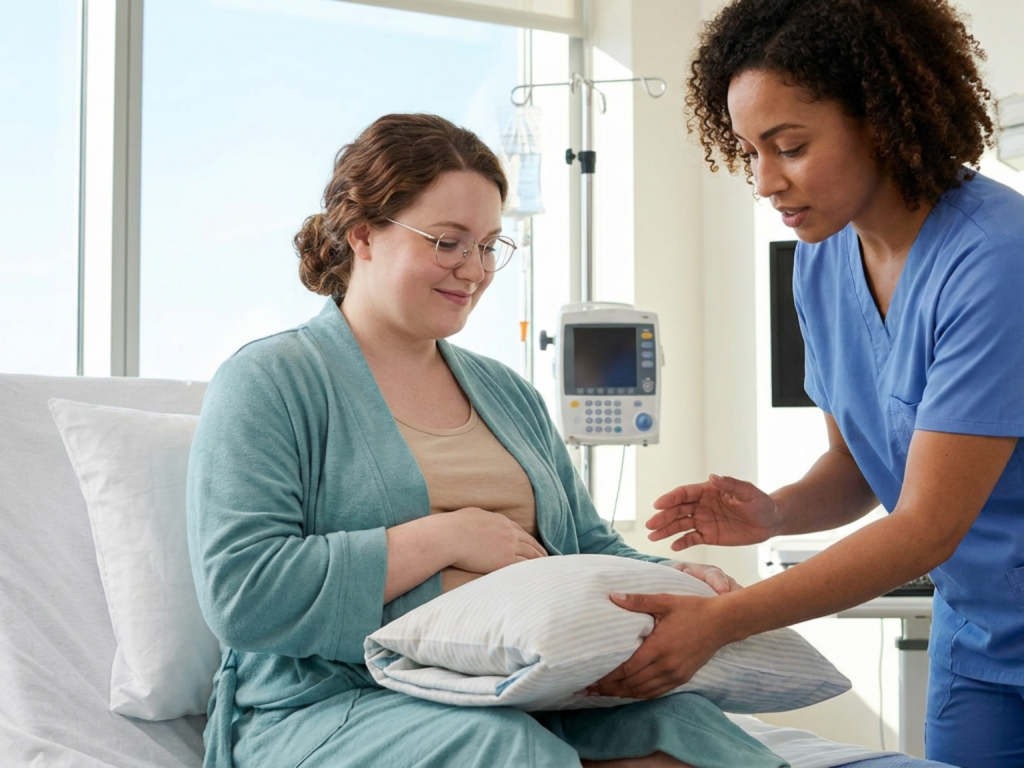
Use your hands or a small pillow to support the incision when coughing, laughing, sneezing, or standing. Roll onto your side before pushing up with your arms to get out of bed, rather than doing a sit-up. Keep commonly used baby supplies at waist height so you are not repeatedly bending or reaching. For the first couple of weeks, avoid lifting heavy items; many clinicians advise lifting nothing heavier than the baby unless they give different instructions.
Incision care is also pain care. Follow your discharge instructions about showering, dressings, steri-strips, and keeping the area clean and dry. Check the wound daily in good light if possible. Contact a healthcare professional if you notice increasing redness, swelling, warmth, separation of the wound edges, foul odor, drainage, fever, or pain that becomes more localized and intense.
Cesarean section recovery often improves when tasks are simplified. Accept help with meals, laundry, older children, pets, and transportation. Short naps, hydration, and protein-containing meals support healing, even if sleep is fragmented.
Feeding, posture, and everyday comfort
Breastfeeding, chestfeeding, pumping, or bottle-feeding can all strain the abdomen if posture is unsupported. Try positions that keep pressure off the incision, such as a side-lying position when safe and awake, or a football hold with pillows supporting the baby. Bring the baby to your body rather than curling your torso down toward the baby. If you use formula or expressed milk, set up feeding supplies where you can sit upright without twisting.
Breast engorgement, nipple soreness, uterine cramps during feeds, and back or neck tension can overlap with surgical pain. Treating only the incision may not fully solve the discomfort. Lactation support, better pillow placement, warm or cool compresses as appropriate, and attention to latch or pumping flange fit can reduce the total pain burden.
Constipation is another common amplifier of pain, particularly if opioids are used. Ask your clinician about stool softeners or laxatives if recommended for you, and prioritize fluids, fiber-containing foods, and gentle walking. Do not strain hard on the toilet; abdominal pressure can increase incision discomfort. If you cannot pass gas, have persistent vomiting, or develop severe abdominal distension, seek medical advice.
Emotional context matters too. Emergency surgery, difficult labor, inadequate pain relief, or feeling dismissed can make recovery feel frightening. Tell your care team if pain feels unmanageable or if you are having intrusive memories, panic, low mood, or trouble bonding. Pain management and mental health support can and should work together.
When pain may signal a complication
Most post-cesarean pain is part of healing, but some patterns need prompt assessment. Infection after cesarean birth may present with fever, chills, spreading redness, swelling, discharge, worsening incision pain, or a generally unwell feeling. Uterine infection can cause pelvic pain, foul-smelling lochia, fever, or uterine tenderness. Urinary infection may cause burning, urgency, fever, or back pain.
Blood clots after C-section are uncommon but serious. Seek urgent care for chest pain, shortness of breath, coughing blood, fainting, or a painful swollen calf or thigh, especially if one-sided. Severe headache, visual symptoms, right upper abdominal pain, sudden swelling, or high blood pressure readings may suggest postpartum hypertensive complications and should be addressed urgently.
Also call for heavy bleeding soaking pads rapidly, large clots, severe abdominal pain, wound opening, inability to urinate, persistent vomiting, or pain that is not relieved by the plan your clinician gave you. You do not need to prove that something is wrong before calling. Clear communication about timing, location, severity, associated symptoms, and medicines taken helps clinicians decide the safest next step.
How to discuss pain with your care team
If pain is interfering with breathing, walking, feeding, sleep, or caring for your baby, contact your healthcare professional rather than simply enduring it. A useful description includes where the pain is, whether it is sharp, burning, cramping, pressure-like, or throbbing, when it started, what worsens or relieves it, your temperature, wound appearance, bleeding pattern, and all medicines taken with times and doses.
Ask whether your current plan uses combination analgesia, whether doses should be scheduled or as needed, what side effects to watch for, and when to taper. If you are breastfeeding, ask which medicines are compatible with lactation in your specific situation. If you have a history of chronic pain, opioid use disorder, medication intolerance, or traumatic birth, say so early; individualized planning can prevent undertreatment and reduce risk.
Before discharge or at follow-up, clarify activity limits, driving guidance, wound care, constipation prevention, and who to call after hours. Pain after a C-section deserves compassionate, practical care. With the right support, most people gradually regain mobility and confidence while healing from birth and surgery.
Seek medical help promptly if
- Pain suddenly worsens, becomes severe, or is not controlled by your agreed plan.
- The incision has spreading redness, swelling, warmth, pus-like drainage, bad odor, or opens.
- You have fever, chills, foul-smelling lochia, heavy bleeding, or large clots.
- You develop chest pain, shortness of breath, fainting, or one-sided leg swelling or calf pain.
- You have severe headache, vision changes, right upper abdominal pain, or very high blood pressure readings.
Tools & Assistance
- Keep a simple pain and medication timing log to share with your clinician.
- Use pillows to support the incision during coughing, standing, and feeding.
- Arrange help with meals, laundry, older children, and transport during early recovery.
- Contact your obstetric team, maternity triage line, or emergency service for warning signs.
- Ask for lactation, physiotherapy, or mental health support if pain affects feeding, movement, or coping.
FAQ
How long does C-section pain usually last?
Pain is often strongest in the first few days and should gradually improve over weeks. Some tenderness, numbness, or pulling can last longer, but worsening pain should be assessed.
Is it safe to take pain medicine while breastfeeding?
Many pain medicines are compatible with breastfeeding, but safety depends on the drug, dose, your health, and the baby’s situation. Confirm your plan with a healthcare professional.
Should I avoid walking because it hurts?
Usually, gentle walking is encouraged as advised by your care team because it supports circulation and bowel function. Severe pain with movement needs medical review.
What can I do when coughing or laughing hurts?
Hold a pillow or folded blanket gently against the incision for support, change positions slowly, and keep pain relief timed as directed.
When can I lift heavier objects again?
Many clinicians recommend avoiding heavy lifting for the first couple of weeks, often limiting lifting to the baby. Follow your specific discharge instructions.
Sources
- Mayo Clinic — C-section recovery: What to expect
- UT Southwestern Medical Center — UTSW study finds new pain management approach reduced opioid use after C-sections
- National Institutes of Health / PubMed Central — Post-operative pain and associated factors after cesarean section at a resource-constrained setting
Disclaimer
This article is for general educational purposes and does not replace medical advice. Always consult your healthcare professional for diagnosis, treatment, medication choices, or urgent postpartum symptoms.















Please log in to leave a comment.