
Highlights
- Infertility is diagnosed when a woman has not conceived after 12 months of regular unprotected sex.
- There can be many causes of infertility, including lifestyle factors and medical conditions.
- A healthy lifestyle can improve fertility.
- If you experience infertility and want to have a child, various treatment options are available, including ovulation induction and IVF.
What is Infertility
Infertility is diagnosed when a woman has not conceived after 12 months or more of regular unprotected sex. Regular sex means having intercourse every 2 to 3 days throughout the month.
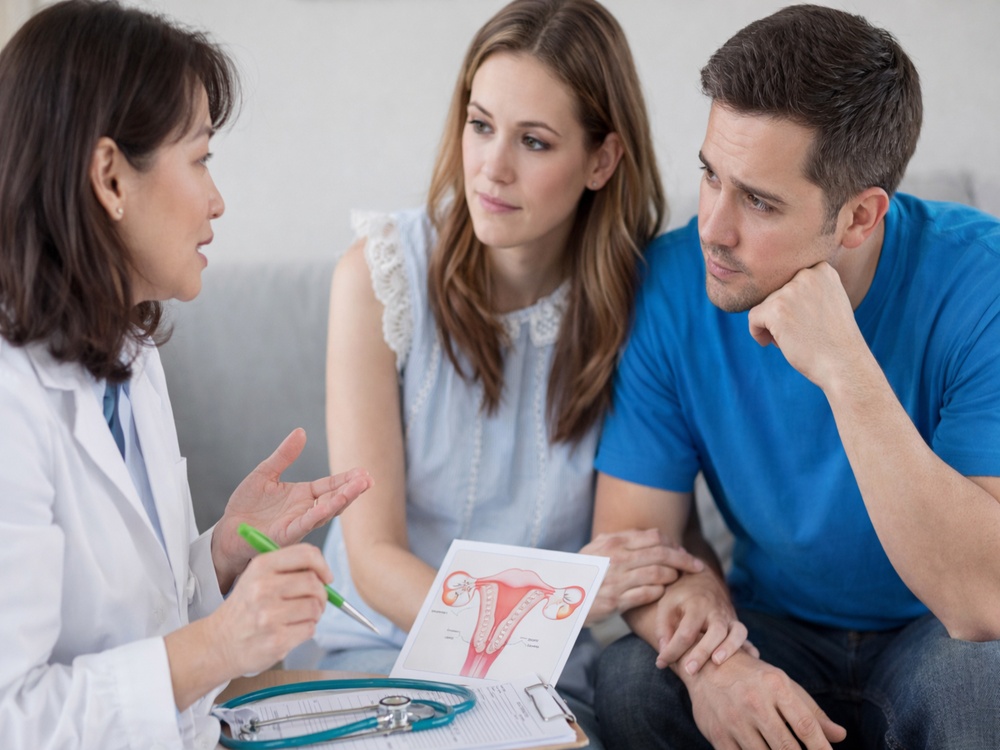
Infertility can be a stressful and frustrating experience. While it takes time for many people to conceive, some may need medical support. The good news is that many couples with fertility challenges eventually achieve pregnancy, with or without medical assistance.
Causes of Infertility
Infertility can affect both men and women.
In about one-third of cases, the issue lies with the woman.
In another third, the cause is male infertility.
The remaining cases result from a combination of factors in both partners or have no identifiable cause.
Common Causes of Infertility in Men and Women
- Age-related decline in fertility
- Smoking, excessive alcohol, drug use, or high caffeine intake
- Being overweight or underweight
- Sexually transmitted infections (STIs)
- Chronic medical conditions (such as diabetes, thyroid disorders, or autoimmune diseases)
- Genetic factors
Causes of Infertility in Women
- Ovulatory disorders
- Blocked or damaged fallopian tubes
- Endometriosis
- Polycystic ovarian syndrome (PCOS)
- Thick cervical mucus that prevents sperm from reaching the egg
- Uterine fibroids
- Hormonal imbalances
Causes of Infertility in Men
- Low sperm count
- Poor sperm movement or abnormal sperm shape
- Blocked tubes or ejaculation disorders preventing sperm release
- Testicular conditions, such as undescended testicles or testicular torsion
- Hormonal imbalances
Talking About Infertility With Your Partner
Trying to conceive can bring feelings of uncertainty, disappointment, and stress. Infertility may affect partners in different ways, and open communication is essential.
It’s helpful to discuss any concerns and express feelings honestly. If fertility struggles are causing tension in your relationship, consider seeking support from a doctor or counselor. Professional guidance can help both partners navigate this emotional journey together.
Improving Your Chances of Pregnancy
- Age: A woman’s fertility starts to decline from around age 32, and conception becomes increasingly difficult with age. Some women choose to freeze their eggs when they are younger to preserve fertility for the future. If this is something you are considering, consult a doctor for guidance.
- Weight: Weight plays a crucial role in fertility. Being overweight can disrupt hormone levels and make conception more difficult. On the other hand, being underweight may also impact ovulation. Maintaining a healthy weight and staying physically active can improve fertility.
- Alcohol, Smoking, and Drugs: Smoking negatively affects fertility in both men and women. The effects of smoking on fertility can last for years, but quitting improves reproductive health over time.
- Nutritional Supplements: For women, taking folic acid supplements can improve fertility and reduce the risk of birth defects. Additionally, maintaining a balanced diet rich in essential vitamins and minerals can support reproductive health.
- Tracking Ovulation: Understanding your ovulation cycle can increase your chances of conception. Ovulation usually occurs about 14 days before the next period, and this is the most fertile window. Using ovulation predictor kits or tracking basal body temperature can help identify the best time for conception.
Treatment Options for Infertility
If you experience infertility and want to conceive, several treatment options are available. The right choice depends on the underlying cause of infertility and personal circumstances.
- Addressing underlying conditions: Treating health issues such as endometriosis or STIs may restore fertility.
- Ovulation induction: Medications such as clomiphene citrate or hormonal injections can stimulate ovulation.
- Artificial insemination: This includes intrauterine insemination (IUI), where sperm is placed directly into the uterus.
- In vitro fertilization (IVF): This involves fertilizing an egg in a laboratory and implanting the embryo into the uterus.
- Surrogacy: Some individuals may require a surrogate to carry the pregnancy.
- Adoption: For those unable to conceive or carry a pregnancy, adoption is another path to parenthood.
When to Consider Fertility Testing
If you have been trying to conceive without success, it may be time to see a doctor. The timing for seeking medical advice depends on age and medical history.
- If you are under 35, seek medical evaluation if you have been trying for over 12 months.
- If you are over 35, seek help after 6 months of trying.
- If you have a known medical condition that may affect fertility (such as endometriosis, PCOS, or testicular problems), it is advisable to consult a doctor sooner rather than later.
What to Expect from Fertility Testing
A doctor may suggest tests to assess fertility and identify potential causes of infertility. These tests may include:
- Hormone tests to check for ovulation problems.
- Ultrasounds to examine the uterus and ovaries.
- Semen analysis to evaluate sperm count, movement, and shape.
- Hysterosalpingography (HSG) to check for blockages in the fallopian tubes.
Based on the results, a doctor will discuss possible treatment options.
Lifestyle Changes to Improve Fertility
For some people, making lifestyle changes can significantly boost fertility. These changes may include:
- Maintaining a healthy weight
- Reducing stress through activities like yoga, meditation, or therapy
- Limiting caffeine and alcohol consumption
- Stopping smoking and avoiding recreational drugs
- Eating a nutrient-rich diet with plenty of fruits, vegetables, and lean proteins
Coping with the Emotional Impact of Infertility
Infertility can be emotionally challenging, and it is normal to feel stress, sadness, or frustration. Seeking emotional support is just as important as medical treatment.
Consider these coping strategies:
- Talking to a doctor or fertility specialist for guidance
- Seeking counseling or joining a support group for people experiencing infertility
- Practicing self-care, such as relaxation techniques, journaling, or spending time on enjoyable activities
- Communicating openly with your partner about emotions and concerns
Infertility does not mean that parenthood is out of reach. Advances in reproductive medicine provide many pathways to having a child, and seeking professional support can help you navigate this journey.
Tools and Assistance
If you are experiencing infertility, there are many resources available to help you through this journey, including:
- Fertility clinics and specialists for consultations and treatment
- Ovulation predictor kits and fertility tracking apps to monitor your cycle
- Support groups and counseling for emotional support
- Financial assistance programs to help with treatment costs
















Please log in to leave a comment.