
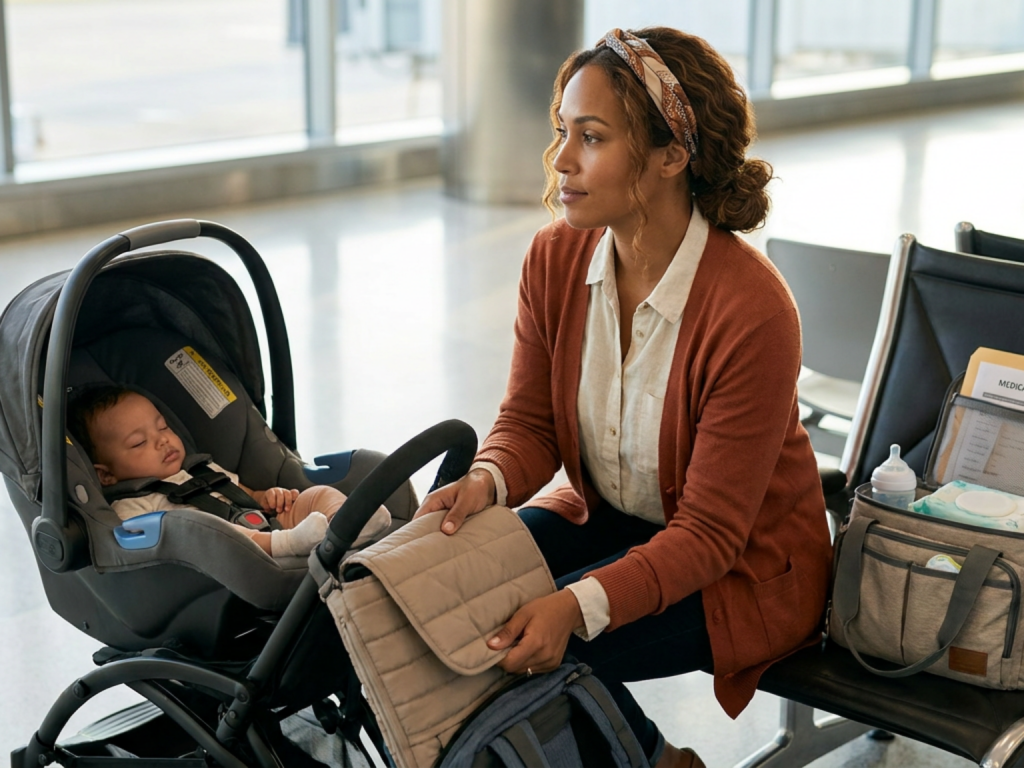
Intro
Traveling with a baby can be rewarding, but it also asks more of caregivers than many first-time parents expect. A safe trip is less about perfection and more about planning for physiology, logistics, and the small disruptions that matter most for infants: temperature regulation, feeding, sleep, hydration, and injury prevention.
This article explains the core safety issues for air, car, and general travel, with a focus on practical planning. It is written for readers who want medically sound guidance without alarmism, and it emphasizes when to seek advice from a pediatrician, especially for premature infants, babies with chronic conditions, or travel across borders.
Highlights
Most healthy, full-term infants can travel safely, but timing and transport method matter. A pediatric review is especially important if the baby was premature or has medical needs.
The biggest travel hazards for babies are often preventable: improper restraint, dehydration, overheating, infection exposure, and unsafe sleep arrangements.
Preparation should include documents, supplies, and a feeding plan, not just packing clothes and diapers.
Air travel is usually safe for many infants after the first few weeks of life, but newborns and medically fragile babies may need extra caution.
Simple infection-control habits such as hand hygiene and careful food and water choices reduce risk during transit and at the destination.
When travel is reasonable for a baby
For many families, the first question is not how to travel, but when to travel. Healthy, full-term infants often tolerate travel well after the early newborn period, but the margin for error is narrower in the first days and weeks of life. Published guidance recommends avoiding air travel for babies younger than seven days, and many clinicians advise checking with the pediatrician before any trip in the early neonatal period.
Babies born prematurely, those with heart or lung disease, and infants with recent hospitalization or ongoing medical treatment may have different oxygen, feeding, or temperature-control needs. In those situations, the safest answer is individualized medical advice rather than a general rule. If the trip is optional, it is reasonable to delay until the baby is older and clinically stable.
Car travel: restraint is the foundation of safety
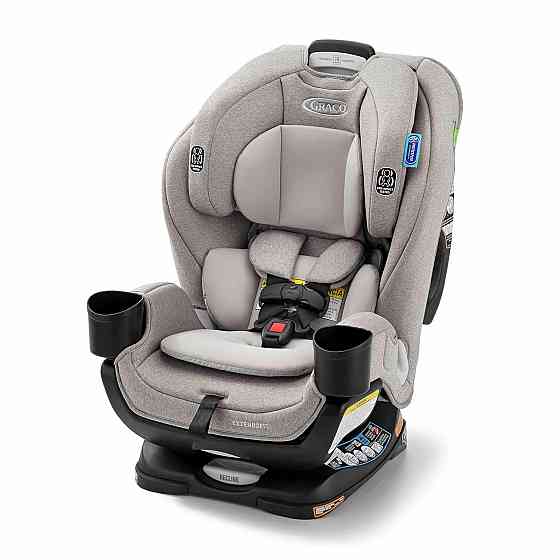
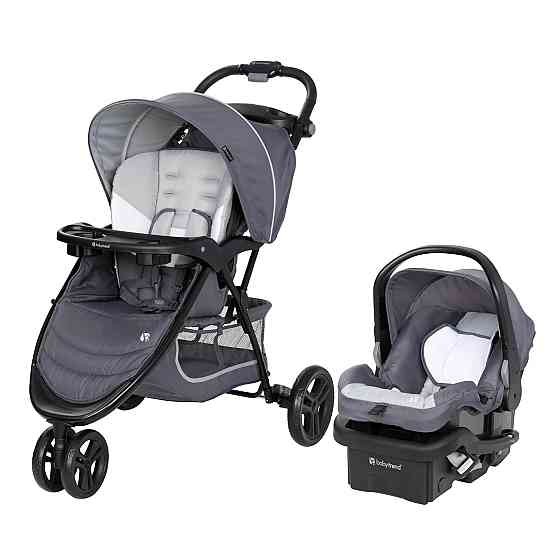
For road trips, correct restraint use is the central safety measure. Babies should travel in a properly installed rear-facing car seat or infant seat that fits their size and developmental stage. The goal is not only to hold the baby in place, but to distribute crash forces across the strongest parts of the body and protect the head, neck, and spine.
Before departure, confirm that the seat is installed according to the manufacturer’s instructions and that the harness fits snugly. The chest clip should be at armpit level, and bulky coats should not be placed under the harness because they can create dangerous slack. If you are unsure about installation, a certified child passenger safety technician can check the seat and demonstrate correct use.
For long drives, plan rest stops so an adult can feed, change, and briefly assess the baby. Babies should not remain in a car seat outside the car for prolonged periods, and sleep in the seat should be supervised only while the seat is correctly used as intended in the vehicle.
Air travel: cabin pressure, timing, and practical preparation
Air travel is usually safe for most healthy, full-term infants after the first few weeks of life, but the cabin environment still deserves planning. Changes in cabin pressure can make babies more uncomfortable during ascent and descent because of ear pressure changes. Feeding during takeoff and landing may help with swallowing and pressure equalization, especially for older infants who are actively feeding.
Airlines may have specific policies for infants, lap travel, or use of approved restraints. Review those rules before booking, and if your baby has medical issues, ask the pediatrician whether any additional precautions are needed. For families traveling internationally, keep in mind that border checks, itinerary disruptions, and medical access at the destination may matter as much as the flight itself.
If you are traveling with a newborn, premature infant, or baby who needs medication, carrying written medical information is wise. Include contact details, allergy information if relevant, and any emergency instructions. The CDC also advises planning for identification and, when appropriate, custody documents for solo parents traveling internationally.
Preventing infection, dehydration, and feeding problems
Babies have immature immune defenses, and travel increases exposure to crowded spaces, unfamiliar surfaces, and changing routines. Hand hygiene is one of the most effective preventive tools. Caregivers should clean hands before feeding, after diaper changes, and after contact with shared surfaces such as tray tables, public restrooms, or airport security bins.
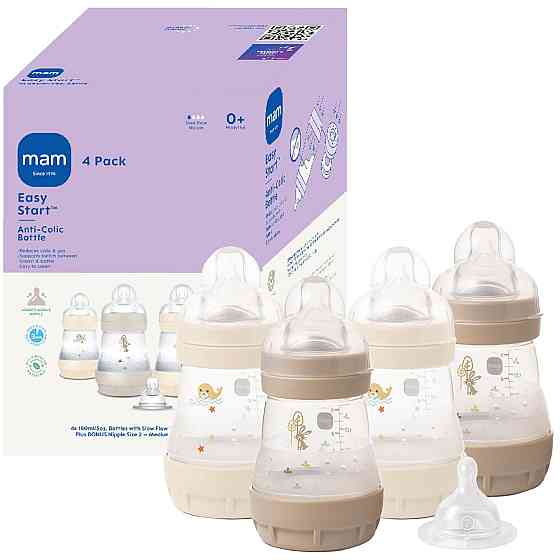
Feeding plans should be realistic. Whether a baby is breastfed, formula-fed, or taking expressed milk, the goal is adequate intake rather than rigid timing. When traveling, pack more milk or formula than you think you will need, along with safe containers and cleaning supplies. For older infants who consume complementary foods, use only safe water and age-appropriate foods, and be cautious with preparation conditions in unfamiliar settings.
Travel may also change stooling, sleep, and appetite temporarily. Mild variation is common, but persistent poor feeding, signs of dehydration, or lethargy deserve medical attention. A practical rule is to watch the baby’s behavior, wet diapers, and overall responsiveness rather than relying on a schedule alone.
Sleep, movement, and keeping the airway clear
Travel often disrupts infant sleep, and tired caregivers may be tempted to let a baby sleep in whatever position is convenient. That is understandable, but sleep safety still matters. Babies should be placed on a firm, flat sleep surface whenever possible, and sleep arrangements should avoid soft bedding, pillows, and loose blankets. The safest plan is the one that preserves normal safe sleep practices even when the setting is unfamiliar.
If you are using a stroller, carrier, or vehicle seat, be attentive to airway position and overheating. Babies can slump, especially when tired, and a flexed chin position can narrow the upper airway. Check that the face remains visible, the breathing is unimpeded, and clothing is appropriate for the temperature. In warm climates or crowded terminals, overheating can be a real issue even when the baby seems calm.
Frequent movement breaks also help. Babies should be removed from confined equipment when feasible, and caregivers should avoid prolonged positional constraint. This is especially relevant on long travel days when naps, feeding, and transport all blur together.
Water, sun, and environment-specific hazards
At beaches, hotels, pools, or lakeside destinations, the main issue is not whether the water looks calm, but whether it is truly safe for an infant. Babies can drown in very small amounts of water, and they require constant, hands-on supervision near any water source. Even a shallow bath, a decorative fountain, or a bucket can be hazardous if a caregiver’s attention shifts.
Sun exposure and heat deserve similar caution. Babies are less able to regulate body temperature than older children and adults. Seek shade, use protective clothing when appropriate, and avoid prolonged direct sun. If the baby seems flushed, unusually sleepy, irritable, or poorly hydrated, move to a cooler environment and seek medical advice if symptoms persist.
Environmental exposures can also include smoke, crowded indoor spaces, and poorly ventilated rooms. When possible, choose accommodations that support clean air, refrigeration for milk if needed, and space to change and feed the baby in a hygienic way.
What to pack and plan before you leave
A well-packed travel bag reduces stress and improves safety because caregivers can respond quickly instead of improvising. Core items include diapers, wipes, extra clothing, feeding supplies, medications, a thermometer, and a basic first-aid kit. For longer trips, add copies of key medical information, insurance details, and emergency contacts.
It is also smart to think through the trip sequence: transport to the airport or station, waiting periods, feeding intervals, security screening, and arrival logistics. Babies do better when the caregiver has a plan for where to feed, where to change diapers, and where to rest if delays occur. If another adult is traveling with you, clarify who is responsible for the baby during transfers and queueing so the infant is never unattended.
For international or complex travel, notify the baby’s clinician in advance if there are chronic conditions, medications, or vaccine-related questions. Some families also benefit from discussing motion sickness, reflux, or sleep disruption ahead of time so they can choose practical coping strategies rather than reacting mid-trip.
When to get professional help
Most travel questions can be answered before departure, which is the best time to ask them. Seek individualized medical guidance if the baby was born prematurely, has a heart or lung condition, has feeding difficulties, uses equipment such as oxygen or monitors, or has recently been ill. A clinician can help determine whether the trip is appropriate and what precautions make sense.
During or after travel, get urgent care if the baby has difficulty breathing, marked sleepiness, repeated vomiting, signs of dehydration, a significant fever in a young infant, or any concern that the baby is not acting normally. Travel can make it harder to notice early changes, so caregivers should trust their concern when something feels off.
The safest approach is not to assume that travel is either always dangerous or always routine. It is a manageable situation when the baby’s age, health status, and travel conditions are considered together.
Safety warnings
- Do not let a baby sleep unsupervised in a car seat outside the vehicle.
- Do not use a car seat with bulky clothing under the harness.
- Do not travel by air with a baby younger than seven days unless a clinician specifically advises otherwise.
- Do not assume airport, hotel, or rental accommodation meets safe sleep standards without checking.
- Do not ignore poor feeding, breathing difficulty, or signs of dehydration during travel.
Tools & Assistance
- Pediatrician or family doctor for pre-travel advice
- Certified child passenger safety technician for car seat checks
- Airline infant policy page before booking
- Travel checklist with feeding, medication, and emergency contacts
- Destination-specific guidance for water safety and infection prevention
FAQ
Is it safe to fly with a baby?
For most healthy, full-term infants, air travel is usually safe after the early newborn period. Premature infants or babies with medical conditions should be reviewed by a pediatrician first.
Can a baby travel in a car seat for long periods?
A properly installed car seat is essential for driving, but babies should not stay in the seat for prolonged periods outside the car. Plan breaks for feeding, diapering, and movement.
What should I pack for safer travel with a baby?
Bring feeding supplies, diapers, wipes, spare clothes, medications, hand hygiene supplies, medical contact information, and any documentation needed for the trip.
What is the biggest travel safety risk for babies?
The biggest risks are usually preventable: unsafe restraint, infection exposure, overheating, unsafe sleep, and dehydration.
When should I call a doctor before traveling?
Call before travel if the baby was premature, has a chronic medical problem, takes medication, or recently had illness, especially if you are flying or traveling internationally.
Sources
- Centers for Disease Control and Prevention (CDC) — Traveling Safely with Infants and Children
- Mayo Clinic — Air travel with infant: Is it safe?
- PubMed Central — Air travel and children
Disclaimer
This article is for general information only and does not replace individualized medical advice. If your baby was premature, has an illness, or seems unwell before, during, or after travel, contact a pediatrician or urgent care clinician.














Please log in to leave a comment.