
Intro
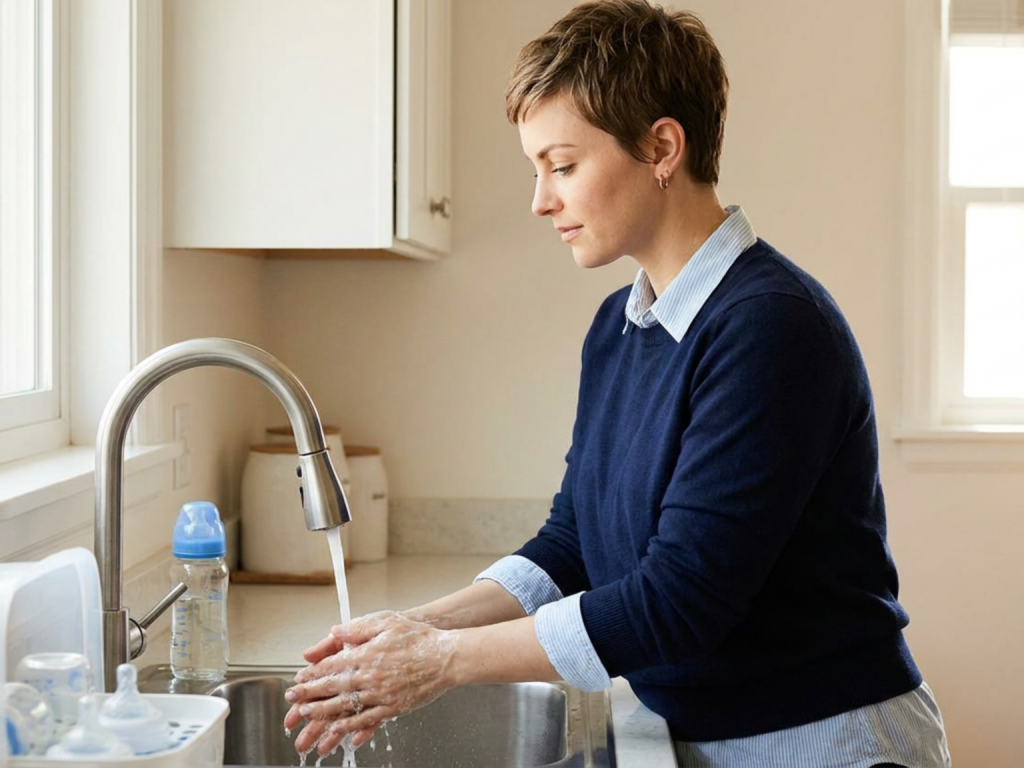
Parents and caregivers often hear a lot about the risks of over-cleaning: harsh disinfectants, strong fragrances, and excess chemical exposure. That concern is real. But the opposite problem matters too. Under-cleaning a baby’s environment can leave infectious germs on hands, feeding equipment, high-touch surfaces, and fabrics, increasing the chance of avoidable illness in a period when infants are especially vulnerable.
This article explains the main risks of inadequate cleaning around babies, how hygiene supports infection prevention, and where a practical middle ground usually lies: clean enough to reduce exposure to pathogens, but gentle enough to protect delicate skin and limit unnecessary chemical burden. It is meant for medically literate readers and is not a substitute for personalized medical advice.
Highlights
Under-cleaning can increase exposure to bacteria, viruses, and fecal contamination in the home, especially on hands, feeding items, and high-touch surfaces.
Infants have immature immune defenses, so the same level of contamination that seems minor for an adult can be more consequential for a baby.
A clean home does not mean a sterile home; the goal is targeted hygiene, not aggressive overuse of harsh cleaners.
Feeding tools, diaper-changing areas, and frequently touched surfaces deserve the most consistent attention.
If a baby has fever, poor feeding, lethargy, breathing difficulty, or persistent vomiting or diarrhea, contact a healthcare professional promptly.
Why under-cleaning matters more in infancy
Babies are not just small adults. Their immune systems are still developing, their skin barrier is more fragile, and they depend completely on adults for hygiene, feeding, and environmental safety. That means germs left on hands, bottle parts, countertops, diaper areas, or toys can move quickly from the environment to the mouth, nose, eyes, or broken skin.
The World Health Organization emphasizes that cleaning and hygiene reduce the spread of infectious disease in the home. For infants, this is especially important because they spend long periods on floors, are frequently handled by caregivers, and often explore by putting hands and objects into their mouths. Inadequate cleaning does not guarantee illness, but it raises exposure to organisms that can cause gastrointestinal infection, respiratory infection, and skin irritation.
The highest-risk places in a baby’s routine
Not every surface in a house needs the same intensity of cleaning. The biggest risks usually come from high-touch and high-contamination points: hands, changing tables, diaper pails, sink areas, feeding equipment, pacifiers, countertops used for formula preparation, and toys that go into the mouth.
Caregivers often underestimate how easily contamination spreads during routine tasks. For example, if hands are not washed before feeding, or if bottle parts are only rinsed rather than properly cleaned, bacteria and viruses can be transferred directly to the baby. The AAP recommends focused attention to the surfaces and items babies contact most often, because targeted cleaning is one of the simplest ways to lower infection risk.
- Hands before feeding, diapering, or wound care
- Bottle nipples, pump parts, cups, and spoons
- Changing mats, diaper pails, and nearby counters
- Pacifiers, teethers, and mouthed toys
- Bathroom and kitchen surfaces used for baby care
Infection risks from poor hygiene
The most direct concern with under-cleaning is infection. Germs can cause illness in several ways: by entering the mouth through contaminated hands or feeding equipment, by reaching the respiratory tract after contact with dirty surfaces, or by infecting irritated skin. Infants are particularly susceptible because they touch their face often and have limited ability to avoid contaminated items.
Common outcomes can include viral or bacterial gastroenteritis, upper respiratory infections, and localized infections around the skin or umbilical area if hygiene is poor. The risk is not just theoretical; shared household items, unwashed hands, and dirty feeding tools are well-established routes of transmission. A baby who is premature, medically fragile, or living with crowding, smoke exposure, or limited sanitation may face even greater risk.
Cleaning and hygiene are therefore not about being obsessive. They are a public-health layer of protection, similar to safe sleep and vaccination of close caregivers. They reduce the number of organisms a baby encounters and lower the chance that a common germ becomes a serious problem.
Feeding hygiene and hydration concerns
Feeding is one of the most important places where under-cleaning can create harm. Formula preparation areas, breast pump components, bottle nipples, and cups can all harbor microbes if they are not cleaned carefully. The phrase cleaning newborn feeding equipment captures a basic principle: anything that enters or contacts milk or the infant’s mouth should be cleaned thoroughly and handled with clean hands.
Contamination in feeding equipment can contribute to vomiting, diarrhea, poor intake, or fever. In a young baby, that matters quickly because fluid reserves are limited and dehydration can develop faster than many parents expect. If a baby is feeding poorly, has fewer wet diapers, seems unusually sleepy, or develops persistent vomiting or diarrhea, the issue needs medical attention. Cleaning problems may be part of the story, but they are not something to self-diagnose.
Safe feeding hygiene usually includes handwashing before preparation, careful cleaning of equipment after use, and following trusted guidance for formula handling or milk storage. When in doubt, ask the baby’s pediatrician or a qualified infant-feeding specialist for individualized advice.
Skin, diapering, and bathing: where cleanliness protects barrier function
Baby skin is sensitive, but that does not mean it should be neglected. Inadequate cleaning of the diaper area, neck folds, and skin creases can leave moisture, stool, urine, and bacteria in contact with the skin for too long. That increases the risk of irritant dermatitis, secondary infection, and worsening rashes. Gentle cleaning is especially important in folds, where debris can collect invisibly.
Babies do not need long or frequent baths to stay healthy, but they do need regular attention to dirty areas. A safe newborn bathing routine should focus on mild cleansing, thorough drying of skin folds, and avoiding harsh products that strip the skin barrier. The goal is not to scrub aggressively. It is to remove contamination before it causes irritation or infection.
For diaper changes, quick cleanup matters. Stool left against the skin can break down the skin barrier and raise the risk of rash and discomfort. If a baby’s rash is severe, spreading, or associated with fever or pustules, a clinician should evaluate it rather than assuming it is only a hygiene issue.
How under-cleaning can affect breathing and the wider home environment
Respiratory infections are another concern. Germs can spread from contaminated hands, tissues, shared towels, and surfaces that caregivers touch repeatedly during a sick day. Because babies breathe close to the environment around them and touch many shared surfaces, poor household hygiene can increase their exposure to respiratory pathogens.
This does not mean every surface needs constant disinfection. It means a practical focus on the areas that matter most: frequent handwashing, regular cleaning of high-touch spots, and prompt attention to spills, vomit, stool, and other organic material. The WHO notes that cleaning and hygiene are central to reducing infection spread in homes. The evidence also suggests that the balance is important: inadequate cleaning is risky, but unnecessary overexposure to harsh products is not the answer either.
A sensible home routine aims for cleanliness, ventilation, and careful product use. If a cleaner is used, follow the label, keep products away from the baby, and avoid mixing chemicals. Better hygiene does not require stronger chemicals; it requires consistency.
A practical balance: clean enough, not excessively harsh
Many parents worry that if they do less cleaning, they will somehow be neglecting their baby; if they do more, they may be exposing the child to chemicals. The middle ground is evidence-based hygiene. Clean the surfaces and items most likely to transmit germs, use products as directed, and reduce unnecessary chemical load by avoiding excess sprays, strong fragrances, and mixed cleaners.
The review literature on household cleaning products and children’s health highlights that indoor exposure matters, especially in vulnerable populations. That is a useful reminder that the target is not a perfectly sterile home. The target is a home where infectious contamination is controlled and cleaning agents are used safely. In practice, that means routine hand hygiene, sensible surface cleaning, careful handling of feeding equipment, and good storage of household chemicals out of reach.
If a family is unsure how often to clean certain baby items, the pediatrician can help set priorities based on age, health status, feeding method, and household circumstances. Families caring for premature infants or babies with chronic illness may need stricter routines than families with healthy older infants.
When to seek professional advice
Sometimes cleaning questions are really medical questions. If a baby develops fever, persistent diarrhea, repeated vomiting, poor feeding, dehydration, breathing difficulty, or unusual sleepiness, contact a healthcare professional promptly. Those signs can reflect infection or another illness that needs assessment.
Also ask for guidance if there is recurrent rash despite careful cleaning, if bottle feeding seems to trigger frequent illness, or if there are sanitation challenges at home that make routine hygiene hard to maintain. Pediatricians, family doctors, public-health nurses, lactation consultants, and community health programs can often help with realistic strategies. Support matters, and no parent should feel embarrassed for asking.
The key message is simple: under-cleaning can increase a baby’s risk of avoidable infection and skin irritation, but the solution is thoughtful hygiene, not fear. Small, consistent habits make a meaningful difference.
Warning signs that need prompt medical advice
- Fever in a young baby, especially in the first months of life
- Persistent vomiting or diarrhea, or signs of dehydration
- Breathing difficulty, wheezing, or fast breathing
- Marked sleepiness, poor feeding, or unusually weak responsiveness
- Spreading rash, pus, or redness around the diaper area or skin folds
Tools & Assistance
- Pediatrician or family doctor
- Public-health nursing or community infant-care support
- AAP family cleaning guidance
- WHO healthy-home hygiene guidance
- Trusted instructions for feeding equipment cleaning
FAQ
Does under-cleaning always make a baby sick?
No. Illness is not inevitable, but inadequate hygiene increases exposure to germs and makes infection more likely, especially in infants.
What matters most to clean in a baby’s environment?
Hands, feeding equipment, diapering areas, mouthed toys, and other high-touch surfaces matter most because they are the easiest routes for germ transfer.
Is stronger disinfectant always better?
Not necessarily. The goal is appropriate cleaning with safe product use, not unnecessary chemical exposure or overuse of harsh cleaners.
Can poor cleaning affect skin as well as infection risk?
Yes. Dirty moisture, stool, and urine left on the skin can contribute to diaper rash, irritation, and sometimes secondary infection.
When should I call a clinician?
Seek medical advice if your baby has fever, poor feeding, breathing difficulty, persistent vomiting or diarrhea, dehydration signs, or significant lethargy.
Sources
- PubMed / International Journal of Environmental Research and Public Health — Household Cleaning Products and Children’s Health: A Systematic Review
- World Health Organization — Healthy Homes: Cleaning and Hygiene
- American Academy of Pediatrics — Household Cleaning Tips for Parents
Disclaimer
This article is for general educational purposes only and does not replace individualized medical advice, diagnosis, or treatment. If you are concerned about your baby’s symptoms or hygiene-related illness risk, consult a qualified healthcare professional.











Please log in to leave a comment.