
Intro
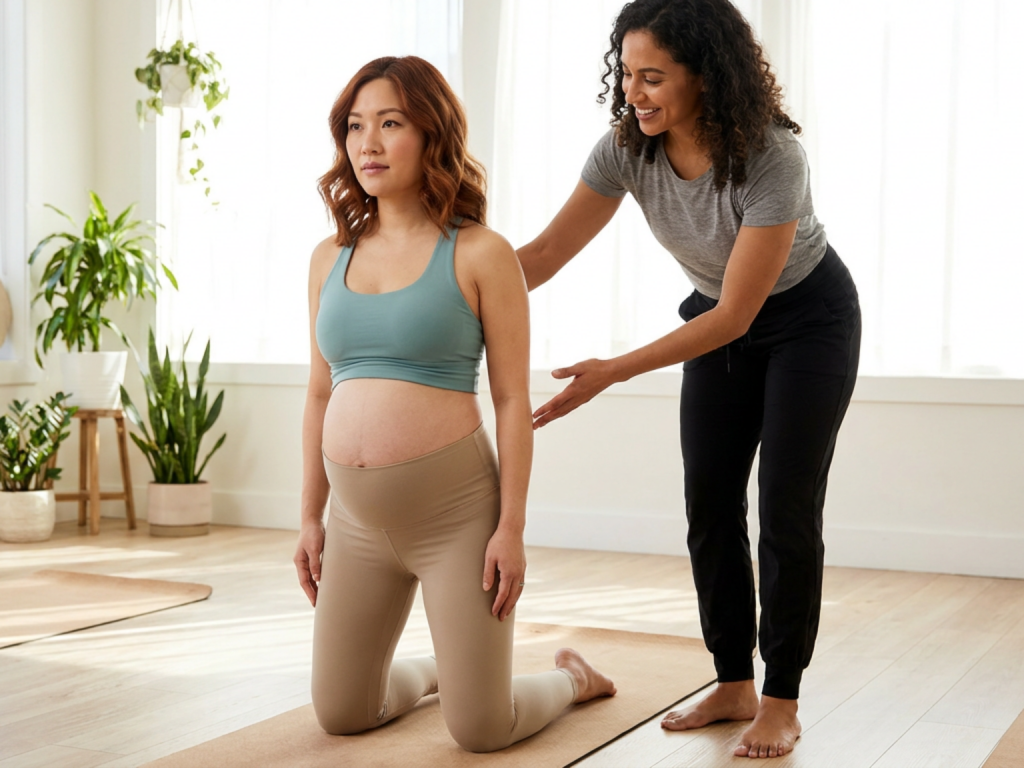
No, it is generally not true that you cannot exercise while pregnant. For most people with uncomplicated pregnancies, physical activity is not only allowed but encouraged. Modern obstetric guidance has moved away from the older idea that pregnancy requires near-complete rest, because evidence shows that appropriate exercise is associated with maternal and fetal benefits and minimal risk when there are no medical or obstetric contraindications.
That said, pregnancy changes the cardiovascular, respiratory, musculoskeletal, and metabolic systems. The safest exercise plan is individualized: it should consider your baseline fitness, pregnancy course, symptoms, medical history, and your clinician’s advice. If you have been told to restrict activity, have a high-risk pregnancy, or develop concerning symptoms, you should seek medical guidance before continuing.
Highlights
In an uncomplicated pregnancy, exercise is usually safe and desirable rather than forbidden.
A commonly recommended goal is at least 150 minutes per week of moderate-intensity aerobic activity, adjusted to the individual.
Walking, swimming, stationary cycling, modified yoga, modified Pilates, and strength training are commonly considered appropriate for many pregnant people.
Some conditions and warning symptoms require stopping exercise and contacting a healthcare professional.
The best approach is not maximal performance, but consistent, comfortable movement that supports pregnancy health.
The short answer: most pregnant people can exercise
The statement “you cannot exercise while pregnant” is too broad and, for most pregnancies, incorrect. The American College of Obstetricians and Gynecologists states that physical activity and exercise in pregnancy are associated with minimal risks and are safe and desirable for most pregnant patients, provided there are no obstetric or medical contraindications. The NHS similarly states that exercise is not dangerous for the baby and encourages pregnant people to remain active.
This does not mean every activity is safe for every person at every stage of pregnancy. It means that pregnancy alone is not a reason to avoid movement. A person who is healthy and has an uncomplicated pregnancy is usually encouraged to continue or begin appropriate physical activity. A person with placenta previa after a certain gestational age, significant heart or lung disease, preeclampsia, cervical insufficiency, ruptured membranes, persistent bleeding, or other complications may need a different plan. That distinction matters: exercise is generally beneficial, but it should be individualized.
Why older advice was more restrictive
Historically, pregnant people were often advised to avoid strenuous movement because of concern about miscarriage, fetal growth restriction, premature labor, overheating, or injury. Many of these concerns were based more on caution and social assumptions than on high-quality data. Contemporary reviews, including medical summaries such as StatPearls, note that the traditional avoidance of exercise has been replaced by evidence-based recommendations supporting activity for most pregnancies.
Current guidance recognizes that physical inactivity itself has risks. Pregnancy is associated with insulin resistance, weight gain, venous stasis, postural changes, and increased cardiometabolic demand. Appropriate exercise can help support cardiovascular fitness, glycemic control, musculoskeletal comfort, mood, sleep, and functional capacity. For many people, being told “do nothing” can worsen fatigue, deconditioning, back discomfort, constipation, and emotional stress.
How much exercise is usually recommended
A widely cited target is at least 150 minutes of moderate-intensity aerobic activity each week, spread across several days. Moderate intensity means you are working hard enough to raise your heart rate and breathing but can still speak in sentences. This is sometimes called the “talk test,” and it is often more practical in pregnancy than relying only on heart-rate targets, because pregnancy changes resting heart rate and cardiovascular response.
For someone who was active before pregnancy, continuing exercise is often reasonable with modifications as pregnancy progresses. For someone who was previously inactive, starting gradually is usually preferred: shorter sessions, lower intensity, and progressive increases as tolerated. The goal is consistency and safety, not pushing through pain or proving fitness.
A balanced weekly routine may include aerobic activity, light-to-moderate resistance training, mobility work, and pelvic floor exercises. However, the right plan varies. A person with pelvic girdle pain, anemia, hyperemesis, hypertension, a history of preterm birth, or a multiple pregnancy may need more specific advice from an obstetric clinician, physiotherapist, or appropriately trained exercise professional.
Activities that are commonly suitable
Many forms of exercise have been studied or widely used during pregnancy and are considered appropriate for uncomplicated pregnancies. These often include low-impact or controlled activities that reduce fall risk and allow intensity to be adjusted.
- Walking, which is accessible, adjustable, and easy to stop if symptoms occur.
- Swimming and water-based exercise, which can reduce joint loading and may feel comfortable as pregnancy advances.
- Stationary cycling, which avoids traffic and lowers fall risk compared with outdoor cycling.
- Modified yoga and modified Pilates, avoiding overheating, prolonged supine positions later in pregnancy, and extreme stretches.
- Resistance training with appropriate loads, controlled breathing, and attention to technique.
- Pelvic floor muscle exercises, which may support continence and pelvic function.
Strength training is sometimes misunderstood. It does not necessarily mean heavy lifting or maximal effort. In pregnancy, it often means controlled movements, good form, adequate rest, and avoiding breath-holding or Valsalva maneuvers that can sharply increase intra-abdominal pressure. If lifting was part of your pre-pregnancy routine, your clinician can help you decide how to modify it.
Activities that need modification or avoidance
Some activities carry risks that become more relevant in pregnancy. The issue is not that exercise itself is dangerous, but that certain environments or mechanics increase the chance of trauma, falls, oxygen limitation, or heat stress.
- Contact sports and activities with abdominal collision risk are generally discouraged.
- High-fall-risk activities, such as downhill skiing, horseback riding, or outdoor cycling on unstable terrain, may need to be avoided or modified.
- Scuba diving is generally avoided because of fetal decompression risk.
- Hot yoga, hot Pilates, and exercising in overheated environments should be avoided because hyperthermia is a concern.
- Exercises performed flat on the back for prolonged periods may need modification after the first trimester, as the enlarged uterus can compress major blood vessels in some people.
Balance also changes during pregnancy because the center of gravity shifts and ligaments become more lax under hormonal influence. This does not mean you must stop all movement, but it does mean that controlled, stable, well-supported exercise is preferable, especially later in pregnancy.
Physiological changes that affect exercise
Pregnancy increases blood volume, cardiac output, oxygen consumption, and respiratory drive. Many pregnant people notice they become breathless sooner, even when they are healthy. This can be normal, but severe, sudden, or persistent shortness of breath should be assessed. Ligamentous laxity and postural changes can contribute to back pain, pelvic girdle pain, and altered biomechanics. These changes may require adjustments in range of motion, footwear, resistance, and exercise surface.
Thermoregulation also matters. Pregnant people should avoid overheating, hydrate well, and be cautious in humid or hot settings. Caloric needs and glucose handling can change, particularly for those with gestational diabetes risk or nausea and vomiting. If you feel faint, shaky, unusually weak, or unwell, stop and seek guidance rather than pushing through.
Another important point is the pelvic floor. Pregnancy and vaginal birth can place load on pelvic floor tissues, but pelvic floor symptoms can also occur before delivery. Urinary leakage, pelvic heaviness, or pressure may benefit from evaluation by a pelvic health physiotherapist. These symptoms are common, but they should not be dismissed as something you simply have to tolerate.
When exercise may not be appropriate
Some medical or obstetric conditions can make exercise unsafe or require significant modification. Examples include certain forms of heart disease, restrictive lung disease, cervical insufficiency or cerclage in some circumstances, persistent second- or third-trimester bleeding, placenta previa after mid-pregnancy, ruptured membranes, preeclampsia or severe hypertension, severe anemia, and signs of preterm labor. This list is not exhaustive, and the relevance of each condition depends on clinical details.
If your clinician has recommended pelvic rest, activity restriction, or bed rest, ask for clarification. These terms are sometimes used imprecisely. It is reasonable to ask what activities are restricted, why, for how long, and what movements remain safe, such as gentle walking, stretching, or pelvic floor work. Do not override individualized medical advice based on general exercise recommendations.
A practical way to exercise safely
A safe pregnancy exercise routine is usually built around moderation, symptom awareness, and adaptability. Start with a warm-up, choose an activity you can sustain comfortably, avoid breath-holding, and cool down gradually. Wear supportive footwear, use stable surfaces, and avoid sudden changes in direction if balance feels different.
Intensity should feel manageable. The talk test is useful: if you cannot speak because you are too breathless, reduce intensity. Avoid exercising to exhaustion. Drink fluids, avoid overheating, and consider shorter sessions if fatigue or nausea is significant. On days when symptoms are worse, gentle mobility or a short walk may be enough.
It can also help to think of exercise as a continuum rather than an all-or-nothing rule. Ten minutes of walking, a brief prenatal strength session, or pelvic floor exercises still count. If you miss days because of nausea, appointments, pain, or fatigue, you have not failed. Pregnancy is dynamic, and your plan can change with it.
Stop exercising and seek medical advice if you notice
- Vaginal bleeding, fluid leakage, or regular painful contractions.
- Chest pain, severe shortness of breath, fainting, or dizziness that does not quickly resolve.
- Calf pain or swelling, especially if one-sided.
- Severe headache, visual symptoms, or sudden swelling that may suggest hypertensive complications.
- Decreased fetal movement after the usual gestational age for monitoring movements.
- Pelvic pressure, significant abdominal pain, or symptoms concerning for preterm labor.
Tools & Assistance
- Discuss exercise plans at a prenatal appointment, especially if you have a high-risk pregnancy or chronic medical condition.
- Use the talk test to keep most activity at a moderate, conversational intensity.
- Consider a pelvic health physiotherapist for pelvic pain, leakage, heaviness, or return-to-exercise planning.
- Choose low-impact activities such as walking, swimming, stationary cycling, or modified prenatal classes.
- Keep a symptom log if you are unsure which activities trigger pain, contractions, dizziness, or fatigue.
FAQ
Can exercise cause miscarriage?
In an uncomplicated pregnancy, routine moderate exercise has not been shown to cause miscarriage. If you have bleeding, pain, recurrent pregnancy loss concerns, or a specific diagnosis, ask your clinician for individualized advice.
Can I start exercising if I was inactive before pregnancy?
Often yes, but start gradually and choose low-impact activities. Short, moderate sessions are usually preferable to sudden intense workouts. Discuss your plan with your healthcare professional.
Is running safe during pregnancy?
For some people who ran before pregnancy and have no contraindications, running may be continued with modifications. New runners or those with pain, bleeding, dizziness, or high-risk conditions should seek professional guidance.
Are abdominal exercises allowed?
Some core exercises can be appropriate, but they may need modification as pregnancy progresses. Avoid movements that cause coning, pain, breath-holding, or prolonged flat-on-back positioning later in pregnancy.
How do I know if I am exercising too hard?
If you cannot speak in sentences, feel faint, have chest pain, develop contractions, leak fluid, or feel unwell, stop. Persistent or concerning symptoms should be assessed by a healthcare professional.
Sources
- American College of Obstetricians and Gynecologists — Physical Activity and Exercise During Pregnancy and the Postpartum Period
- NHS — Exercise in pregnancy
- StatPearls / NCBI Bookshelf — Pregnancy And Exercise
Disclaimer
This article is for informational purposes only and does not replace medical advice, diagnosis, or treatment. Always consult your obstetrician, midwife, or qualified healthcare professional about exercise during your pregnancy.
















Please log in to leave a comment.