
Intro
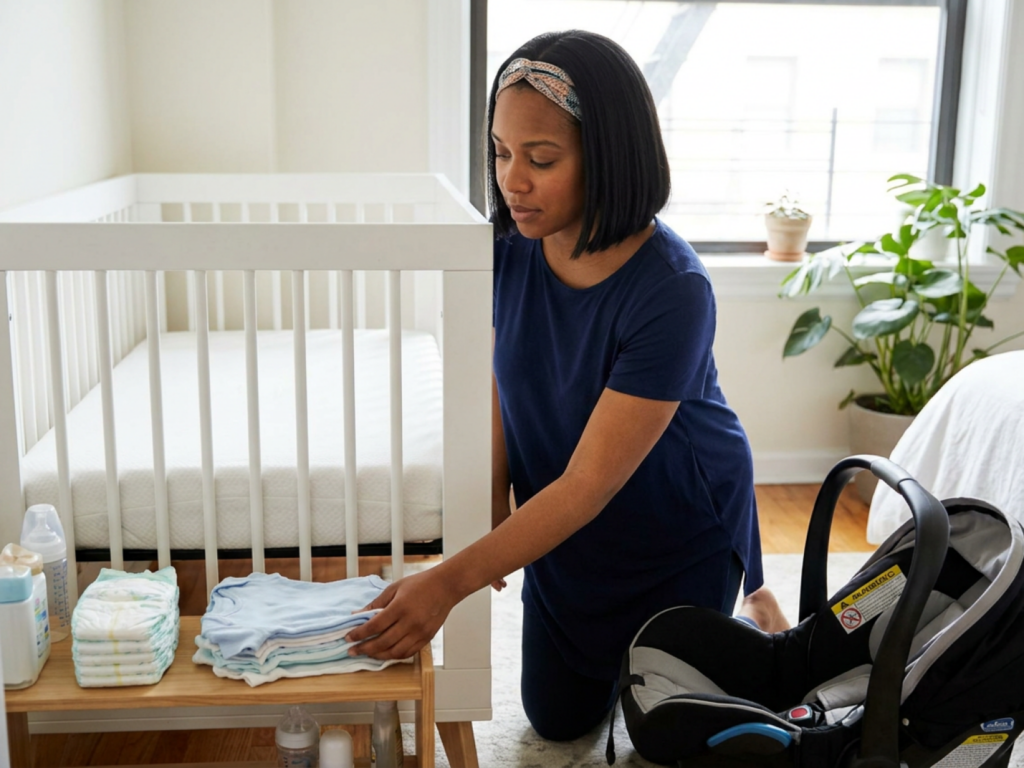
Preparing for a baby can make every product seem urgent. A minimalist approach does not mean going without care or comfort; it means starting with the items that support feeding, diapering, clothing, safe sleep, and safe travel, then adding only what genuinely solves a problem in your household.
Babies have variable medical and developmental needs, and family circumstances differ. A short, flexible list can reduce cost, clutter, and decision fatigue while leaving room to consult your midwife, pediatric clinician, or other qualified healthcare professional about individual needs.
Highlights
Start with supplies for the first days and weeks, not every possible first-year scenario. Most specialty gear can be borrowed, bought later, or skipped entirely.
For sleep and travel, safety specifications matter more than added features. Use age-appropriate equipment according to its instructions.
Feeding plans often evolve. Buy a small amount of feeding equipment first and expand only after you know what works for the baby and feeding parent.
Second-hand clothing and certain durable items can be practical, but sleep products and car seats require especially careful safety checks.
Begin with needs, not a registry template
A newborn needs reliable nourishment, a clean and thermally appropriate environment, opportunities for sleep on a safe surface, hygiene supplies, and safe transport when travelling by car. Everything else should earn its place by reducing a real burden in your particular home. This framing is useful because the early postpartum period is often physically demanding and cognitively overloaded; fewer products can mean fewer instructions, batteries, cleaning routines, and storage decisions.
Before buying, map the first two to four weeks. Consider where the baby will sleep, how you expect to feed, whether you have laundry access, your climate, how you will attend follow-up appointments, and whether stairs or public transport are part of daily life. If a product does not answer one of those immediate questions, pause. It may be useful later, but it is not necessarily a newborn essential.
Build in flexibility rather than trying to predict temperament, milk supply, reflux symptoms, or sleep patterns. None of these can be reliably solved by a shopping list. A small contingency budget, a way to order supplies quickly, and a supportive person who can shop or collect items can be more valuable than a crowded nursery.
Safe sleep: the smallest setup with the highest priority
The core sleep purchase is a dedicated infant sleep space that meets applicable safety standards: a crib, cot, bassinet, or bedside sleep product used exactly as its manufacturer directs. It needs a firm, flat mattress designed for that product and a snugly fitting sheet. The NHS advises against using pillows, duvets, nests, wedges, or soft toys in the sleep space. A bare infant sleep space reduces exposure to soft items that can obstruct an infant’s airway.
For a minimalist setup, begin with the sleep surface and two or three fitted sheets. A waterproof mattress protector is a practical optional layer if it fits correctly and is approved for the specific mattress. Wearable blankets or sleep sacks may be useful once the fit and age guidance are understood, but they are not a substitute for following safe-sleep guidance. Avoid purchasing cushions, positioners, inclined sleepers, or products marketed as preventing sudden infant death syndrome; seek advice from a pediatric clinician for any infant with breathing, feeding, or positioning concerns.
Place the sleep space in the caregivers’ room initially if this is consistent with local safe-sleep guidance and your circumstances. Keep the area smoke-free and avoid improvised sleep locations such as sofas or armchairs. The aim is not an elaborate nursery. It is a consistently available, uncomplicated, appropriate place for every sleep.
Clothing and laundry: use layers and repeat wear
Newborn clothing is easily overpurchased because sizing is uncertain and babies grow quickly. A restrained starting set is usually enough: six to eight bodysuits or vests, six to eight sleepsuits, a few pairs of socks if needed for temperature, one or two hats for outdoor weather, and an outer layer suitable for the season. Choose uncomplicated fastenings and soft fabrics that tolerate frequent washing. Hand-me-downs are often ideal because they have already been washed and softened.
Layering is more adaptable than buying many thick outfits. Check the infant’s chest or back rather than hands and feet alone when assessing warmth, since extremities commonly feel cooler. Overheating should be avoided, especially for sleep. Indoor temperature, humidity, illness, prematurity, and individual thermoregulation all affect what is appropriate, so ask a healthcare professional for individualized advice when there are medical concerns.
Plan laundry around your reality. Families with access to frequent washing may need fewer garments; those using a laundromat, facing winter drying times, or caring for frequent spit-up may prefer several more. A basic laundry detergent suitable for the household and a small hamper are sufficient. Specialized baby detergents, elaborate closet systems, and large newborn wardrobes are optional.
Diapering and hygiene: choose a simple, skin-conscious kit
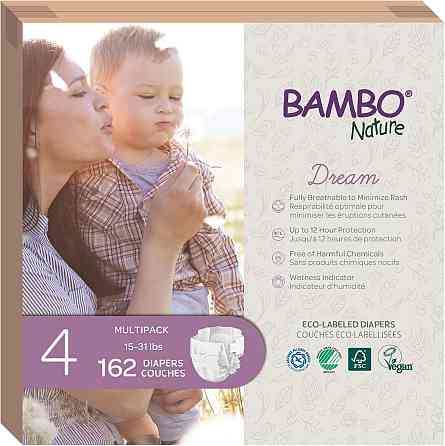
For diapering, start with a small package of newborn or size-one diapers, then adjust after learning the baby’s size and output pattern. Whether you choose disposable or reusable diapers, the functional essentials are diapers, a changing surface, wipes or soft cloths with water, and a place for soiled items. A changing pad can be convenient, but a clean towel placed on a stable floor-level surface is often enough. Never leave an infant unattended on an elevated changing surface, even briefly.
Unscented wipes for infants can be convenient, particularly outside the home. Water and soft cloths are also reasonable for many routine changes. Barrier ointment may be helpful for protecting irritated skin, but persistent rash, broken skin, vesicles, fever, or a baby who appears unwell warrants clinical assessment rather than repeated product changes. Avoid assuming that every rash is simple irritant dermatitis.
A minimal hygiene kit includes a digital thermometer, a bulb syringe or nasal aspirator if advised or useful, a soft washcloth, infant nail file or clippers, and mild cleanser for occasional bathing. Infant bathing does not require numerous products. Keep water safely warm, maintain hands-on supervision, and prepare towels and clothing before starting. Ask your clinician about temperature measurement and thresholds for urgent assessment, especially in infants younger than three months.
Feeding supplies: buy for your present plan, allow for change
Feeding is essential; extensive feeding equipment is not. If directly breastfeeding or chestfeeding is the plan, basic support may include nursing pads, comfortable access to water and food for the feeding parent, and a few cloths for milk or spit-up. A nursing pillow can be useful for some families but is optional and must never be used as an infant sleep surface. Early feeding challenges can involve latch, milk transfer, nipple trauma, infant weight gain, jaundice, or dehydration risk. These require prompt support from an appropriately qualified clinician or lactation professional, not simply more equipment.
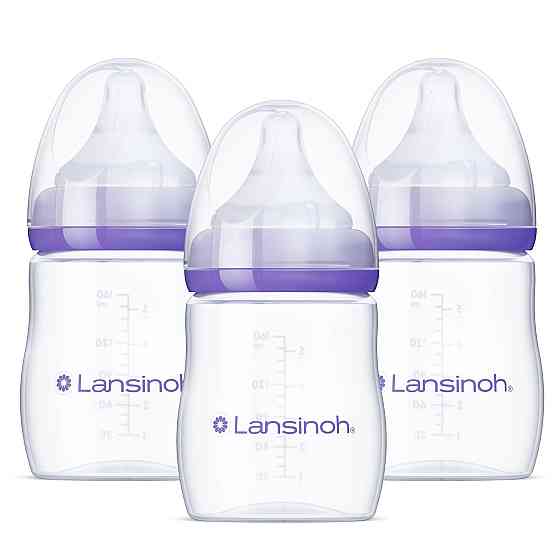
If using formula or combination feeding, purchase only enough bottles and teats for the intended rhythm, plus a bottle brush and a method to sterilize or otherwise prepare feeding equipment according to local public-health guidance and manufacturer instructions. Formula preparation requires attention to water safety, hygiene, storage, and correct dilution. Do not alter concentrations or make substitutions without professional guidance, particularly for premature infants or infants with medical conditions.
A pump, milk storage containers, bottle warmer, drying rack, and large bottle collection may become useful, but they are not universal initial needs. When expressing milk is anticipated because of return-to-work plans, separation, or clinical circumstances, obtain individualized guidance about pump selection, flange fit, expression, and storage. Starting small protects both budget and counter space while leaving room to respond to the feeding relationship that actually develops.
Travel and everyday movement
For travel by car, a rear-facing infant car seat appropriate for the baby’s size and your vehicle is a true essential. Read both the car-seat and vehicle manuals, register the product if available, and use the harness and installation method precisely as instructed. Avoid a used seat unless you can verify its full history, including that it has not been in a crash, is within its expiry date, has all parts and labels, and has not been recalled. Thick coats under harness straps can compromise fit; use clothing layers and a blanket over the secured harness when appropriate.
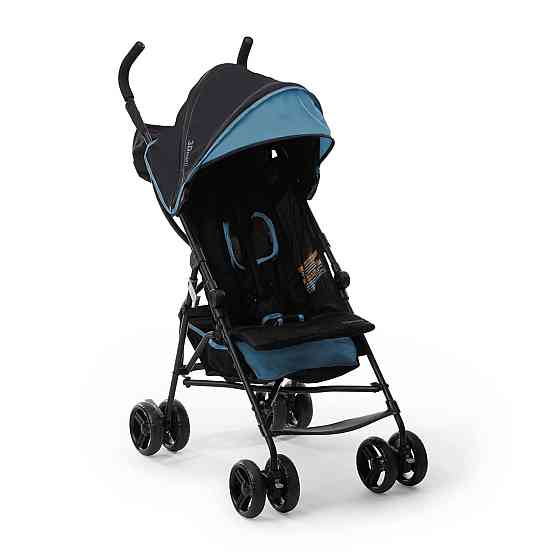
A stroller is helpful but not mandatory from day one. Your decision should reflect walking routes, storage, stairs, public transport, and physical recovery. If buying one for a newborn, confirm newborn stroller suitability, including the manufacturer’s age and positioning instructions. A baby carrier can be an alternative or complement, but it also requires correct fit and airway-aware positioning. Keep the baby’s face visible, chin off chest, and airway unobstructed; seek instruction if you are uncertain.
A compact portable baby-care bag can hold diapers, wipes or cloths, a spare outfit, feeding supplies, and a changing layer. This is usually enough for routine outings. Add weather protection, medications, or medical supplies only when relevant to your child’s care plan, and confirm medication use and doses with a healthcare professional.
What can wait, be borrowed, or be skipped
Many popular purchases are conveniences, not prerequisites: dedicated changing tables, wipe warmers, diaper pails, baby food makers, swings, bouncers, activity gyms, monitors, white-noise machines, and nursery furniture sets. Some may later be valuable to your family, but buying them before the baby’s arrival can create pressure to use them and complicate safe sleep or supervision routines. Consider borrowing a product first when safe and hygienic to do so, especially for short developmental phases.
Be most cautious with second-hand mattresses, car seats, and any product intended for sleep or restraint. Check current recalls, instructions, age limits, and visible wear. Do not use damaged equipment, missing harness components, or products modified with aftermarket accessories. Baby gear is not inherently safer because it is expensive, electronic, or marketed as developmental.
Review your list after the first week and again after the first month. Keep what is used repeatedly, return unopened items where possible, and add one item at a time when it addresses a recurring need. This gradual approach respects both your resources and the fact that infants change rapidly. It also makes space for professional advice when a concern is medical rather than logistical.
Safety reminders
- Use only a firm, flat, manufacturer-approved infant sleep surface; keep pillows, loose bedding, nests, and soft objects out of the sleep space.
- Never leave a baby unattended on a changing table, sofa, bed, bath support, or other elevated surface.
- Use a rear-facing car seat according to its manual and the vehicle manual; do not use a seat with an unknown crash history.
- Seek urgent medical advice for a young infant with fever or a baby who has breathing difficulty, poor feeding, marked lethargy, or appears seriously unwell.
- Do not use infant positioning devices or feeding equipment to manage medical concerns without qualified clinical guidance.
Tools & Assistance
- Create a two-week supply list based on feeding, sleep, diapering, laundry, and travel routines
- Check product recalls and read current manufacturer instructions before use
- Arrange a car-seat installation check through an appropriate local service
- Contact a midwife, pediatric clinician, or lactation professional for individualized feeding or newborn-care support
FAQ
How many newborn outfits do I really need?
Many families can begin with six to eight bodysuits and six to eight sleepsuits, then adjust for laundry access, weather, and how often the baby needs changes.
Do I need a changing table?
No. A clean, stable, floor-level changing setup can be sufficient and avoids fall risk from elevated surfaces.
Is a stroller essential for a newborn?
Not always. A properly used infant car seat is essential for car travel, while a stroller depends on your transport, walking, storage, and recovery needs.
Can I buy a used car seat?
Only consider one with a fully known history, no crash involvement, no recall, no missing parts, and an unexpired date. Follow all manufacturer instructions.
Should I buy bottles before the baby arrives?
A small number can be sensible if formula or combination feeding is planned, but avoid buying a large collection before you know which bottle and teat work for your baby.
Sources
- NHS — What to buy for your newborn baby - Best Start in Life
- Pampers — Newborn Essentials Checklist: The Must-Haves
- University of Michigan Health — What to Buy for a New Baby: First Year Checklist
Disclaimer
This article provides general educational information and is not medical advice. Consult a qualified healthcare professional for guidance tailored to your baby, feeding plan, and medical circumstances.














Please log in to leave a comment.