
Intro
The first year brings rapid changes in feeding, sleep, mobility, communication, and sensory development. A practical product list can reduce daily friction, but the goal is not to buy everything marketed for infants. The most useful items support safe sleep, effective feeding, hygiene, transport, supervision, and a caregiver’s ability to respond calmly to a changing baby.
Prioritize products that match your baby’s current developmental stage, fit your home and budget, and meet recognized safety standards. Some items are essential from birth, while others become useful only when your baby demonstrates developmental readiness. Your pediatric clinician, midwife, lactation professional, or public health service can help tailor choices to feeding history, prematurity, medical conditions, and local regulations.
Highlights
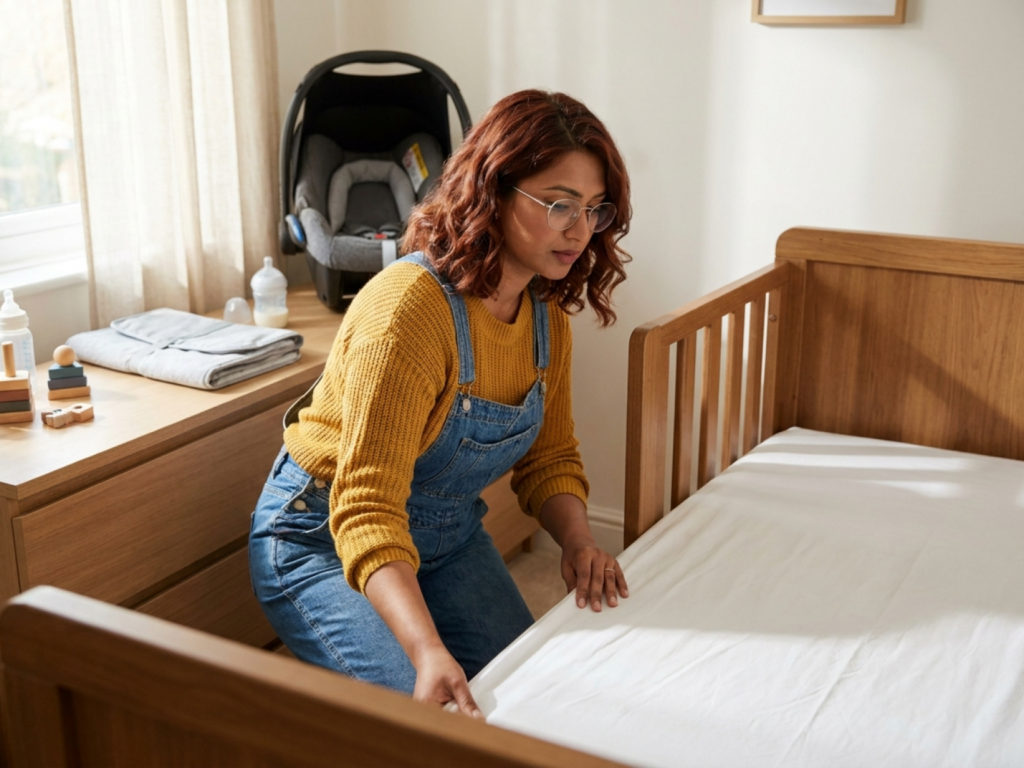
A firm, flat, noninclined sleep surface with a fitted sheet is the central sleep purchase.
Feeding supplies should support the chosen feeding method without replacing responsive observation of hunger and satiety cues.
A properly fitted rear-facing car seat is an essential transport item from the first journey home.
Simple hygiene, clothing, and diapering supplies are usually more useful than large collections of specialized gadgets.
Product safety depends on correct use, maintenance, recalls, and developmental timing.
Start with a safe sleep setup
Sleep equipment deserves the highest priority because infants spend many hours asleep and cannot reliably reposition themselves. Choose a crib, bassinet, portable crib, or play yard that complies with current consumer safety requirements and has a firm, flat, noninclined mattress designed for that product. The sleep surface should fit correctly, with a fitted sheet made for the mattress. Keep the area free of pillows, quilts, comforters, bumper pads, positioners, wedges, stuffed animals, and other loose or soft objects.
A separate infant sleep space in the caregiver’s room can make nighttime observation and feeding easier while preserving a dedicated surface. A wearable blanket may be useful for warmth when appropriately sized and used according to safety guidance; it should not restrict the hips or add excessive insulation. Do not use inclined sleepers, swings, bouncers, car seats, or other sitting devices for routine sleep. If a baby falls asleep in a non-sleep-use device, move the baby to a firm, flat sleep surface as soon as practical.
Before purchase, check assembly instructions, mattress compatibility, weight and height limits, and recall notices. A secondhand product is safest only when its history, model, parts, and safety status are known.
Choose feeding supplies that fit your plan
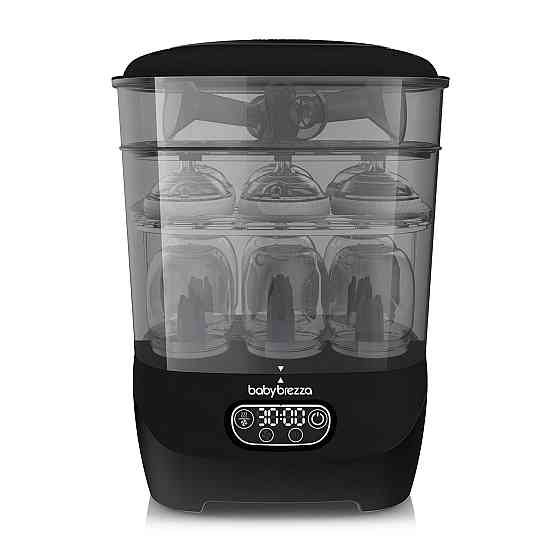
Feeding needs vary according to breastfeeding, expressed human milk, formula feeding, combination feeding, and medical circumstances. A breastfeeding caregiver may find nursing bras, absorbent breast pads, a comfortable feeding pillow used only while awake, and a manual or electric pump helpful. Pumping equipment should be assembled, cleaned, dried, and replaced according to the manufacturer’s instructions. A lactation consultant can help with latch difficulty, pain, milk transfer concerns, or pumping logistics.
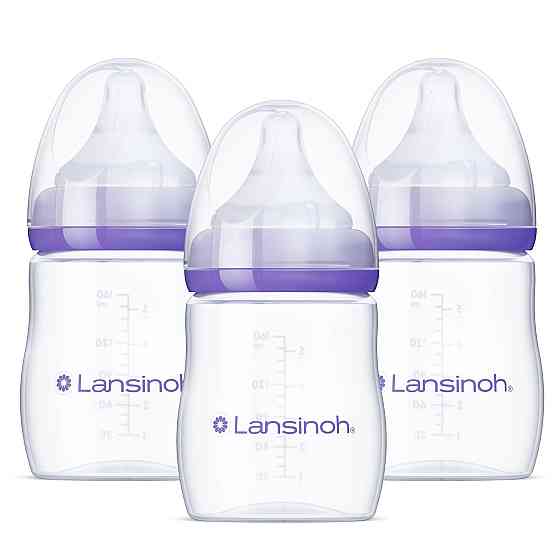
For bottle feeding, select a small number of bottles and nipples rather than buying a large set before you know what your baby tolerates. Use nipples with an age-appropriate flow and replace damaged or cloudy components. Prepare and store formula exactly according to product labeling and professional advice; do not dilute or concentrate feeds. Never prop a bottle or leave a baby to feed unattended, because this can increase choking, aspiration, and dental risks.
As complementary foods are introduced, useful supplies may include a stable high chair with a safety harness, shallow spoons, open or developmentally appropriate cups, bibs, and washable floor protection. Look for developmental readiness for solids, such as adequate postural control and the ability to bring food toward the mouth, rather than using age alone. Continue responsive infant feeding cues: hunger, satiety, fatigue, and distress should guide the interaction.
Build a simple diapering and hygiene station
Diapering requires fewer products than advertising suggests. Stock disposable or reusable diapers, wipes or soft cloths, a washable changing mat, diaper disposal supplies, and a small supply of barrier ointment. A zinc oxide barrier cream can help protect irritated skin from moisture and friction, but persistent, severe, blistering, bleeding, or spreading inflammation warrants clinical advice. Fragrance-free products are often a reasonable choice for reducing exposure to potential irritants, particularly when a baby has sensitive skin.
A dedicated changing table is optional. If you use one, keep one hand on the baby whenever the baby is on an elevated surface and keep supplies within reach before beginning. As soon as rolling becomes possible, floor-level changes may reduce fall risk. Never leave an infant alone on a bed, sofa, countertop, or changing station, even briefly.
For bathing, a stable infant tub can be convenient, but it does not replace direct supervision. Prepare lukewarm water, gather supplies first, and keep the baby within immediate reach throughout the bath. Mild cleanser, a soft washcloth, towels, nail files, and a digital thermometer are generally sufficient. Cotton swabs should not be inserted into the ear canal, and routine deep cleaning of a baby’s skin is unnecessary.
Prepare clothing and temperature-control items
Babies grow quickly, so a small rotating wardrobe is usually more practical than a large collection of newborn-size clothes. Useful basics include easy-access bodysuits, sleepwear, socks or footed garments, weather-appropriate outer layers, and a hat for outdoor conditions when advised locally. Choose garments that allow free movement and avoid cords, loose decorations, and tight elastic around the neck or limbs.
Temperature regulation is still developing during infancy. Dress a baby in approximately one more light layer than a comfortable adult in the same environment, then assess for overheating rather than relying only on hands and feet, which may feel cool normally. Sweating, flushed skin, unusually rapid breathing, or hot skin may indicate excessive warmth and should prompt removal of layers and clinical advice when concerning.
Blankets, coats, and bulky clothing should not be placed under harness straps in a car seat because they can reduce harness effectiveness. For outdoor warmth, secure blankets over the harness after the baby is buckled, or use a car-seat-compatible cover that does not cover the baby’s face. Keep loose blankets out of the sleep space; a properly fitted wearable layer is safer for sleep when warmth is needed.
Make travel and mobility safer
A rear-facing car seat that is appropriate for the baby’s size and installed according to both the vehicle and seat manuals is a core first-year purchase. Arrange installation before the birth or first trip home when possible, and use a certified child passenger safety technician or an official inspection service if available. Harness straps should lie flat and snug, with the chest clip positioned according to the manufacturer’s instructions. Avoid aftermarket inserts, head supports, or strap covers unless they are supplied or specifically approved by the seat manufacturer.
A stroller can support walks and errands, but it should be used according to its recline, weight, and developmental limits. Newborns generally need a fully supported, approved carrycot or lie-flat configuration unless the stroller manufacturer states that the seat is suitable for them. Never leave a stroller unattended near stairs, traffic, water, or other hazards, and use the restraint every time.
Baby carriers can be helpful for hands-free contact, but fit matters. The baby’s airway must remain visible and unobstructed, the chin should not be pressed to the chest, and the hips should be supported in a physiologic position. Follow age, weight, and positioning instructions, and avoid cooking, cycling, or other activities where a fall or heat exposure is possible.
Support development without overbuying
During the first year, the most valuable developmental tools are often simple: a clean floor space, a firm play mat used while the baby is awake and supervised, a few washable books, rattles, textured objects, and opportunities for face-to-face interaction. Choose toys without small detachable parts, accessible batteries, strong magnets, sharp edges, or long strings. Inspect frequently for cracks, loose pieces, and damage.
Use supervised floor play to allow reaching, turning, rolling, and eventually crawling. Tummy time should occur only while the baby is awake and observed; it is not a sleep position. As mobility increases, safety equipment becomes more important than additional toys. Install functioning smoke and carbon monoxide alarms, anchor unstable furniture, cover accessible electrical outlets where appropriate, secure window blind cords, and keep medicines, cleaning products, water, and small objects out of reach.
Home monitors, movement sensors, smart cameras, and specialized sleep gadgets are optional and do not replace direct supervision or safe sleep practices. Some can increase anxiety or create false reassurance. Consider privacy, data security, alarm reliability, and whether the device has credible evidence for improving outcomes. Caregiver wellbeing in infant care also matters: a comfortable chair, water bottle, night-light, and organized supplies may be more useful than another electronic product.
Review products as your baby changes
Product safety is dynamic because infant abilities change quickly. A bassinet that was suitable in the early weeks may no longer be appropriate once the baby reaches its weight limit, begins rolling, pushes up, or otherwise exceeds the manufacturer’s criteria. Reassess sleep equipment, swaddling practices, carriers, high chairs, bath supports, and stroller configurations whenever new motor skills appear.
Keep manuals and registration information, and check recall databases periodically. Replace products with missing hardware, altered designs, frayed restraints, mold, broken plastic, or unknown crash history. Do not rely on informal modifications, online hacks, or accessories that change how a safety product functions.
A useful purchasing question is whether an item solves a recurring problem safely, can be cleaned, fits the baby’s current stage, and remains useful as skills progress. Borrowing or buying fewer items can be sensible, but hygiene and safety-critical products require extra caution. When a baby has prematurity, neuromuscular impairment, airway concerns, feeding difficulty, or another medical condition, ask the healthcare team whether standard equipment needs modification or whether a specialist assessment is appropriate.
Safety warnings
- Seek urgent medical help for breathing difficulty, blue or gray coloration, severe lethargy, or unresponsiveness.
- Never place pillows, loose blankets, bumper pads, or soft toys in an infant sleep space.
- Do not leave a baby unattended on an elevated surface, in a bath, or while feeding.
- Stop using any product involved in a crash or showing structural damage until it has been professionally assessed or replaced.
- Contact a healthcare professional for concerns about feeding, hydration, recurrent vomiting, fever, injury, or unusual behavior.
Tools & Assistance
- A current crib, bassinet, or play-yard manual and product registration record
- A digital thermometer and a written list of healthcare and emergency contacts
- A local child passenger safety inspection service
- A recall-checking service for cribs, car seats, strollers, toys, and feeding equipment
- A pediatric clinician, lactation consultant, or occupational therapist when feeding or positioning is difficult
FAQ
What is the most important baby product to buy first?
A safe sleep space is usually the highest priority: a compliant crib, bassinet, portable crib, or play yard with a firm, flat mattress and a fitted sheet only. A properly installed rear-facing car seat is also needed before the first vehicle trip.
Do babies need a pillow or sleep positioner?
No. Pillows, positioners, wedges, bumper pads, and other soft or loose items should be kept out of the infant sleep area because they can obstruct the airway or contribute to suffocation.
How many bottles, diapers, and clothes should I buy?
Start with a modest supply because feeding preferences, skin tolerance, growth, and laundry routines differ. Add items after observing what works. Avoid stocking large quantities of a product before checking fit and usability.
Are baby monitors medically necessary?
For most healthy infants, consumer monitors are optional and do not replace safe sleep practices or supervision. If a clinician recommends monitoring for a specific medical reason, use the prescribed or clinically validated approach and clarify what alarms mean.
When should I buy a high chair and feeding utensils?
Buy them before complementary foods begin, but use them only when the baby shows developmental readiness and can sit with adequate support. Follow professional guidance for babies with developmental or swallowing concerns.
Sources
- American Academy of Pediatrics — HealthyChildren.org Safe Sleep Articles
- American Academy of Pediatrics — New safe sleep recommendations can help pediatricians guide families
- American Academy of Pediatrics — AAP Safe Infant Sleep Recommendation Technical Report
Disclaimer
This article is for general educational purposes and does not diagnose, treat, or replace advice from a qualified healthcare professional. Seek individualized guidance for your baby’s medical, developmental, feeding, or safety needs.















Please log in to leave a comment.