
Intro
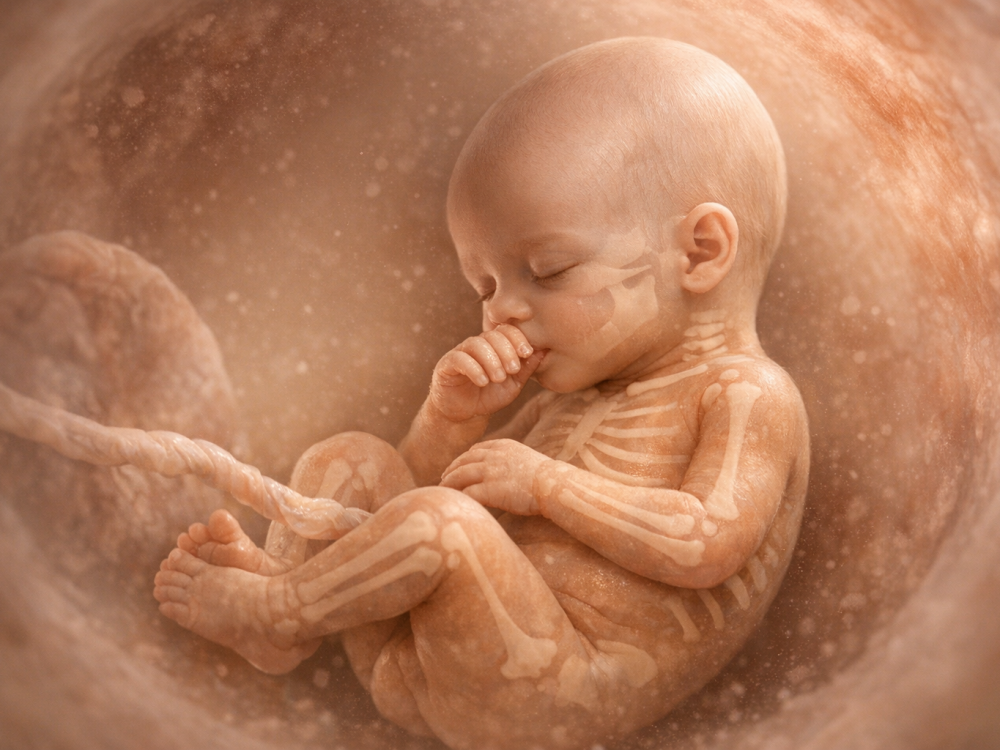
Week 17 of pregnancy is often a quietly exciting point in the second trimester. Many people feel more energetic than they did in the first trimester, and fetal development is becoming increasingly dynamic: the skeleton continues to mineralize, fat begins to accumulate beneath the skin, and early reflex pathways are maturing. Even if you cannot yet feel consistent movement, the fetus is active inside the uterus.
This week sits in a period of rapid structural and functional refinement. The baby’s body is becoming more proportionate, the placenta and umbilical cord are supporting increasing metabolic demands, and the nervous system is coordinating more complex movements such as swallowing and sucking. As always, pregnancy experiences vary, so use this information as a guide and bring personal questions to your midwife, obstetrician, or other qualified healthcare professional.
Highlights
Fat deposition begins to take on greater importance around this stage, supporting future temperature regulation and energy metabolism.
The fetal skeleton continues ossification, meaning cartilage is gradually hardening into bone while joints and limbs become more coordinated.
Reflex development is progressing, including swallowing and sucking movements that help prepare the baby for feeding after birth.
The fetus is active, but fetal movement may still feel subtle, intermittent, or absent to the pregnant person at 17 weeks.
Where you are in pregnancy at week 17
At 17 weeks pregnant, you are in the. The is expanding upward in the abdomen, and the is functioning as the major interface for oxygen, nutrient transfer, hormone production, and we removal. The is still small enough to move freely, but development is accelerating in ways are more functional than purely structural.
Many organs have already formed their basic architecture, and the coming weeks focus heavily on , tissue specialization, and physiologic maturation. The heart is active and efficient, circulation is well established, and the musculoskeletal and nervous systems are communicating more effectively. Week 17 is therefore a meaningful bridge between early formation and the more obvious of later pregnancy.
Some parents notice a changing center of gravity, round ligament discomfort, nasal congestion, breast changes, or increased appetite. Others feel relatively normal. Both patterns can be in the wide range of normal pregnancy, but any symptom that feels severe, sudden, or concerning deserves professional assessment.
Fat storage: why it matters now
One of the key developments around week 17 is the beginning and gradual continuation of fetal fat accumulation. This is not simply weight gain. Fetal adipose tissue contributes to energy storage, skin development, and later temperature regulation after birth. Before birth, the fetus lives in a thermally stable uterine environment; after birth, the newborn must maintain body temperature independently. Fat stores are one part of that transition.
Brown fat is especially important in newborn thermoregulation. Unlike white fat, which primarily stores energy, brown adipose tissue is metabolically active and can generate heat. Around this stage, early fat deposition under the skin begins to contribute to the baby’s developing body composition, although substantial fat gain will continue later in pregnancy, especially in the.
At 17 weeks, the fetus is still relatively lean, and the skin may appear thin because subcutaneous fat remains limited. Over time, fat accumulation helps smooth the skin and supports the protective layers that develop around it. The Mayo Clinic notes that fat gain begins and continues as pregnancy progresses, contributing to fetal skin support and preparation for life outside the .
For the pregnant person, supporting fetal growth does not mean eating for two in a literal sense. Nutrient quality matters: adequate protein, iron, iodine, calcium, vitamin D, folate, omega-3 fatty acids where appropriate, and overall energy intake all play roles. Specific needs vary depending on medical history, body size, dietary pattern, nausea, anemia risk, and other factors, so individualized guidance from a clinician or registered dietitian can be helpful.
Skeleton development and ossification
The fetal skeleton begins as a flexible framework, much of it made from cartilage. During the , ossification progresses: cartilage gradually becomes mineralized bone. This does not mean the entire skeleton becomes hard at once. It is a staged process that continues throughout pregnancy and well after birth, especially in the skull and long bones.
At week 17, bones are strengthening, joints are more defined, and limb movements are increasingly coordinated. This skeletal maturation supports the active stretching, turning, and flexing that may be visible on . The may bring hands toward the face, move the legs, or shift position in the amniotic fluid. These movements help stimulate musculoskeletal, much like movement supports muscle and joint function after birth.
Calcium and vitamin D are central to bone mineralization, but supplementation should be individualized. Many prenatal vitamins contain vitamin D and other micronutrients, while calcium intake often depends on diet. People who avoid dairy, have malabsorption conditions, take certain medications, or have a history of deficiency may need specific advice. It is best not to start high-dose supplements without discussing them with a healthcare professional.
Bone development also explains why ultrasound images can become more anatomically detailed during the . The spine, limbs, ribs, and skull may be increasingly visible, though image clarity depends on fetal position, gestational age, maternal anatomy, equipment, and the purpose of the scan.
Reflex development: swallowing, sucking, and movement
Reflex is one of the most fascinating aspects of week 17. The fetal nervous system is forming more complex connections between the brain, spinal cord, peripheral nerves, and muscles. These pathways allow automatic or semi-automatic actions to emerge, including swallowing and sucking .
Swallowing amniotic fluid is a normal fetal activity. It contributes to gastrointestinal tract practice and helps regulate the amniotic fluid environment. The kidneys are also producing urine, which contributes to amniotic fluid volume after the first trimester. These systems are not yet mature in the newborn sense, but they are actively rehearsing essential functions.
Sucking may also be developing. This is part of preparation for feeding after birth, when coordinated sucking, swallowing, and breathing will be necessary. At 17 weeks, this coordination is still immature, but the foundations are being laid. may occasionally capture hand-to-mouth ]] or rhythmic motions, although not every scan will show them.
Other motor reflexes and spontaneous continue to mature. The can flex and extend limbs, turn, and respond to internal stimuli. Some pregnant people begin to feel quickening around this period, often described as flutters, bubbles, tapping, or subtle rolling. First-time parents may not recognize fetal until later, often closer to 18 to 22 weeks. l location matters too: an anterior placenta can cushion movement and make sensations less noticeable early on.
Skin, vernix, hair, and fingerprints
Week 17 also brings visible changes to the surface. Fine hair may be present, and hair on the head and eyebrows can be . The skin remains delicate, but protective features are emerging. Vernix caseosa, a creamy protective coating, begins forming during the and helps protect fetal skin from prolonged exposure to amniotic fluid.
The may also be unique skin patterns on the fingers and toes. Fingerprints are influenced by genetic and intrauterine factors, and their formation is part of the broader maturation of the skin and underlying tissues. These details are small but remarkable signs of individual .
Because the skin is still thin and fat stores are early, the does not yet have the rounded appearance of a term newborn. That fuller newborn look comes later, as subcutaneous fat increases and the body continues to grow.
What you may feel in your body
At 17 weeks, symptoms vary widely. Some people feel more stable energy, reduced nausea, and renewed appetite. Others continue to experience fatigue, headaches, constipation, reflux, mood changes, back discomfort, or pelvic stretching sensations. The uterus is enlarging, ligaments are adapting, and blood volume continues to rise, all of which can create new physical sensations.
Common experiences may include:
- Intermittent lower abdominal pulling or sharp twinges, often related to round ligament stretching
- Mild swelling or a sense of fullness due to fluid and circulatory changes
- Increased vaginal discharge that is thin or milky, without strong odor or irritation
- Changing sleep comfort as the abdomen grows
- Occasional lightheadedness, especially when standing quickly or going long periods without food
Comfort measures can include changing positions slowly, staying hydrated, eating regular balanced meals, using pillows for support, and choosing gentle activity if approved by your clinician. However, do not assume all discomfort is benign. Persistent pain, bleeding, fever, severe vomiting, or symptoms that feel unusual for you should be discussed promptly with a healthcare professional.
Appointments, screening, and the upcoming anatomy scan
Week 17 often falls between routine prenatal visits, depending on your care schedule. Many people are preparing for the mid-pregnancy anatomy , commonly performed 18 to 22 weeks. This scan evaluates anatomy, growth, placental location, amniotic fluid, and certain structural markers. It is not a guarantee that every condition can be detected, but it is an important screening tool.
Depending on your location, history, and previous results, your clinician may also discuss second-trimester serum screening, genetic screening options, cervical length assessment in selected cases, or follow-up for conditions such as hypertension, diabetes risk, thyroid disease, anemia, or prior pregnancy complications. The right plan depends on your medical background and preferences.
This is a good time to write down questions before appointments. You might ask about expectations, nutrition, exercise, travel, sleep position, workplace exposures, medications, vaccines, and warning signs. If you are feeling anxious, that is also worth mentioning; emotional wellbeing is a legitimate part of prenatal care.
Supporting development safely
Healthy pregnancy support is usually built from consistent, realistic habits rather than perfection. The fetus is developing fat stores, bones, muscles, and reflex pathways, and your body is doing substantial metabolic work. Gentle routines can help you feel more grounded.
Helpful areas to discuss with your healthcare team include:
- Nutrition: balanced meals with protein, complex carbohydrates, healthy fats, and micronutrient-rich foods
- Hydration: especially if you have headaches, constipation, or dizziness
- Movement: pregnancy-appropriate activity such as walking, swimming, or prenatal exercise when medically suitable
- Medication safety: reviewing prescriptions, over-the-counter medicines, and supplements before use
- Sleep and posture: using side-lying positions and supportive pillows as comfort needs change
If you have a high-risk pregnancy, a history of preterm birth, placenta-related concerns, bleeding, significant pain, or medical conditions requiring monitoring, follow individualized instructions from your care team rather than general pregnancy advice.
When to seek medical advice
- Vaginal bleeding, fluid leakage, or a sudden change in discharge should be assessed promptly.
- Severe or persistent abdominal, pelvic, shoulder, or back pain needs medical guidance.
- Fever, chills, painful urination, or symptoms of infection should not be ignored.
- Severe headache, visual changes, fainting, chest pain, or shortness of breath requires urgent evaluation.
- If something feels wrong or markedly different for you, contact your maternity care team.
Tools & Assistance
- Prenatal appointment question list
- Pregnancy-safe nutrition consultation with a registered dietitian
- Routine mid-pregnancy anatomy ultrasound scheduling
- Medication and supplement review with a pharmacist or clinician
- Symptom diary for pain, discharge, headaches, or fetal movement concerns
FAQ
Should I feel the baby move at 17 weeks?
Some people feel early flutters at 17 weeks, but many do not, especially in a first pregnancy or with an anterior placenta. Ask your clinician what to expect in your situation.
What does fat storage do for the fetus?
Early fat deposition supports energy storage, skin development, and later temperature regulation. Brown fat is especially important for heat production after birth.
Is the baby’s skeleton fully formed at week 17?
The basic skeletal framework is present, but ossification and mineralization are ongoing. Bone development continues throughout pregnancy and childhood.
Are swallowing and sucking reflexes normal this early?
Yes. Swallowing and early sucking movements can develop during the second trimester as the nervous system and muscles become more coordinated.
Can ultrasound show these developments at 17 weeks?
Ultrasound may show movement, limb position, skeletal structures, and sometimes hand-to-mouth activity, but visibility depends on fetal position, equipment, and scan purpose.
Sources
- Mayo Clinic — Fetal development: The 2nd trimester
- WebMD — Your Pregnancy Week by Week: Weeks 17-20
- Ultrasound Ireland — Your Pregnancy Week 17
Disclaimer
This article is for general educational purposes only and does not replace personalized medical advice, diagnosis, or treatment. Always consult your obstetrician, midwife, or qualified healthcare professional about symptoms, screening, medications, and pregnancy concerns.
















Please log in to leave a comment.