

Intro
A crying newborn can be deeply stressful, even when you understand that crying is a normal form of communication. In the first weeks, babies rely on caregivers to help regulate hunger, temperature, comfort, sensory input, and transitions between wakefulness and sleep.
There is no single method that settles every baby. Gentle, responsive care and a calm process of checking likely needs usually work better than rapidly trying many techniques at once. If crying feels unusual, persistent, or accompanied by signs of illness, seek advice from a pediatric healthcare professional promptly.
Highlights
Newborns often settle best when caregivers first address basic needs such as feeding, a clean diaper, burping, comfort, and an appropriate temperature.
Close physical contact, rhythmic movement, and steady low-level sound can support behavioral regulation when used gently and safely.
A consistent, low-stimulation approach helps reduce sensory overload; signs of escalating distress deserve a pause and reassessment.
Persistent or atypical crying should be discussed with a healthcare professional, especially in a young infant.
Start with a calm needs check
For a newborn, crying is usually communication rather than misbehavior. It may signal hunger, a wet or soiled diaper, discomfort from clothing, fatigue, a need to burp, feeling too warm or cool, or a wish for contact. Begin with a brief, unhurried assessment instead of assuming a single cause. A predictable sequence can also help an exhausted caregiver think clearly: feed if the baby is showing hunger cues, change the diaper if needed, burp after a feed, and check that the clothing and room temperature are comfortable.
Hunger cues can precede crying and may include rooting, bringing hands toward the mouth, lip smacking, or increased alertness. Crying is often a later cue, so a very distressed baby may need a short period of holding and calming before feeding effectively. For bottle-fed babies, avoid pressure to finish a bottle; pauses and attention to fullness cues can reduce distress related to overfeeding or swallowed air. If feeding is consistently painful, difficult, or associated with frequent coughing, choking, poor intake, or inadequate wet diapers, contact the infant’s clinician or feeding support professional.
Consider the wider setting as well. Newborn nervous systems are immature, and ordinary household activity can become overwhelming when a baby is tired. Bright light, multiple voices, frequent passing between caregivers, or repeated attempts at a new technique may increase arousal. Reducing stimulation is often a practical first intervention. This cue-based approach is also central to sensory activities for newborns: the baby’s state and signals should guide the pace and intensity of interaction.
Use supportive touch and close holding
Warm, steady touch is one of the most accessible ways to soothe a newborn. Hold the baby close against your chest, supporting the head and neck, and speak quietly or simply breathe at a slow, regular pace. Some babies settle with an upright cuddle after a feed, particularly while being burped. Others respond to gentle back rubbing or slow, firm pats. Avoid vigorous jiggling, bouncing, or rubbing, because newborns have limited head control and delicate neck structures.
Skin-to-skin contact can be calming for a newborn and may support temperature regulation, feeding, and caregiver-infant bonding. Place the diapered baby upright on the bare chest of an awake adult, with the head turned to one side and the nose and mouth clearly visible. Cover the baby’s back with a light blanket or clothing as appropriate, while monitoring for overheating. The adult should remain awake, alert, and seated or reclined in a position that cannot allow the baby to slip or become trapped.
Some newborns enjoy a secure swaddle during quiet awake time or before being placed down to sleep, while others dislike it. If swaddling is used, keep it snug around the chest but loose around the hips and legs, use a lightweight material, place the baby on their back, and stop once there are signs of attempted rolling. Do not use weighted swaddles or weighted products. For ongoing sleep, a non-weighted wearable blanket may be more practical than loose bedding, provided it fits properly and does not overheat the baby.
Offer gentle rhythm and movement
Newborns have spent months experiencing the small, repetitive movements and sounds of the uterus. It is therefore unsurprising that controlled rhythm may be settling. Walking slowly while holding the baby securely, rocking in a chair, or using a gentle side-to-side sway can help some babies transition from an alert, crying state to a calmer one. Keep all movement smooth and small. Never shake a baby, toss them in the air, or use rapid bouncing; even brief violent shaking can cause serious brain injury.
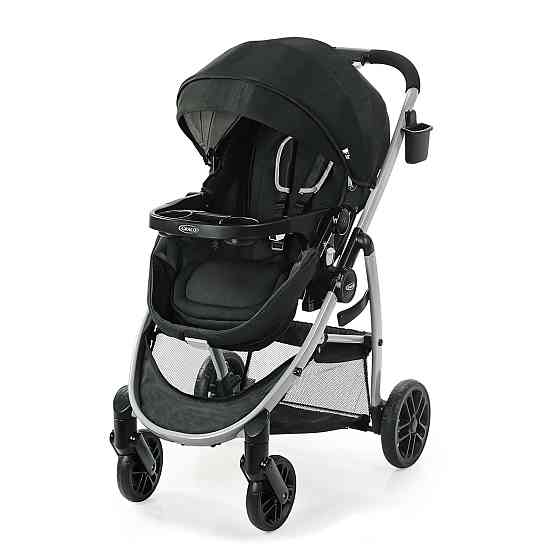
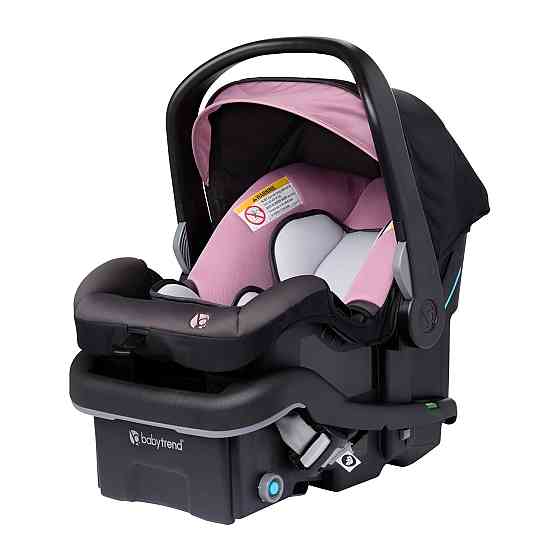
A stroller walk may help when the weather, environment, and caregiver capacity permit. Use the stroller according to its instructions, secure the harness correctly, and observe the baby throughout. Car journeys should not be used as a routine sleep solution, and car seats are not intended as a regular sleep surface outside travel. If the baby falls asleep in a sitting device, transfer them to a firm, flat, separate infant sleep surface as soon as practical.
It is useful to give one method several quiet minutes before changing course. Constantly switching from rocking to feeding to sound to play can add stimulation and make it difficult to recognize what the baby finds soothing. Notice individual patterns: a baby might settle with slow walking before feeds but prefer stillness and a hand on the chest when overtired. These observations can form a simple, adaptable low-stimulation evening routine without implying that crying reflects poor caregiving.
Use sound and a quieter sensory environment
A calm human voice, humming, singing, or steady background sound can soothe some newborns. The important features are usually predictability and low intensity, rather than a particular song or device. A study of well neonates reported that soothing music affected neonatal behavioral states and state lability, supporting the idea that carefully chosen calming sound may help some infants settle. Individual responses vary substantially, so treat sound as one option rather than a guaranteed intervention.
Keep sound at a quiet conversational level and position any sound source away from the baby’s ears. Avoid headphones, loud speakers near the crib, television noise, and continuous high-volume sound. Silence may be better for a baby who turns away, stiffens, flails, becomes more frantic, or cannot settle despite multiple sensory inputs. Those can be newborn overstimulation cues, especially late in the day when tolerance for activity may be lower.
Pair sound with an environment that supports down-regulation: dim lights, fewer voices, slow handling, and pauses between care tasks. Looking into the baby’s face and talking softly may be enough during an alert, content period. When the baby is visibly tired, reduce social engagement rather than trying to entertain them. A quiet room and familiar caregiver voice can be more effective than an elaborate soothing device.
Protect safe sleep while soothing
Soothing should always be compatible with safer sleep practices. When a newborn is ready to sleep, place them on their back on a firm, flat sleep surface designed for infants, such as a properly assembled crib, bassinet, or bedside sleeper. Keep the sleep area clear of pillows, loose blankets, stuffed toys, nests, positioners, wedges, and other soft objects. These items can increase the risk of suffocation or entrapment, even if marketed as comforting.
It is understandable to doze off during a long night of holding a crying baby. However, couches, armchairs, recliners, and adult beds can become hazardous if a caregiver falls asleep while holding an infant. If you feel drowsy, put the baby down in their own safe sleep space before sleep overtakes you, then ask another alert adult for support when possible. Never leave a baby unattended on a sofa, bed, changing surface, or swing.
Some caregivers worry that a baby who seems to prefer an inclined position must have reflux or another disorder. Preference for being held upright is not diagnostic. Discuss persistent feeding discomfort, vomiting, poor growth, breathing concerns, or distress that is difficult to settle with the baby’s clinician. Do not improvise sleep positioning or use infant sleep positioners in response to these concerns. Safe soothing strategies for newborns should not depend on products that alter the sleep position.
Know when crying needs medical attention
Most newborn crying is benign, but very young infants can become unwell quickly and may show subtle signs. Trust the sense that your baby’s cry, behavior, color, breathing, feeding, or responsiveness is different from usual. Contact a healthcare professional for tailored advice when crying is persistent, newly intense, or repeatedly difficult to console, particularly if it affects feeding or sleep over time. A pediatrician review for persistent crying can help assess feeding, growth, infection risk, gastrointestinal symptoms, and other concerns without assuming a cause.
Seek urgent medical assessment for a newborn with fever, difficulty breathing, blue or gray color, marked lethargy, poor responsiveness, a weak or unusually high-pitched cry, repeated vomiting, green vomit, a seizure, signs of dehydration, or a swollen or tender-looking abdomen. In infants younger than 3 months, a rectal temperature of 38 C (100.4 F) or higher requires urgent clinical advice. Follow local emergency guidance if the baby appears severely ill or you are concerned about immediate safety.
Prolonged crying can also strain caregivers. Put the baby safely on their back in the crib or bassinet and step away briefly if you feel overwhelmed, while staying close enough to hear them. Call a trusted person, healthcare service, or emergency support if you fear you may lose control. Taking a short caregiver break during newborn crying protects both you and your baby.
When to seek urgent help
- Seek urgent advice for a rectal temperature of 38 C (100.4 F) or higher in a baby younger than 3 months.
- Call emergency services for breathing difficulty, blue or gray color, seizure activity, collapse, or severe unresponsiveness.
- Get prompt medical assessment for repeated vomiting, green vomit, poor feeding, dehydration, or a markedly unusual cry.
- Never shake a baby or use forceful bouncing to stop crying.
- If you feel close to losing control, place the baby safely in their crib or bassinet and get immediate support.
Tools & Assistance
- Pediatrician or family physician
- Local urgent-care or emergency service
- Lactation consultant or infant feeding support
- A trusted adult who can take a supervised caregiving shift
- Safe crib, bassinet, or bedside sleeper with a firm flat mattress
FAQ
How long should I try one soothing technique before changing it?
Try a gentle method for several quiet minutes while watching the baby's response. If distress escalates or the baby shows discomfort, pause, reassess basic needs, and try a lower-stimulation option.
Can white noise help a newborn sleep?
Some newborns settle with steady low-level sound. Keep it quiet, place the device away from the sleep space, and do not use loud or continuous sound close to the baby's ears.
Is it safe to let a newborn cry for a few minutes?
A brief pause is acceptable when the baby is in a safe sleep space and you need to regain composure. Newborns still need responsive care, so return after a short break and reassess their needs.
Does crying mean my newborn has colic?
Not necessarily. Crying has many common causes in newborns. Discuss prolonged, patterned, or hard-to-console crying with the baby's healthcare professional rather than trying to diagnose colic yourself.
Sources
- Mayo Clinic — Crying baby: What to do when your newborn cries
- National Health Service — Soothing a crying baby
- PubMed — The effect of soothing music on neonatal behavioral states and state lability in well neonates
Disclaimer
This article provides general educational information and is not a diagnosis or a substitute for care from a qualified healthcare professional. Seek urgent medical advice for concerning symptoms in a newborn.
















Please log in to leave a comment.