
Intro
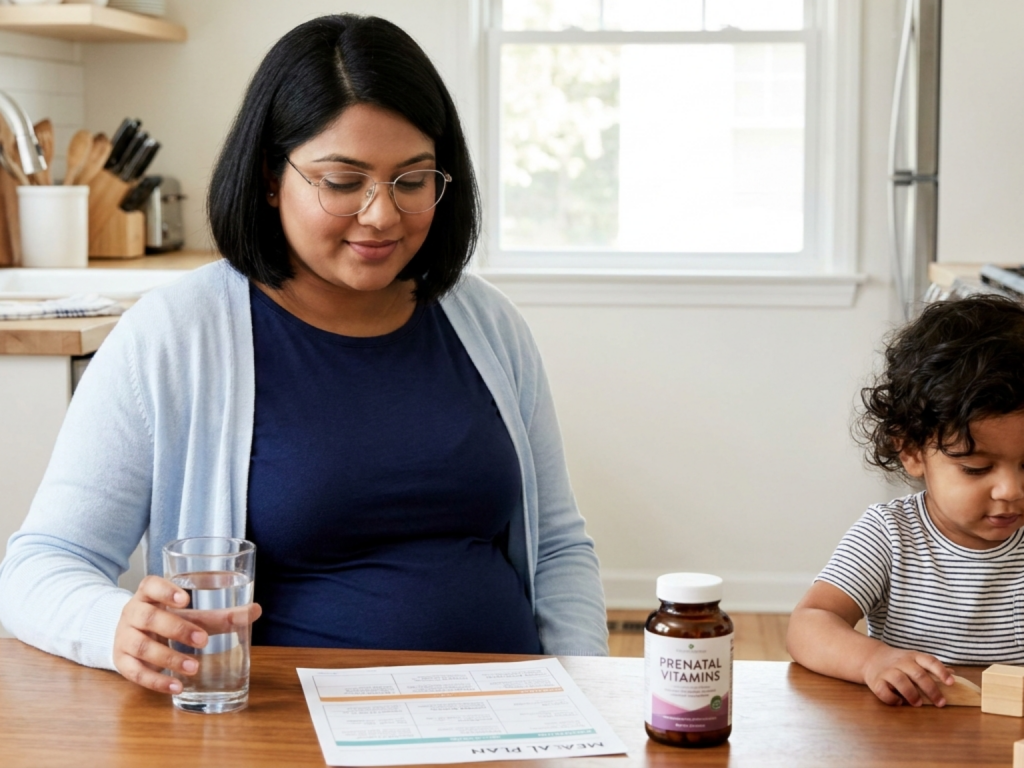
Finding out you are pregnant while still breastfeeding can bring up mixed feelings: relief, worry, tenderness, guilt, and practical questions about your own body. For many families, the key issue is not whether breastfeeding must stop immediately, but whether maternal nutrition, hydration, and pregnancy safety remain adequate. In most cases, breastfeeding does not need to stop just because a new pregnancy has begun.
At the same time, pregnancy and lactation are both metabolically demanding states. Energy needs, fluid needs, and micronutrient requirements may rise, and the combined burden can make some people feel depleted faster. This article explains what to watch for, how to support nutrition if you continue, and when it may be time to discuss gradual weaning with your obstetric and pediatric clinicians.
Highlights
There is no single universal time when breastfeeding must stop during pregnancy; the decision depends on maternal health, fetal wellbeing, and family goals.
If you continue, focus on adequate calories, fluids, protein, and nutrient-dense foods because pregnancy plus lactation increases physiologic demand.
A drop in milk supply during pregnancy is common and does not automatically mean something is wrong.
If nutrition, hydration, or pregnancy symptoms become difficult to maintain, clinicians may recommend reducing feeds or weaning.
Gradual weaning is usually gentler than abrupt stopping for both the breastfeeding parent and the child.
Can breastfeeding continue during pregnancy?
For many people, yes. Pregnancy itself is not an automatic reason to stop breastfeeding. The practical question is whether continuing is compatible with maternal comfort, nutrition, and the clinical course of the pregnancy. Some people breastfeed through pregnancy without major difficulty, while others notice fatigue, nipple sensitivity, nausea, or a marked change in milk supply. Those differences matter more than a calendar date.
It is also helpful to separate emotional readiness from medical necessity. A parent may choose to wean for personal reasons even when breastfeeding is medically permissible. Others may want to continue and can do so with attention to calorie intake, rest, hydration, and symptom monitoring. The World Health Organization notes that breastfeeding can continue well beyond infancy, and the Canadian Paediatric Society review similarly emphasizes that there is no universal stopping point. In other words, the question is usually not when must I stop? but rather what does my body and pregnancy need right now?
That framing is often reassuring: if the pregnancy is uncomplicated and you are meeting your nutritional needs, breastfeeding may remain an option rather than an obligation to quit.
Nutritional needs when pregnancy and lactation overlap
Breastfeeding already increases maternal demands for calories, fluids, and nutrient-dense foods. Pregnancy adds another layer: expanding blood volume, placental growth, fetal tissue formation, and maternal tissue adaptation all require resources. A useful way to think about this is through trimester calorie needs and overall dietary quality, rather than assuming one fixed intake fits everyone.
In practice, the most important priorities are often simple:
- Energy: regular meals and snacks can help offset increased appetite and fatigue.
- Protein: include a protein source at each meal to support maternal tissue and fetal growth.
- Fluids: lactation and pregnancy both increase fluid requirements, and dehydration can worsen constipation, dizziness, and exhaustion.
- Micronutrients: iron, folate, calcium, iodine, and vitamin D often deserve special attention, especially if dietary intake is limited.
If nausea, food aversion, or time pressure make eating harder, a pregnancy nutrient-dense eating pattern can be more realistic than trying to eat perfectly. Think in terms of compact, high-value foods: yogurt, eggs, beans, fortified cereals, nuts, dairy or calcium-fortified alternatives, fruit, vegetables, and iron-rich options paired with vitamin C to improve absorption. Many clinicians also continue to recommend a prenatal vitamin, but any supplement plan should be individualized.
When in doubt, the goal is not to eat for two or to chase a specific number. The goal is to maintain maternal reserves well enough that both pregnancy and lactation remain sustainable.
When breastfeeding may need to be reduced or stopped
There is no single universal cutoff, but there are situations where stopping or reducing breastfeeding deserves prompt discussion. The most important issue is whether continued nursing is contributing to inadequate maternal intake, worsening pregnancy symptoms, or adding clinical strain. If you are struggling to maintain weight, cannot keep up with hydration, or find that feeding sessions leave you too depleted to eat and rest, your clinician may suggest reducing feeds or weaning.
Other reasons to reassess include persistent uterine cramping, significant nipple pain that is not improving, severe nausea that is amplified by nursing, or a pregnancy that your obstetric team considers high-risk. In those settings, the question is not whether breastfeeding is morally right or wrong; it is whether the balance of benefit and burden still makes sense medically. This is where the phrase breastfeeding while pregnant safety becomes highly individual rather than abstract.
A drop in milk supply is also common during pregnancy because hormonal changes alter lactation physiology. The term milk supply decrease in pregnancy often reflects a normal shift rather than failure. For some families, that change is enough to support a gentle transition away from breastfeeding, especially if the child is older and the parent feels ready. For others, it simply means that nursing has become less productive and may need to be supplemented or shortened.
How to support nutrition if you keep breastfeeding
If you decide to continue, the most helpful strategy is usually structure. Many people do better with planned snacks, a predictable hydration routine, and enough rest to keep appetite cues from becoming chaotic. Small, frequent meals can be especially useful if nausea is still present, because long gaps between meals can make both pregnancy nausea and lactation fatigue feel worse.
Try to build each eating occasion around a few anchors: a protein source, a complex carbohydrate or fruit, and a calcium- or iron-rich food somewhere in the day. Examples include oatmeal with nut butter, eggs with toast, lentils with rice, yogurt with fruit, or a smoothie made with fortified milk or a fortified alternative. If you have a history of anemia, restricted eating, vegetarian patterns, or twin pregnancy, you may need even closer attention to iron and total energy intake.
Monitoring matters as much as meal choice. Unintentional weight loss, persistent lightheadedness, dark urine, worsening constipation, or feeling unable to recover between feeds can all suggest that intake is not keeping pace. This is one reason Nutrition needs by trimester is a useful concept: the demand is not static, and what worked at the start of pregnancy may be insufficient later.
A registered dietitian can help you translate pregnancy goals into a practical meal plan that respects lactation, appetite changes, budget, and food aversions. That support can be especially valuable if you want to continue breastfeeding but are worried about getting enough nourishment.
How to wean gently if stopping becomes the right choice
If you and your clinician decide that breastfeeding should stop, gradual weaning is usually more comfortable than stopping abruptly. Slowly reducing the number or length of feeds gives your body time to adjust milk production and can lower the risk of engorgement, plugged ducts, and emotional distress. It also gives the child time to adapt to a new feeding pattern.
For an older toddler or child, you might begin by dropping one feed at a time, replacing it with food, a cup, or another comforting routine. For a younger infant, the feeding plan should be coordinated with the pediatric clinician because the nutritional implications are much greater. The WHO guidance reminds us that breast milk is the main source of nutrition for the first months of life, with complementary foods introduced around 6 months while breastfeeding continues. If the child is under 1 year, any reduction in breast milk needs a clear alternative plan.
Weaning is not only a nutritional transition; it is also an attachment transition. Keeping a consistent bedtime ritual, offering extra cuddles, or shortening rather than eliminating a session can help preserve closeness while the body adjusts. If you feel ambivalent, that is normal. Many parents grieve the end of breastfeeding even when they know it is medically or practically the right decision.
What the infant or child needs during the transition
The nutritional meaning of stopping breastfeeding depends heavily on the child’s age. For infants in the early months, breast milk or an appropriate alternative remains the main source of calories, fluid, and immune support. As solids are introduced, the child still depends on milk as a major nutrient source for some time. The WHO recommends exclusive breastfeeding for about the first 6 months, followed by nutritionally adequate complementary foods while breastfeeding continues up to 2 years or beyond if desired.
That means a breastfeeding child who is older than 6 months may have more flexibility during a weaning transition, but age still matters. Younger infants need a much more careful handoff than toddlers do. If the child is already taking solids well, stopping breastfeeding may be mostly about replacing comfort and routine. If the child is still early in the complementary-feeding phase, the focus must stay on adequate milk or formula intake and overall growth.
In either case, the parent and child benefit from a plan rather than an abrupt shift. Ask what the replacement feeding strategy should be, how growth will be monitored, and when to seek help if the child seems unsettled, constipated, or less interested in eating. A smooth transition protects both nutrition and emotional security.
When to seek medical advice promptly
- Contact your obstetric clinician urgently if you have vaginal bleeding, regular contractions, or significant abdominal pain.
- Seek help if you cannot keep fluids down, are losing weight, or feel persistently weak or dizzy.
- If breastfeeding is for an infant under 6 months, do not reduce feeds without a feeding plan.
- Get support if sudden weaning causes severe engorgement, fever, or signs of mastitis.
- Ask for review if pregnancy symptoms or fatigue make it hard to eat enough for both pregnancy and lactation.
Tools & Assistance
- Obstetric prenatal visit to review pregnancy risk level and weight trends
- Lactation consultant for feeding frequency, supply changes, and weaning planning
- Registered dietitian for calorie, protein, and micronutrient planning
- Pediatric follow-up to protect the child’s nutrition during any transition
FAQ
Do I have to stop breastfeeding as soon as I find out I am pregnant?
No. Many people can continue breastfeeding if the pregnancy is uncomplicated and nutrition is adequate, but you should review your situation with your clinician.
Is it normal for milk supply to drop during pregnancy?
Yes. A decrease in supply is common because pregnancy hormones change lactation physiology.
What nutrients deserve the most attention if I keep breastfeeding?
Calories, fluids, protein, iron, folate, calcium, iodine, and vitamin D are especially important, though your individual needs may differ.
If I stop breastfeeding, should I do it gradually?
Usually yes. Gradual weaning is often more comfortable and makes the transition easier for both parent and child.
Sources
- World Health Organization — Infant and young child feeding
- Mayo Clinic — Breastfeeding nutrition: Tips for moms
- Paediatrics & Child Health / Canadian Paediatric Society — Weaning from the breast
Disclaimer
This article is for general information only and does not replace individualized medical advice. Always consult your obstetric, pediatric, or lactation clinician before changing breastfeeding during pregnancy or starting supplements.
















Please log in to leave a comment.