
Intro
Starting to try to conceive can feel both hopeful and unexpectedly technical. The goal is not to make every cycle feel like a medical project, but to understand the few factors that matter most: ovulation timing, sperm exposure during the fertile window, preconception health, and knowing when to ask for help.
Highlights
The highest-yield first step is regular unprotected sex, ideally every day or every other day around ovulation.
Preconception care includes folic acid, medication review, vaccination review, smoking and alcohol cessation, and screening for infections when appropriate.
Cycle tracking can help identify the fertile window, but it should support intimacy rather than create pressure.
Seek fertility guidance earlier if you are 35 or older, have irregular cycles, known reproductive conditions, or a history suggesting reduced fertility.
Start with a preconception health check
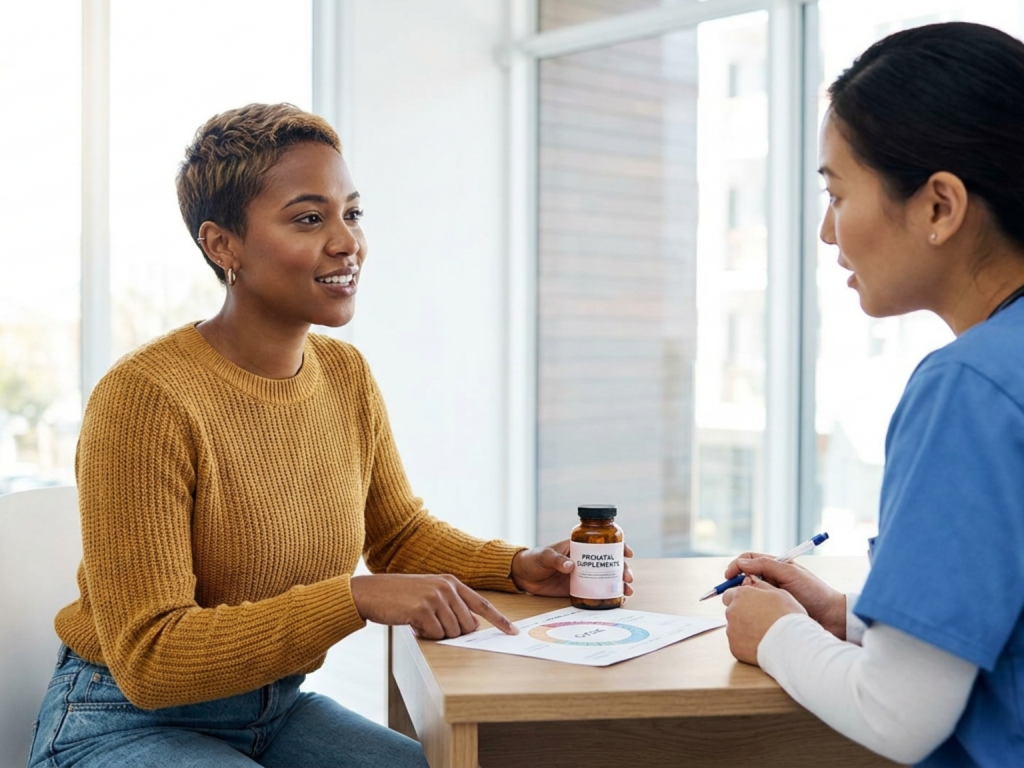
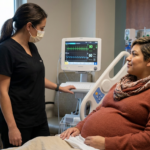
Trying to conceive correctly begins before the first intentionally unprotected cycle. A preconception visit with an obstetrician-gynecologist, family physician, midwife, or other qualified clinician can identify issues that are easier to address before pregnancy. This is especially useful if you have chronic conditions such as diabetes, thyroid disease, hypertension, epilepsy, autoimmune disease, kidney disease, depression, or a history of pregnancy complications.
Bring a complete medication and supplement list, including over-the-counter products and herbal preparations. Some medicines are safe in pregnancy, some need dose adjustment, and some should be changed before conception under medical supervision. Do not stop prescribed medication abruptly without advice, because uncontrolled underlying disease can also carry pregnancy risks.
Ask about vaccination status, including rubella, varicella, influenza, COVID-19, and other vaccines relevant to your situation and local guidance. Some vaccines are ideally given before pregnancy, while others may be recommended during pregnancy. If there is any risk of sexually transmitted infections, screening and treatment before conception can protect fertility and reduce pregnancy complications.
It is also reasonable to discuss family history, previous miscarriages, menstrual irregularity, pelvic infection, endometriosis, polycystic ovary syndrome, prior pelvic surgery, and male-factor concerns such as testicular surgery, chemotherapy, or known semen abnormalities. This conversation does not mean something is wrong; it simply helps tailor the plan to your biology.
Use folic acid and review prenatal vitamins
Most people trying to conceive should start folic acid before pregnancy because the neural tube develops very early, often before a missed period. Many prenatal vitamins contain folic acid or folate along with iodine, vitamin D, iron, and other nutrients, but formulations vary. A clinician can advise whether a standard prenatal is appropriate or whether a higher folic acid dose is needed because of specific medical history, medications, or previous pregnancy factors.
A supplement is not a substitute for a balanced diet, but it can fill predictable gaps during the preconception period. Focus on regular meals with vegetables, fruit, whole grains, legumes, nuts, dairy or fortified alternatives, fish low in mercury, eggs, lean proteins, and healthy fats. If you follow a vegan diet, have gastrointestinal disease, have had bariatric surgery, or have restricted intake, ask about nutrients such as vitamin B12, iron, iodine, vitamin D, calcium, and omega-3 fatty acids.
More is not always better. High-dose supplements, retinoid forms of vitamin A, and certain herbal products may be inappropriate when trying to conceive. Choose reputable products and discuss unusual or high-dose supplements with a healthcare professional.
Understand ovulation and the fertile window
Conception is most likely when sperm are present in the reproductive tract before ovulation. Sperm can survive for several days in fertile cervical mucus, while the egg is viable for a shorter time after release. This creates a fertile window of several days leading up to ovulation and the day of ovulation itself.
If cycles are regular, ovulation often occurs about 12 to 16 days before the next period, not necessarily on day 14. For a 28-day cycle, that may be close to day 14; for a 35-day cycle, it may be closer to day 21. Because ovulation timing varies, many couples do best by having sex every two to three days throughout the cycle, with more attention to the days when ovulation is likely.
The practical advice is simple: have vaginal intercourse daily or every other day around the fertile window. This frequency provides repeated sperm exposure without requiring perfect prediction. Using sperm-friendly lubricants may be worth discussing if dryness is a problem, because some lubricants can impair sperm movement in laboratory settings.
Try not to interpret a single cycle as a verdict. Even with well-timed intercourse and no fertility problems, pregnancy is not guaranteed each month. Variation is normal, and it is common for conception to take several cycles.
Choose tracking methods that fit your life
Fertility awareness methods can help you estimate ovulation, especially if you want more precision or have infrequent opportunities for intercourse. The calendar method uses cycle length patterns to estimate fertile days. It works best when cycles are fairly regular and you have several months of cycle data.
Basal body temperature tracking involves taking your temperature every morning before getting out of bed. After ovulation, progesterone usually causes a small sustained temperature rise. This confirms that ovulation likely occurred, but because the rise happens after ovulation, it is better for learning patterns than for predicting the most fertile day in real time.
Cervical mucus tracking can be more immediately useful. As estrogen rises before ovulation, mucus often becomes clearer, wetter, stretchier, and more slippery. These mucus changes indicate rising fertility. Ovulation predictor kits detect luteinizing hormone in urine and can identify the hormonal surge that typically precedes ovulation.
Combining methods can improve confidence: for example, calendar estimates plus cervical mucus observations, or ovulation predictor kits plus cycle history. However, tracking should reduce uncertainty, not increase distress. If testing makes sex feel pressured or causes significant anxiety, a less intensive strategy, such as intercourse every other day during the middle part of the cycle, may be more sustainable.
Build supportive lifestyle fertility habits
Lifestyle cannot guarantee pregnancy, and infertility is never a moral failure. Still, several habits influence ovulation, sperm quality, implantation conditions, and pregnancy health. If you smoke, seek help to stop before pregnancy. Smoking is associated with reduced fertility and increased pregnancy risks. Avoiding alcohol while trying to conceive is also a cautious approach, especially because early pregnancy may not be recognized immediately.
Weight can affect reproductive hormones, ovulation, and pregnancy risk, but the most helpful goal is medically guided health optimization rather than rapid or extreme weight change. Both underweight and obesity can be associated with ovulatory dysfunction. If weight is a concern, a clinician or dietitian can help create a realistic plan that protects nutrition.
Regular moderate physical activity supports cardiometabolic health and emotional well-being. Very intense exercise combined with low energy availability, especially in someone underweight or missing periods, can interfere with ovulation. In that situation, medical review is important rather than simply exercising harder.
For male partners, sperm development takes roughly several months, so preconception habits matter there too. Avoid tobacco, anabolic steroids, excessive alcohol, and heat exposure to the testes when possible. Chronic illness, medications, prior infections, and occupational exposures may also be relevant. Fertility is shared physiology, so both partners deserve assessment when pregnancy is not happening as expected.
Protect emotional health and the relationship
Trying to conceive often begins with optimism, but the waiting can become emotionally demanding. Timed intercourse, pregnancy tests, period tracking, and social comparisons can make a private hope feel constantly measured. This emotional load is real even when the medical plan is straightforward.
Agree in advance how much tracking feels acceptable, how often to discuss cycle details, and whether you want a break from ovulation tests in some cycles. Some couples prefer a structured plan; others do better with regular sex and minimal monitoring. Neither approach is more serious or more correct if it fits the situation.
It can also help to define what you will do if the period arrives: whether to test, whether to take a quiet day, whether to plan something restorative, or whether to schedule a medical appointment after a certain number of cycles. If anxiety, sadness, conflict, or obsessive checking becomes prominent, support from a mental health professional can be appropriate. Emotional well-being is part of reproductive care, not an optional extra.
Know when to seek fertility advice
Many couples are advised to seek fertility evaluation after 12 months of regular unprotected intercourse if the person trying to become pregnant is under 35. If age is 35 or older, evaluation is often recommended after 6 months. At 40 or older, many clinicians advise discussing fertility plans sooner. These timeframes are not meant to alarm; they reflect the importance of timely assessment when age-related fertility decline may be relevant.
Seek advice earlier if periods are absent, very irregular, extremely painful, or associated with known endometriosis or polycystic ovary syndrome; if there is a history of pelvic inflammatory disease, recurrent miscarriage, chemotherapy, pelvic surgery, or known uterine or tubal problems; or if a male partner has known semen, testicular, hormonal, or sexual function concerns.
A fertility evaluation may include ovulation assessment, ovarian reserve testing, thyroid or prolactin testing when indicated, semen analysis, and assessment of the uterus and fallopian tubes. The exact workup depends on history and local practice. The key point is that asking for help is not a failure to conceive correctly. It is the correct next step when time, symptoms, or medical history suggest that more information is needed.
When to get medical guidance sooner
- You are 35 or older and have been trying for 6 months without pregnancy.
- Your periods are absent, very irregular, or associated with severe pelvic pain.
- You have known endometriosis, polycystic ovary syndrome, fibroids, tubal disease, or prior pelvic infection.
- You or your partner take medications that may affect pregnancy or fertility.
- There is a history of recurrent miscarriage, chemotherapy, testicular surgery, or known semen abnormalities.
Tools & Assistance
- Preconception appointment with an OB-GYN, midwife, family physician, or fertility clinician
- Cycle calendar or fertility tracking app used alongside body observations
- Ovulation predictor kits for identifying the luteinizing hormone surge
- Prenatal vitamin or folic acid supplement reviewed by a healthcare professional
- STI screening, vaccination review, and medication review before pregnancy
FAQ
How often should we have sex when trying to conceive?
Daily or every other day around the fertile window is commonly recommended. Having sex every two to three days throughout the cycle is also a practical approach for many couples.
Do I need ovulation tests to get pregnant?
Not necessarily. Ovulation tests can help with timing, but regular intercourse during the fertile window is often enough for people with predictable cycles.
Should I stop all medications before trying?
No. Do not stop prescribed medicines without medical advice. Ask a clinician to review safety, dosing, and alternatives before pregnancy.
When should we see a fertility specialist?
Many people seek evaluation after 12 months if under 35, after 6 months if 35 or older, and sooner if there are irregular cycles, known reproductive conditions, or male-factor concerns.
Sources
- Mayo Clinic — How to get pregnant
- Office on Women's Health — Trying to conceive
- Tommy's — 12 things to do when trying for a baby
Disclaimer
This article is for general medical information and does not replace care from a qualified healthcare professional. Seek individualized advice for medications, medical conditions, fertility concerns, or pregnancy planning.














Please log in to leave a comment.