

Intro
Choosing products for preteens can feel unusually delicate. Children around 9 to 12 years old are often physically capable, socially aware, and eager for independence, yet their judgment, executive function, and risk perception are still developing. Products that seem ordinary, such as skin care, sports gear, phones, menstrual supplies, supplements, backpacks, and hygiene items, can affect safety, body image, sleep, privacy, and health habits.
A supportive approach is not about controlling every purchase. It is about helping a preteen learn to evaluate claims, recognize hazards, understand their changing body, and ask for help when something feels uncomfortable or unsafe.
Highlights
Preteens benefit from products that support autonomy while still reflecting their developing executive function and risk perception.
Personal care, sports, menstrual, digital, and school products should be chosen with attention to safety standards, ingredient transparency, fit, and realistic marketing claims.
Body changes can make product choices emotionally sensitive; privacy, dignity, and nonjudgmental guidance matter.
Medical symptoms, persistent pain, severe skin reactions, sleep disruption, or disordered eating concerns should prompt consultation with a qualified healthcare professional.
Start with the preteen stage, not the product aisle
Preteens are in a transition between childhood and adolescence. Puberty may have started or may still feel distant; either way, many children are becoming more private, more peer-oriented, and more sensitive to embarrassment. Product choices should reflect this developmental reality. A deodorant, acne cleanser, sports bra, period pouch, mouthguard, lunch container, or phone case may be less about the object itself and more about autonomy, competence, and belonging.
At the same time, preteens still rely on adults to help interpret risk. The prefrontal networks involved in impulse control, planning, and weighing long-term consequences are still maturing. A product that is fashionable, scented, viral, or endorsed by an influencer may feel more compelling than one that is safer or better fitted. This is why shared decision-making works better than either permissiveness or rigid control.
A practical framework is to ask three questions before buying: What problem is this product solving? What evidence or safety standard supports it? What new risk could it introduce? This framework is useful for developmentally appropriate child products and becomes especially important when products touch the skin, are swallowed, affect sleep, connect to the internet, or are used during sports.
Personal care products: skin, hair, odor, and oral health
Personal care products are often the first category where preteens ask for more control. Mild body odor, oily hair, acne, sweat, and dental appearance can become socially important. Responding calmly helps the child understand that body changes are normal rather than shameful.
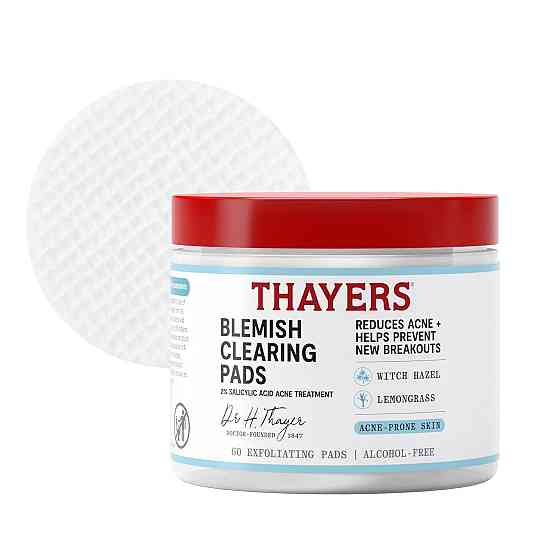
For skin care, simple is usually safer. Many preteens do not need multi-step routines, exfoliating acids, retinoids, strong fragrance, or adult anti-aging products. Their skin barrier can be irritated by over-cleansing, abrasive scrubs, and combinations of active ingredients. A gentle cleanser, non-comedogenic moisturizer, and broad-spectrum sunscreen are often reasonable basics, but persistent acne, painful lesions, scarring, eczema flares, or severe irritation should be discussed with a clinician rather than managed by escalating products at home.
Hair products should be chosen with scalp comfort and allergy history in mind. Itching, burning, scaling, or hair breakage after a new product may represent irritant or allergic contact dermatitis, traction injury, infection, or another condition requiring assessment. Chemical straighteners, dyes, and strong treatments deserve extra caution, especially if the child has asthma, eczema, or prior reactions.
For deodorant, fragrance-free or low-irritant options may be preferable for sensitive skin. Antiperspirants reduce sweating by affecting sweat ducts; deodorants mainly reduce odor. Neither should be framed as a moral requirement, but preteens may appreciate guidance on how much to apply and when to wash it off.
Oral products should match dental recommendations. Fluoride toothpaste is standard for caries prevention, while whitening products can cause sensitivity or gum irritation and are often unnecessary at this age. Orthodontic tools, mouthguards, and flossing aids should be sized correctly and reviewed with a dentist or orthodontist when possible.
Puberty and menstrual products: privacy, fit, and safety
Puberty-related products should be introduced before a child urgently needs them. Waiting until the first period, first underarm odor, first breast tenderness, or first unexpected growth spurt can make the experience feel like a crisis. A quiet drawer, pouch, or bathroom basket can help a preteen access supplies without having to announce every need.
For menstruating preteens, pads, period underwear, tampons, and menstrual cups each have different learning curves. Pads and period underwear are often easier to start with because they do not require insertion. Tampons and cups may be acceptable for some preteens who want them, but they require comfort with anatomy, hand hygiene, correct placement, and timely changing. Toxic shock syndrome is rare but serious; children using internal menstrual products should understand duration limits, fever or sudden illness warnings, and the need to ask for help promptly.
Products should be selected without assumptions about gender expression, sport participation, disability, or family culture. Some preteens need discreet packaging for school; others need adaptive underwear, easier tabs, or visual reminders. Heavy bleeding, severe dysmenorrhea, dizziness, syncope, cycles that disrupt school, or suspected anemia are medical issues, not product-selection problems alone.
For breast development, soft, well-fitting bralettes or sports bras can reduce discomfort and self-consciousness. Fit matters: tight bands, painful straps, or restricted breathing are not acceptable simply because a product is fashionable. A supportive conversation can protect dignity while acknowledging that this category may feel emotionally charged.
Sports, movement, and injury prevention products
Preteens often become more specialized in sports, dance, cycling, skating, martial arts, or fitness activities. The right product can reduce preventable injury; the wrong one can create false confidence. Helmets, mouthguards, shin guards, protective eyewear, athletic shoes, and braces should be chosen for the specific activity and replaced after damage or growth-related poor fit.
Helmets need a snug fit, correct positioning, and an appropriate safety certification for the activity. A bicycle helmet is not automatically suitable for skateboarding or contact sports. Mouthguards are particularly important in collision and contact sports; custom or boil-and-bite options may be discussed with a dentist, especially for children with braces.
Shoes should be judged by fit and function rather than trend. Rapid growth can cause toe crowding, heel pain, altered gait, and overuse discomfort. Persistent pain, limping, swelling, night pain, or pain that changes performance should be evaluated rather than managed by buying inserts repeatedly.
Wearable fitness trackers can motivate movement but can also intensify anxiety, perfectionism, or calorie-focused thinking. For some preteens, step goals and sleep scores are helpful; for others, they become a source of distress. Adults should avoid using devices to monitor weight, calories, or body shape. If a child becomes rigid about exercise, food, or metrics, involve a pediatrician or mental health professional.
School, backpacks, and learning supports
School products should support organization without making the child carry an unreasonable physical or cognitive load. A backpack should fit the torso, have padded shoulder straps, and be worn on both shoulders. Heavy backpacks can contribute to discomfort, although pain is multifactorial and should not be dismissed as merely a bag problem. As a practical guide, regularly removing unnecessary items, using lockers when available, and choosing lightweight supplies can help.
Organization tools should match the preteen’s actual executive function. Some children thrive with planners, color-coded folders, and checklists. Others need fewer compartments, visual cues, or digital reminders. The best system is the one a child can use on a tired Wednesday, not the one that looks most impressive on Sunday night.
For children with attention, learning, sensory, motor, or visual challenges, products may include pencil grips, noise-reducing headphones, visual timers, adaptive scissors, keyboard supports, or seating aids. These should not be used as substitutes for evaluation when academic or functional difficulties are persistent. Teachers, occupational therapists, optometrists, audiologists, psychologists, and pediatric clinicians may help determine what support is appropriate.
Lunch containers and water bottles should be easy to open, clean, and keep hygienic. For children with food allergies, products that reduce cross-contact, such as clearly separated containers, may be useful, but they do not replace school allergy plans, medication access, and adult awareness.
Digital products, privacy, and sleep
Phones, tablets, watches, gaming devices, and headphones are product choices with health and safety implications. The question is not only whether a preteen is responsible enough. It is also whether the adults have the time and clarity to set expectations about sleep, privacy, purchases, location sharing, social media, and online contact.
Preteens need explicit teaching about digital consent: not sharing images of themselves or others, not forwarding private messages, not responding to coercive requests, and seeking help if they encounter sexualized, threatening, or self-harm content. Parental controls may reduce exposure, but they cannot replace relationship-based supervision and open conversation.
Sleep deserves special protection. Blue-light discussions often distract from the larger problem: stimulating content, social interaction, notifications, and bedtime displacement. A household charging location outside the bedroom can be more effective than relying on willpower. Headphones should be used at safe volumes; recurrent tinnitus, ear pain, or hearing concerns warrant professional evaluation.
Digital products can also support adolescent health literacy tools, such as medication reminders, period tracking, symptom logs, or reliable education. However, privacy policies matter. Apps may collect sensitive data, and preteens may not understand how information is stored or shared. Adults should review permissions, advertising, in-app purchases, and whether the product is truly necessary.
Marketing claims, supplements, and body image
Preteens are highly exposed to marketing that blurs wellness, beauty, performance, and popularity. Products may promise clearer skin, faster muscles, better focus, flatter stomachs, thicker hair, or social confidence. A medically literate adult can help by translating claims into questions: What ingredient is doing the work? Was it studied in children? What are the adverse effects? Who profits if we buy this?
Supplements require particular caution. Vitamins, protein powders, energy drinks, herbal products, weight-loss teas, sleep gummies, and “focus” formulations may have variable quality, drug interactions, stimulant exposure, excessive dosing, or contamination. A child with fatigue, poor concentration, hair shedding, delayed puberty concerns, appetite changes, or sleep problems needs evaluation, not a supplement-first approach.
Energy drinks are not equivalent to ordinary beverages. Caffeine and other stimulants can contribute to palpitations, anxiety, sleep disruption, headaches, and gastrointestinal symptoms. Sports drinks are usually unnecessary for routine play and may add sugar; they may have a role in prolonged intense activity, heat, or specific medical advice.
Body image should be part of product selection. Scales, calorie-counting apps, shapewear, muscle-building products, cosmetic tools, and restrictive food products can be harmful in vulnerable children. If a preteen is frequently checking their body, avoiding foods, exercising compulsively, expressing intense dissatisfaction, or losing weight unexpectedly, seek professional support promptly.
A family method for choosing and reviewing products
A calm, repeatable method reduces conflict and helps preteens internalize safety skills. Start by inviting the child to explain what they want and why. Listen for the underlying need: comfort, privacy, odor control, acne management, independence, sport performance, sensory regulation, peer belonging, or curiosity. Then separate negotiable preferences from non-negotiable safety boundaries.
Useful criteria include age appropriateness, ingredient transparency, choking or ingestion risk for younger siblings, allergy history, fit, cleaning requirements, durability, privacy settings, return policy, and whether the product adds pressure around appearance or performance. For families with younger children at home, remember that small accessories, button batteries, magnets, cosmetics, and medications can create hazards outside the preteen’s own use.
Try a review period. For example, “We can try this cleanser for two weeks and stop if burning or rash develops,” or “You may use the smartwatch if it charges outside the bedroom and notifications are off during school.” This teaches monitoring without shame.
Finally, normalize changing course. A product may be safe but not right for a particular child. Sensory discomfort, embarrassment, difficulty opening packaging, menstrual leaks, skin irritation, or digital stress are valid reasons to adjust. The goal is not the perfect purchase; it is a preteen who feels respected, protected, and increasingly capable of making thoughtful decisions.
When to pause and seek advice
- Severe rash, swelling, wheezing, mucosal irritation, or systemic symptoms after a product exposure need urgent medical guidance.
- Heavy menstrual bleeding, fainting, severe pelvic pain, or suspected anemia should be assessed by a healthcare professional.
- Persistent sports pain, limping, head injury symptoms, or repeated injuries should not be managed only by buying new gear.
- Weight-loss products, stimulant supplements, or energy drinks are risky choices for preteens and should be discussed with a clinician.
- Any concern about self-harm content, coercive online contact, disordered eating, or severe body dissatisfaction warrants prompt adult and professional support.
Tools & Assistance
- Keep a family product checklist covering fit, safety standard, ingredients, cleaning, privacy, and return options.
- Ask a pediatrician, dentist, pharmacist, dermatologist, optometrist, or occupational therapist when a product relates to symptoms or function.
- Review recalls and safety notices before buying secondhand gear or electronic products.
- Create a private puberty and hygiene supply area that the preteen can access without embarrassment.
- Set a monthly product review conversation focused on comfort, safety, and whether the item still fits.
FAQ
Should a preteen choose their own personal care products?
They can help choose, but adults should review ingredients, claims, allergy history, and whether the product is appropriate for young skin or developing bodies.
Are adult skin care products safe for preteens?
Not always. Strong exfoliants, retinoids, fragrances, and multiple active ingredients can irritate preteen skin. Persistent acne or dermatitis should be discussed with a clinician.
When is a phone or smartwatch appropriate?
Readiness depends on the child, family supervision, school rules, sleep protection, and privacy settings. The device should come with clear expectations, not just access.
Are supplements useful for preteens who are tired or athletic?
Sometimes a medical or nutritional issue needs evaluation. Supplements can have dosing errors, interactions, stimulants, or contaminants, so discuss them with a healthcare professional first.
How can parents reduce conflict about trendy products?
Acknowledge the social importance, ask what need the product meets, and use a consistent safety framework. Offer acceptable choices rather than a reflexive yes or no.
Sources
- Centers for Disease Control and Prevention — Childhood Safety and Injury Prevention
- American Academy of Pediatrics — Tween and Teen Health
- U.S. Consumer Product Safety Commission — Recalls
- U.S. Food and Drug Administration — Dietary Supplements
Disclaimer
This article is for general educational purposes and does not diagnose, treat, or prescribe. Consult a qualified healthcare professional for symptoms, product reactions, medication or supplement questions, or individualized medical advice.














Please log in to leave a comment.