
Intro
Between ages 13 and 18, activities are not just ways to fill time. They help shape cardiovascular fitness, motor competence, identity, mood regulation, peer relationships, sleep timing, and the gradual move toward safe independence. For many families, the challenge is finding activities that fit a teen’s temperament, school demands, culture, health needs, transportation options, and digital life.
A supportive approach works better than treating activity as another performance metric. Teens benefit when adults offer structure, choice, safety, and respect, while staying alert for signs that stress, injury, disordered eating, bullying, excessive screen use, or mental health symptoms may require professional support.
Highlights
Teen activities should include movement, creativity, social connection, rest, and meaningful responsibility, not only organized sports or academic enrichment.
Most adolescents worldwide are not active enough, and high recreational screen time is linked with lower physical activity and poorer sleep and mental health outcomes.
The best activity plan is individualized: a teen with chronic illness, disability, neurodevelopmental differences, anxiety, or past injury may need adaptations rather than exclusion.
Parents and caregivers can help by reducing barriers, protecting sleep, encouraging safe autonomy, and asking curious questions instead of using shame or pressure.
Why activities matter in adolescence
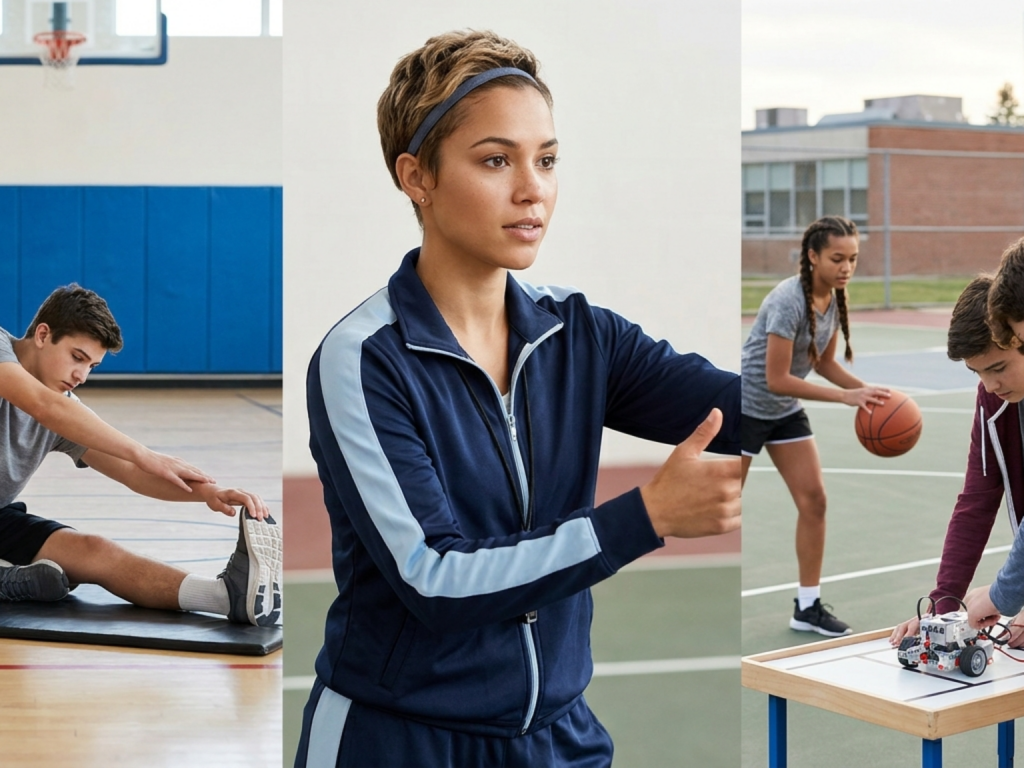
Adolescence is a neurodevelopmental window in which the brain is refining executive functions, reward processing, emotional regulation, and social cognition. Activities give teens repeated practice with planning, delayed gratification, teamwork, frustration tolerance, and self-advocacy. A robotics club, theater rehearsal, part-time job, martial arts class, faith group, or walking routine can all build competence when the teen feels respected and realistically challenged.
Physical activity is especially important because it supports cardiometabolic health, bone mineral accrual, neuromuscular coordination, sleep quality, and mood. Yet current evidence indicates that many adolescents are insufficiently active, and recreational screen time often exceeds two hours per day. This does not mean screens are automatically harmful; digital communication in teens can maintain friendships and provide learning. The concern is displacement: when scrolling, gaming, or streaming crowds out sleep, movement, face-to-face connection, and school responsibilities.
Activities also contribute to adolescent identity formation. Teens often ask, “Who am I outside my family?” Trying different roles is normal. Some will thrive in competitive teams; others prefer solitary art, coding, animal care, hiking, cooking, volunteering, or music production. The goal is not to create an impressive résumé. The goal is to help the young person discover healthy sources of mastery, belonging, and purpose.
Physical activities that fit real teen lives
For ages 13 to 18, the most sustainable movement is usually the kind a teen can repeat without dread. Organized sports can be excellent, but they are not the only route. Options include brisk walking to school, cycling, dance, swimming, climbing, skateboarding with protective gear, recreational basketball, yoga, resistance training with instruction, active video games, hiking, rowing, tennis, martial arts, and family dog-walking. Older adolescents may respond particularly well when neighborhoods and schools make walking, play, and safe transport easier.
Strength training can be appropriate for many teens when technique, supervision, progressive loading, and recovery are emphasized. It should not be framed as a way to “fix” body shape. If a teen has chest pain with exertion, syncope, unexplained shortness of breath, palpitations, concussion symptoms, poorly controlled asthma, an eating disorder concern, or a significant musculoskeletal injury, they should be assessed by a healthcare professional before increasing intensity.
- For a reluctant teen: start with 10 minutes of low-pressure movement, such as walking while listening to music.
- For a socially anxious teen: consider individual activities, small classes, or exercising with one trusted person.
- For a teen with disability or chronic illness: ask clinicians, adaptive recreation programs, or school staff about safe modifications.
- For a competitive athlete: protect rest days, injury reporting, teen athlete nutrition, and emotional balance.
Activity should feel challenging but not punitive. Pain that changes movement mechanics, repeated vomiting during workouts, dizziness, amenorrhea, rapid weight loss, or training through injury are warning signs, not evidence of dedication.
Creative, cognitive, and skill-building activities
Not every valuable teen activity raises the heart rate. Creative and cognitive pursuits help develop attention, language, visuospatial reasoning, fine motor skills, and emotional expression. Examples include music, drawing, digital design, photography, creative writing, chess, debate, coding, woodworking, gardening, cooking, sewing, podcasting, school newspaper, drama, and science clubs. These activities can be particularly protective for teens who do not identify as athletic or who need a quieter way to connect.
Caregivers can support exploration without overprofessionalizing it. A teen can write songs without needing to become a performer, bake without monetizing it, or code without planning a career in technology. When every hobby becomes an achievement track, activities may begin to resemble pressure rather than restoration.
Skill-building also includes practical life competence. Meal planning, budgeting, using public transport, basic car maintenance, scheduling appointments, and learning first aid are meaningful activities for later adolescence. These tasks support late adolescent health autonomy by helping teens practice responsibility while adults remain available as a safety net.
For teens with attention-deficit/hyperactivity disorder, autism spectrum differences, learning disorders, depression, or anxiety, activity selection may need more intentional scaffolding. Shorter sessions, predictable routines, sensory-aware environments, written steps, or a mentor relationship can make participation possible. If avoidance is intense or worsening, it is worth discussing with a clinician or school support team rather than assuming the teen is lazy.
Social activities, belonging, and emotional safety
Peer connection is a central developmental task from 13 to 18. Healthy activities often create structured belonging: a team, choir, gaming club, youth group, volunteer crew, study circle, language class, or community garden. These settings allow teens to practice cooperation, conflict repair, humor, empathy, leadership, and boundaries.
Families can ask open-ended questions: “Who do you feel comfortable with there?” “Do adults treat you respectfully?” “Do you feel pressured to do anything unsafe?” This is more useful than asking only whether the teen is winning, performing, or being popular. High-quality peer relationships are associated with a sense of acceptance, while bullying, humiliation, coercion, hazing, or online harassment can make an activity harmful even if it looks impressive from the outside.
Social development teens experience is often uneven. A 13-year-old may need help arranging transportation and managing disappointment. A 17-year-old may need more privacy, flexible problem-solving, and chances to take leadership. Across the whole age range, caregivers should balance monitoring with trust. Safe teen independence includes knowing where the teen is, how they will get home, who is supervising, and what the emergency plan is, while still allowing age-appropriate autonomy.
Activities should also respect consent and identity. Teens should not be forced into gendered, appearance-focused, or socially exposing settings that intensify distress. If a teen becomes withdrawn, persistently irritable, hopeless, or fearful around an activity, check in calmly and consider professional support.
Balancing screens, homework, sleep, and downtime
Many teens have demanding schedules. Pew Research Center data suggest that teens’ time use has shifted, with more time spent on sleep and homework than in prior years, while leisure time remains heavily influenced by screens. CDC findings link more than four hours of non-school screen use per day with higher likelihood of depression, anxiety, weight concerns, irregular sleep routines, and less frequent physical activity and strength training. These associations do not prove that screens are the only cause, but they are clinically relevant when planning teen routines.
A practical approach is to protect the essentials first: school attendance, adequate sleep opportunity, meals, movement, family responsibilities, and some unstructured rest. Device-free sleep periods can help because adolescent circadian biology already tends toward later sleep onset. If practices, homework, social media, and late-night gaming compress sleep, mood and concentration often deteriorate.
Parents can collaborate with teens on a weekly activity map. Include school hours, commute time, homework, meals, practices, chores, social time, screens, and sleep. Then ask what feels energizing, draining, optional, or non-negotiable. Overscheduling can look like constant fatigue, headaches, abdominal pain, irritability, declining grades, loss of joy, or recurrent minor illnesses. Underscheduling can also be a problem if a teen becomes isolated, sedentary, and disconnected. The healthiest plan usually includes both structure and breathing room.
Safety, inclusion, and when to get help
Teen activities should be developmentally appropriate and physically safe. For sports and outdoor activities, consider hydration, heat illness prevention, helmets, seat belts, reflective clothing, sun protection, concussion protocols, and safe equipment. For gyms, teens need instruction in technique and realistic progression. For online activities, discuss privacy, digital footprints, sexual solicitation, cyberbullying, and what to do if an interaction feels unsafe.
Transportation is a major safety issue for older teens. New drivers need clear rules about passengers, night driving, phones, seat belts, fatigue, and substances. Drowsy driving in teenagers is a serious risk, especially when early school schedules combine with late practices or work shifts. Part-time work can build confidence and responsibility, but excessive hours may interfere with sleep, school, treatment plans, or recovery from injury.
Medical and mental health conditions do not automatically exclude teens from activity. Asthma, diabetes, epilepsy, hypermobility, migraine, depression, anxiety, and many other conditions can often be managed with individualized planning. However, families should ask a pediatrician, adolescent medicine specialist, physical therapist, dietitian, or mental health clinician for guidance when symptoms are uncontrolled, new, or worsening.
Finally, watch the emotional climate. Activities should not require humiliation, secrecy, unsafe weight manipulation, substance use, or ignoring pain. A teen who quits an activity may be communicating exhaustion, mismatch, injury, social distress, or changing interests. Listening first preserves trust and makes problem-solving more effective.
Seek professional guidance promptly if
- A teen has chest pain, fainting, severe shortness of breath, or palpitations during activity.
- There are signs of concussion, heat illness, significant injury, or pain that alters movement.
- Exercise is linked to rapid weight loss, restrictive eating, purging, or intense body distress.
- A teen shows persistent low mood, anxiety, withdrawal, self-harm thoughts, or unsafe risk-taking.
- Bullying, coercion, hazing, exploitation, or online sexual solicitation is suspected.
Tools & Assistance
- Create a weekly activity and sleep map with the teen, then adjust one barrier at a time.
- Ask the school counselor, nurse, coach, or activity leader about inclusive and low-cost options.
- Use local parks, libraries, community centers, adaptive recreation programs, and youth clubs.
- Schedule a pediatric or adolescent medicine visit before major activity changes if health concerns exist.
- Keep emergency contacts, medications, action plans, and transportation plans updated.
FAQ
What if my teen refuses sports?
Sports are optional. Walking, dance, gym classes, active commuting, hiking, martial arts, gardening, and recreational games can all support health if the teen participates consistently and safely.
How much screen time is too much?
There is no single number that fits every teen, but more than four hours daily of non-school screen use has been associated with poorer sleep, mental health concerns, and lower activity. Look at what screens are displacing.
Is strength training safe for teenagers?
Often, yes, when supervised, technique-focused, and progressed gradually. Teens with medical symptoms, injuries, or eating disorder concerns should be assessed by a healthcare professional first.
How many activities should a teen have?
Enough to provide movement, connection, and interest, but not so many that sleep, school, meals, recovery, or mood suffer. The right number varies by teen and season.
When is quitting an activity reasonable?
Quitting may be reasonable when an activity causes persistent distress, injury, unsafe pressure, bullying, or loss of balance. A calm conversation can clarify whether the teen needs a break, a different setting, or support.
Sources
- National Center for Biotechnology Information (NCBI) — Physical activity behaviours in adolescence: current evidence and directions for the future
- Pew Research Center — How teens spend their time is changing, but boys and girls still differ
- Centers for Disease Control and Prevention (CDC) — Associations Between Screen Time Use and Health Outcomes Among US Adolescents
Disclaimer
This article is for general educational purposes and does not diagnose, treat, or replace medical care. Consult a qualified healthcare professional for individualized advice about a teen’s symptoms, activity limits, injuries, or mental health.

















Please log in to leave a comment.